


Farm Contractor & Large Scale Farmer
    Twitter LinkedIn
    • FREE Email Newsletters
    • About Us
    • Advertise
    • Subscribe
    • Contact Us
    Twitter LinkedIn
    Podcast
    Farm Contractor & Large Scale Farmer
    • News
      • Arable & Agronomy
      • Dealership News
      • Environmental Land Management Scheme/Policy
      • Event News
      • Health & Safety
      • Machinery
      • People
      • World News
    • Farm Machinery
      • Amenity & Maintenance
      • Cultivations
      • Drilling
      • Grassland Equipment
      • Harvesting
      • Muck & Slurry
      • Sprayers
      • Telehandlers
      • Tractors
      • Tractor of the Year
      • Tyres & Tracks
      • Whatever happened to?
    • Precision Farming
    • Markets & Policy
    • Profiles
      • National Arable and Grassland Awards
      • Company Profiles
      • Reader Profiles
    • Livestock
      • Beef
      • Dairy
      • Sheep
    • Magazines
      1. December 2025
      2. November 2025
      3. 2025 Agritechnica preview
      4. October 2025 issue
      5. September 2025 issue
      6. August 2025 issue
      7. 2025 Drills and Seeds supplement
      8. July 2025 issue
      9. June 2025 issue
      10. Cereals event guide 2025
      11. May 2025 issue
      12. April 2025 issue
      13. March 2025 issue
      14. 2025 Tyre Developments supplement
      15. February 2025 issue
      16. National Arable and Grassland Awards supplement
      17. January 2025 issue
      18. December 2024 issue
      19. November 2024 issue
      20. October 2024 issue
      21. September 2024 issue
      22. August 2024 Issue
      23. 2024 Drills and Seeds supplement
      24. July 2024 Issue
      25. Cereals Supplement
      26. June 2024 Issue
      27. May 2024 Issue
      28. April 2024 Issue
      29. Tyres and Tracks Supplement
      30. March 2024 Issue
      31. National Arable & Grassland Award – Meet the Finalists
      32. February 2024 Issue
      33. January 2024 Issue
      34. December 2023
      35. Agritechnica Preview Supplement
      36. November 2023
      37. October 2023
      Featured

      December 2025 issue available now

      By Matthew TiltDecember 1, 2025
      Recent

      December 2025 issue available now

      December 1, 2025

      2025 Agritechnica preview supplement available now

      November 2, 2025

      November 2025 issue available now

      November 2, 2025
    • Events
    • Podcast
    Farm Contractor & Large Scale Farmer
    Health & Safety

    Farmland poses the biggest risk to UK pipelines according to new report

    Matthew TiltBy Matthew TiltApril 28, 20223 Mins Read
    Facebook Twitter LinkedIn Email
    Linewatch Infringement Report - Farming

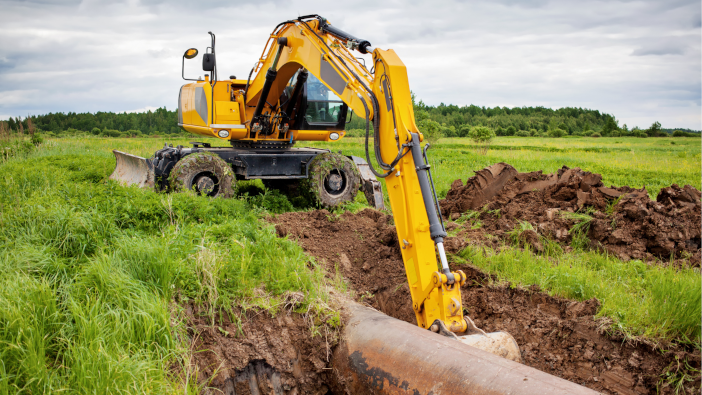
    Linewatch, a leading pipeline safety and awareness group, has released its 2021 Infringement Report in which it reports that incidents where workers were digging too close to high-pressure oil, gas and chemical pipelines on farmland increased by 7% compared to the previous year.

    42% of all incidents occurred on farmland, although Linewatch suggests that this increase is the result of improved reporting, rather than an actual increase in incidents.

    Murray Peat, manager at Linewatch, explained: “It’s encouraging to see data entries from new members in 2021, and from some who have been reluctant to report their incidents in the past. Although it means the overall number of infringements has increased, we know that this wider and more transparent reporting is a good thing for the long-term safety of those involved in digging works.

    “It’s thanks to more of our members promptly reporting any infringement or ‘near-miss’ that we can identify trends and problem areas – the dangerous activities, companies posing the biggest threats and even the geographical ‘hotspots’. Armed with such insights we can then raise awareness, better educate those at risk, and prevent incidents, rather than simply react to them.

    “Agricultural land accounts for more than 70% of the UK, with 75% of all pipelines running beneath it. This puts farmers’ risk of striking a pipeline higher than those working in any other industry. It’s so important that the correct procedures are followed to prevent serious injury. Whilst broader reporting is welcomed, it only reinforces the trend of farmland posing the biggest threat to pipeline safety.”  

    An infringement can be someone simply working near a pipeline without the owner’s awareness or permission, through to a worker actually striking a pipe.

    The report suggests that 30% of infringements occurred despite the operator being aware of the pipeline. Linewatch states that this is troubling because it highlights a casualness in some quarters about the actual danger.

    Mr Peat is concerned by this: “Pipelines can be buried as little as three feet below the surface, which is about the length of a cricket bat. If struck, they can cause serious injuries and fatalities, as well as irreversible environmental damage with commensurate fines. The potential risk cannot be overestimated. This is why the proper process of searching with LSBUD before digging and of course, alerting the pipeline operator, should be followed every time.”

    Landowners and their contractors pose the greatest risk according to the report. Landowners were responsible for 167 infringements, 53% of all reported incidents.

    Fencings was the most common danger activity (25%), followed by excavation for service; work undertaken to install new services such as telecoms, gas and water supply.

    Of all incidents, 11 were deemed as high risk, with six occurring on farmland. This refers to work that had the potential to cause serious damage. This was an increase from the previous year, but with more data gathered this is not surprising. Medium and low-risk incidents also increased on farmland in 2021.

    The first and fourth quarters reported peak activity, which correlates with increased season work such as ditching and fencing, as well as the end of the tax year, where organisations use up their remaining budgets.

    Mr Peat concluded: “With a significant increase in digging taking place post-pandemic, and no signs of this slowing down as the Government seeks to kick start the UK economy through significant investment in large scale infrastructure, it is more important than ever that the correct digging procedures are followed.”

    Tweet
    Share
    Share
    Pin
    Share. Facebook Twitter LinkedIn Email
    Previous ArticleCereals seminars to help farmers approach key challenges
    Next Article AHDB encourages growers to complete planting and variety survey
    Matthew Tilt
    • Twitter
    • LinkedIn

    Machinery editor for Farm Contractor & Large Scale Farmer. Matt has worked as an agricultural machinery journalist for five years, following time spent in his family’s Worcestershire contracting business. When he’s not driving or writing about the latest farm equipment, he can be found in his local cinema, or with his headphones in, reading a good book.

    Read Similar Stories

    NAAC responds to 2025 safety statistics with new visuals

    October 10, 2025

    New app provides quick and easy staff training

    September 15, 2025

    Growers urged to check stacking limits for straw as demand grows

    August 26, 2025
    Most Read Stories

    Tramspread built on contracting experience

    December 8, 2025

    World’s most northernly commercial olive grove completes first harvest

    December 8, 2025

    Soil first strategy underpins OSR success 

    December 8, 2025
    Farm Contractor & Large Scale Farmer

    The UK's leading agricultural machinery journal

    Twitter LinkedIn
    © 2024 MA Agriculture Ltd, a Mark Allen Group company

    Privacy Policy | Cookies Policy | Terms & Conditions

    • Farmers Weekly
    • AA Farmer
    • Poultry News
    • Pig World

    Type above and press Enter to search. Press Esc to cancel.