


Farm Contractor & Large Scale Farmer
    Twitter LinkedIn
    • FREE Email Newsletters
    • About Us
    • Advertise
    • Subscribe
    • Contact Us
    Twitter LinkedIn
    Podcast
    Farm Contractor & Large Scale Farmer
    • News
      • Arable & Agronomy
      • Dealership News
      • Environmental Land Management Scheme/Policy
      • Event News
      • Health & Safety
      • Machinery
      • People
      • World News
    • Farm Machinery
      • Amenity & Maintenance
      • Cultivations
      • Drilling
      • Grassland Equipment
      • Harvesting
      • Muck & Slurry
      • Sprayers
      • Telehandlers
      • Tractors
      • Tractor of the Year
      • Tyres & Tracks
      • Whatever happened to?
    • Precision Farming
    • Markets & Policy
    • Profiles
      • National Arable and Grassland Awards
      • Company Profiles
      • Reader Profiles
    • Livestock
      • Beef
      • Dairy
      • Sheep
    • Magazines
      1. July 2026
      2. June 2026
      3. May 2026
      4. April 2026
      5. March 2026
      6. 2026 Tyre Developments supplement
      7. February 2026
      8. January 2026
      9. December 2025
      10. November 2025
      11. 2025 Agritechnica preview
      12. October 2025 issue
      13. September 2025 issue
      14. August 2025 issue
      15. 2025 Drills and Seeds supplement
      16. July 2025 issue
      17. June 2025 issue
      18. Cereals event guide 2025
      19. May 2025 issue
      20. April 2025 issue
      21. March 2025 issue
      22. 2025 Tyre Developments supplement
      23. February 2025 issue
      24. National Arable and Grassland Awards supplement
      25. January 2025 issue
      26. December 2024 issue
      27. November 2024 issue
      28. October 2024 issue
      29. September 2024 issue
      30. August 2024 Issue
      31. 2024 Drills and Seeds supplement
      32. July 2024 Issue
      33. Cereals Supplement
      34. June 2024 Issue
      35. May 2024 Issue
      36. April 2024 Issue
      37. Tyres and Tracks Supplement
      38. March 2024 Issue
      39. National Arable & Grassland Award – Meet the Finalists
      40. February 2024 Issue
      41. January 2024 Issue
      42. December 2023
      43. Agritechnica Preview Supplement
      44. November 2023
      45. October 2023
      Featured

      July 2026 issue available now

      By Matthew TiltJuly 1, 2026
      Recent

      July 2026 issue available now

      July 1, 2026

      June 2026 issue available now

      June 1, 2026

      May 2026 issue available now

      May 1, 2026
    • Events
    • Podcast
    Farm Contractor & Large Scale Farmer
    Health & Safety

    Hutchinsons agronomist gives tips on sprayer setup

    Matthew TiltBy Matthew TiltFebruary 26, 20253 Mins Read
    Facebook Twitter LinkedIn Email

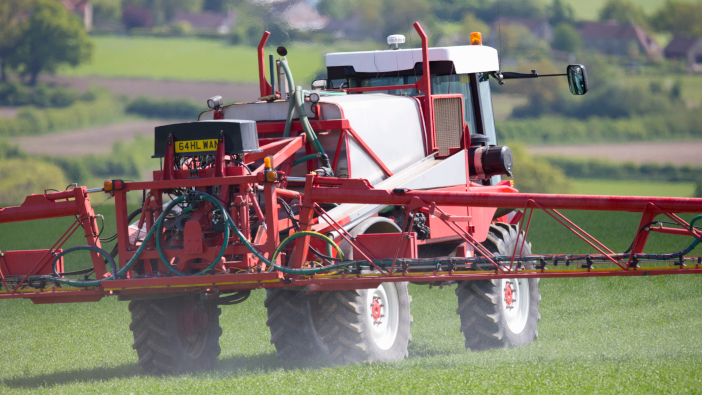
    George Baxter, agronomist at Hutchinsons, has provided steps to help growers setup their sprayers ahead of spring applications.

    Do a visual inspection

    He says that a visual inspection of all components, for both cleanliness and condition, should be the first step.

    “The whole machine has to be fit for purpose, so look at everything from the hitching and steering points on a trailed or mounted sprayer, to the tank, filters, hoses, and electrics. Perishable rubber components, such as Drip Control Valves, and water ingress into electrical solenoid valves can be a particular problems areas to watch.”

    It’s also important to check PTO guards, beacons, work lights and tyres, and the boom should be unfolded so that the condition of the joints, hydraulic rams, and pivots can be examined.

    Check tyre pressures

    Running at the correct tyre pressures will aid with boom stability and minimise ground compaction, George adds.

    “Although many sprayers have self-levelling systems, these can be put under greater strain if tyre pressures are uneven. Don’t forget to also check the tractor tyre pressures if you are using a mounted sprayer.

    “The optimum pressure depends on several factors, such as tyre type and size, machine weight, and the amount of field and roadwork to be done, so a compromise may be needed. Refer to tyre manufacturer recommendations or speak to a representative about optimum pressures.”

    George Baxter
    Ensure that tanks are empty and clean

    While the sprayer should have been cleaned after the previous season, there’s no harm in washing out the machine with clean water as this enables growers to check for leaks.

    Some products also require a specific cleaner, and these will be worth it, especially if there is concern about potential sulfonylurea residues on sensitive crops.

    “Remember, all washings must be disposed of correctly, which can be quite complex in the absence of a designated washdown area and biobed system, so seek advice or speak to your agronomist if you are in any doubt.”

    When checking for leaks, the sprayer should be run at 5bar and if no leaks are seen, the machine should be pressurised up to operational conditions to check readings.

    Test the nozzles

    He adds that it’s important to check nozzles for damage and ensure that they are within the tolerance for the desired application rates.

    “Take this opportunity to evaluate whether current nozzles are delivering the coverage you need to get the most from products. Recent years have seen an industry trend towards lower water volumes to improve work rates, but there is a risk this could be compromising coverage and efficacy in some situations.

    “Again, it’s a complex area, so discuss the options for nozzle choice and water volume with your agronomist.”

    Check PPE and first aid

    It’s vital that operators have access to the correct PPE and a full first aid kit, with eyewash. This should include a face mask, gloves and overalls at a minimum.

    “Also consider things like a spill kit, fire extinguisher, signage, and an action plan/emergency contact numbers in the event of an accident,” he says.

    “Taking a bit of time to make sure everything is in good working order before the season gets going can help to reduce the risks of downtime once things get busy. With relatively narrow windows to apply products at the optimum stage, anything we can do to avoid lost time and keep sprayers working properly has to be worthwhile.”

    Tweet
    Share
    Share
    Pin
    Share. Facebook Twitter LinkedIn Email
    Previous ArticleGrowers reminded of urea restrictions
    Next Article McArthur BDC announces strategic partnership
    Matthew Tilt
    • Twitter
    • LinkedIn

    Machinery editor for Farm Contractor & Large Scale Farmer. Matt has worked as an agricultural machinery journalist for five years, following time spent in his family’s Worcestershire contracting business. When he’s not driving or writing about the latest farm equipment, he can be found in his local cinema, or with his headphones in, reading a good book.

    Read Similar Stories

    McArthur BDC helps Scottish farm streamline feed processing

    July 22, 2026

    Merlo continues to boost customer and dealer support through on-site training

    July 22, 2026

    Amazone updates ZG-TX combi spreader range

    July 22, 2026
    Most Read Stories

    McArthur BDC helps Scottish farm streamline feed processing

    July 22, 2026

    Merlo continues to boost customer and dealer support through on-site training

    July 22, 2026

    Amazone updates ZG-TX combi spreader range

    July 22, 2026
    Farm Contractor & Large Scale Farmer

    The UK's leading agricultural machinery journal

    Twitter LinkedIn
    © 2024 MA Agriculture Ltd, a Mark Allen Group company

    Privacy Policy | Cookies Policy | Terms & Conditions

    • Farmers Weekly
    • AA Farmer
    • Poultry News
    • Pig World

    Type above and press Enter to search. Press Esc to cancel.