

Farm Contractor & Large Scale Farmer
    Twitter LinkedIn
    • FREE Email Newsletters
    • About Us
    • Advertise
    • Subscribe
    • Contact Us
    Twitter LinkedIn
    Podcast
    Farm Contractor & Large Scale Farmer
    • News
      • Arable & Agronomy
      • Dealership News
      • Environmental Land Management Scheme/Policy
      • Event News
      • Health & Safety
      • Machinery
      • People
      • World News
    • Farm Machinery
      • Amenity & Maintenance
      • Cultivations
      • Drilling
      • Grassland Equipment
      • Harvesting
      • Muck & Slurry
      • Sprayers
      • Telehandlers
      • Tractors
      • Tractor of the Year
      • Tyres & Tracks
      • Whatever happened to?
    • Precision Farming
    • Markets & Policy
    • Profiles
      • National Arable and Grassland Awards
      • Company Profiles
      • Reader Profiles
    • Livestock
      • Beef
      • Dairy
      • Sheep
    • Magazines
      1. June 2026
      2. May 2026
      3. April 2026
      4. March 2026
      5. 2026 Tyre Developments supplement
      6. February 2026
      7. January 2026
      8. December 2025
      9. November 2025
      10. 2025 Agritechnica preview
      11. October 2025 issue
      12. September 2025 issue
      13. August 2025 issue
      14. 2025 Drills and Seeds supplement
      15. July 2025 issue
      16. June 2025 issue
      17. Cereals event guide 2025
      18. May 2025 issue
      19. April 2025 issue
      20. March 2025 issue
      21. 2025 Tyre Developments supplement
      22. February 2025 issue
      23. National Arable and Grassland Awards supplement
      24. January 2025 issue
      25. December 2024 issue
      26. November 2024 issue
      27. October 2024 issue
      28. September 2024 issue
      29. August 2024 Issue
      30. 2024 Drills and Seeds supplement
      31. July 2024 Issue
      32. Cereals Supplement
      33. June 2024 Issue
      34. May 2024 Issue
      35. April 2024 Issue
      36. Tyres and Tracks Supplement
      37. March 2024 Issue
      38. National Arable & Grassland Award – Meet the Finalists
      39. February 2024 Issue
      40. January 2024 Issue
      41. December 2023
      42. Agritechnica Preview Supplement
      43. November 2023
      44. October 2023
      Featured

      June 2026 issue available now

      By Matthew TiltJune 1, 2026
      Recent

      June 2026 issue available now

      June 1, 2026

      May 2026 issue available now

      May 1, 2026

      April 2026 issue available now

      April 1, 2026
    • Events
    • Podcast
    Farm Contractor & Large Scale Farmer
    Beef

    Lumpy skin disease: vaccination leads to fall in outbreaks

    John SwireBy John SwireFebruary 19, 20182 Mins Read
    Facebook Twitter LinkedIn Email

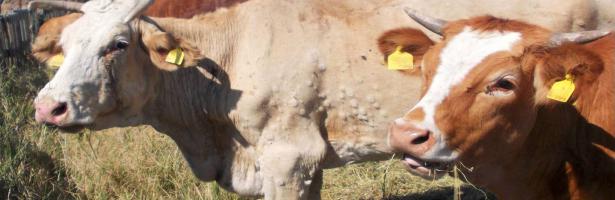
    Outbreaks of lumpy skin disease (LSD) in the Balkan region fell dramatically by 95% from 7,483 in 2016 to 385 in 2017. The figures confirm that vaccination of cattle – recommended by EFSA in 2016 – is the most effective way to contain the disease.

    A report published today by EFSA gives an update on the occurrence of LSD and the effectiveness of vaccination. It also analyses the risk factors for its spread in south-eastern Europe. The report is based on data collected by affected countries and those at risk.

    However, Alessandro Broglia, a veterinarian at EFSA, warned: “Even if the number of outbreaks has decreased significantly, the disease has not been eliminated from the region yet and therefore we need to remain vigilant.”
    In 2017 most of the outbreaks – 379 – were reported in areas of Albania where the vaccination programme had not yet been completed. Few outbreaks occurred elsewhere, with two in Greece and four in the former Yugoslav Republic of Macedonia.

    One of the factors responsible for the spread of LSD is an increase in the number of insects that transmit the disease, as a result of warm temperatures.

    Experts also concluded that in Greece the risk of infection is six times higher among farmed animals that have access to outdoor space than in those kept indoors. This is because the former group is more exposed to transmitting insects.

    Tweet
    Share
    Share
    Pin
    Share. Facebook Twitter LinkedIn Email
    Previous ArticleFurther evidence continues to indicate potential ‘cliff edge’ labour shortage facing dairy farms
    Next Article Critical role of vets recognised in new report on post Brexit trade in food
    John Swire

    Read Similar Stories

    June 2026 issue available now

    June 1, 2026

    May 2026 issue available now

    May 1, 2026

    First cut silage likely to face quality challenges

    April 8, 2026
    Most Read Stories

    Carter Jonas urges growers to be prepared for SFI

    June 2, 2026

    Opico adds spot sprayers to product portfolio

    June 1, 2026

    Dammann enters insolvency

    June 1, 2026
    Farm Contractor & Large Scale Farmer

    The UK's leading agricultural machinery journal

    Twitter LinkedIn
    © 2024 MA Agriculture Ltd, a Mark Allen Group company

    Privacy Policy | Cookies Policy | Terms & Conditions

    • Farmers Weekly
    • AA Farmer
    • Poultry News
    • Pig World

    Type above and press Enter to search. Press Esc to cancel.