

Farm Contractor & Large Scale Farmer
    Twitter LinkedIn
    • FREE Email Newsletters
    • About Us
    • Advertise
    • Subscribe
    • Contact Us
    Twitter LinkedIn
    Podcast
    Farm Contractor & Large Scale Farmer
    • News
      • Arable & Agronomy
      • Dealership News
      • Environmental Land Management Scheme/Policy
      • Event News
      • Health & Safety
      • Machinery
      • People
      • World News
    • Farm Machinery
      • Amenity & Maintenance
      • Cultivations
      • Drilling
      • Grassland Equipment
      • Harvesting
      • Muck & Slurry
      • Sprayers
      • Telehandlers
      • Tractors
      • Tractor of the Year
      • Tyres & Tracks
      • Whatever happened to?
    • Precision Farming
    • Markets & Policy
    • Profiles
      • National Arable and Grassland Awards
      • Company Profiles
      • Reader Profiles
    • Livestock
      • Beef
      • Dairy
      • Sheep
    • Magazines
      1. October 2026
      2. September 2026
      3. August 2026
      4. 2026 Drills and Seeds supplement
      5. July 2026
      6. June 2026
      7. May 2026
      8. April 2026
      9. March 2026
      10. 2026 Tyre Developments supplement
      11. February 2026
      12. January 2026
      13. December 2025
      14. November 2025
      15. 2025 Agritechnica preview
      16. October 2025 issue
      17. September 2025 issue
      18. August 2025 issue
      19. 2025 Drills and Seeds supplement
      20. July 2025 issue
      21. June 2025 issue
      22. Cereals event guide 2025
      23. May 2025 issue
      24. April 2025 issue
      25. March 2025 issue
      26. 2025 Tyre Developments supplement
      27. February 2025 issue
      28. National Arable and Grassland Awards supplement
      29. January 2025 issue
      30. December 2024 issue
      31. November 2024 issue
      32. October 2024 issue
      33. September 2024 issue
      34. August 2024 Issue
      35. 2024 Drills and Seeds supplement
      36. July 2024 Issue
      37. Cereals Supplement
      38. June 2024 Issue
      39. May 2024 Issue
      40. April 2024 Issue
      41. Tyres and Tracks Supplement
      42. March 2024 Issue
      43. National Arable & Grassland Award – Meet the Finalists
      44. February 2024 Issue
      45. January 2024 Issue
      46. December 2023
      47. Agritechnica Preview Supplement
      48. November 2023
      49. October 2023
      Featured

      October 2026 issue available now

      By Matthew TiltOctober 1, 2026
      Recent

      October 2026 issue available now

      October 1, 2026

      September 2026 issue available now

      September 1, 2026

      August 2026 issue available now

      August 2, 2026
    • Events
    • Podcast
    Farm Contractor & Large Scale Farmer
    Dairy

    New bacteria combination boosts stability and increases flexibility of clamp opening

    John SwireBy John SwireJune 28, 20193 Mins Read
    Facebook Twitter LinkedIn Email

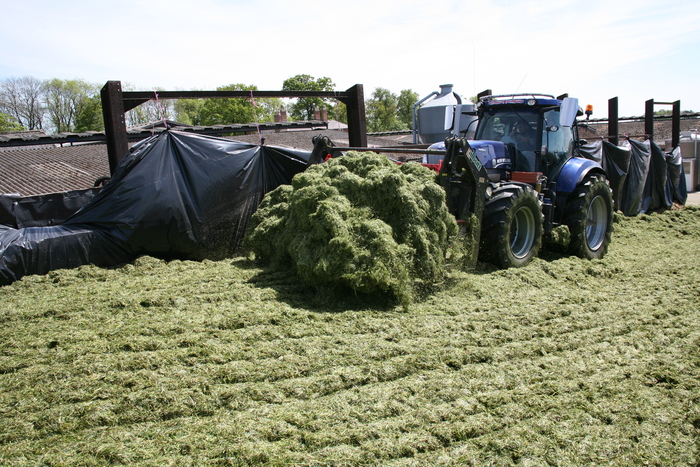
    A new range of forage inoculants featuring the first totally new bacterial strain approved for over 20 years will help significantly increase aerobic stability in clamps to reduce heating, while giving greater flexibility over when clamps can be opened according to forage specialists Lallemand Animal Nutrition.

    The Magniva Platinum range from Lallemand Animal Nutrition replaces the Biotal range of inoculants in the UK and Ireland.  They still contain L. buchneri40788 the most widely proven bacteria for improved aerobic stability, but also include L.hilgardiiI-4785, the first new bacterial strain approved for use in forage inoculants for over 20 years.

    The Magniva Platinum range includes five crop and condition specific inoculants for lower dry matter grass, high dry matter grass, wholecrop and two maize products.

    “Heating and waste in clamps is a major issue, with an estimated 15% of all clamps of conserved forage being wasted rather than fed, leading to lost energy, reduced feed values and higher feed costs,” explains Roy Eastlake, Lallemand Animal Nutrition’s Technical Support Manager.  “Increasingly, farmers also need to open clamps quickly, particularly with maize and wholecrop but opening too soon can lead to further significant waste.

    “To help farmers tackle this challenge Lallemand set out to find a bacteria more effective at tackling the causes of heating and so help farmers take control of silage quality.”

    The new bacterial combination has been independently proven to help reduce the extent and consequences of waste while also giving greater flexibility over clamp opening.

    “Following 10 years extensive R&D, the patented strain L. hilgardiiI-4785 has been registered for use in silage inoculants in combination with L. buchneri40788, which is already the most widely proven strain for aerobic stability.

    “L. buchnerihas long been the gold standard for producing aerobically stable silage, but can take up to 60 days to have an effect. L.hilgardiion the other hand is active much earlier.  Together they complement each other to deliver a more effective fermentation much sooner, and the impact of the combination greatly exceeds the two strains in isolation.”

    Heating in silage is a direct consequence of the actions of yeasts and moulds which are present on all silage but remain largely inactive until they are exposed to oxygen. In aerobic conditions they use the sugars and lactic acid in the silage as a fuel source.  In doing this, they produce heat.

    The Magniva bacterial combination produces a number of antifungal compounds during the fermentation which significantly reduce the populations of both yeasts and moulds so reducing the threat of heating. Silages treated with the new combination took longer to heat up and didn’t heat up to such a high temperature, preserving feed value. They also remained more stable for longer.

    Keeping silage cool means there is more energy to feed. Mr Eastlake says the benefit of reduced heating can be over 7500 more litres produced per 1000 tonnes of silage.

    “The new combination is supplemented with homofermentative strains and enzymes as required to meet the specific challenges of different crops and harvesting conditions and help farmers take control of silage quality.”


    Tweet
    Share
    Share
    Pin
    Share. Facebook Twitter LinkedIn Email
    Previous ArticleUrgent action needed to support British beef sector, says NFU
    Next Article Parlour Safe accreditation status recognised by leading professional body
    John Swire

    Read Similar Stories

    October 2026 issue available now

    October 1, 2026

    Warning as bluetongue cases increase in Wales

    September 1, 2026

    September 2026 issue available now

    September 1, 2026
    Most Read Stories

    Alpego claims reduced establishment costs with Inversa

    October 5, 2026

    Agroma UK adds three new models

    October 5, 2026

    Joskin adds new Leboulch bale trailer to product range

    October 5, 2026
    Farm Contractor & Large Scale Farmer

    The UK's leading agricultural machinery journal

    Twitter LinkedIn
    © 2024 MA Agriculture Ltd, a Mark Allen Group company

    Privacy Policy | Cookies Policy | Terms & Conditions

    • Farmers Weekly
    • AA Farmer
    • Poultry News
    • Pig World

    Type above and press Enter to search. Press Esc to cancel.