

Farm Contractor & Large Scale Farmer
    Twitter LinkedIn
    • FREE Email Newsletters
    • About Us
    • Advertise
    • Subscribe
    • Contact Us
    Twitter LinkedIn
    Podcast
    Farm Contractor & Large Scale Farmer
    • News
      • Arable & Agronomy
      • Dealership News
      • Environmental Land Management Scheme/Policy
      • Event News
      • Health & Safety
      • Machinery
      • People
      • World News
    • Farm Machinery
      • Amenity & Maintenance
      • Cultivations
      • Drilling
      • Grassland Equipment
      • Harvesting
      • Muck & Slurry
      • Sprayers
      • Telehandlers
      • Tractors
      • Tractor of the Year
      • Tyres & Tracks
      • Whatever happened to?
    • Precision Farming
    • Markets & Policy
    • Profiles
      • National Arable and Grassland Awards
      • Company Profiles
      • Reader Profiles
    • Livestock
      • Beef
      • Dairy
      • Sheep
    • Magazines
      1. March 2026
      2. 2026 Tyre Developments supplement
      3. February 2026
      4. January 2026
      5. December 2025
      6. November 2025
      7. 2025 Agritechnica preview
      8. October 2025 issue
      9. September 2025 issue
      10. August 2025 issue
      11. 2025 Drills and Seeds supplement
      12. July 2025 issue
      13. June 2025 issue
      14. Cereals event guide 2025
      15. May 2025 issue
      16. April 2025 issue
      17. March 2025 issue
      18. 2025 Tyre Developments supplement
      19. February 2025 issue
      20. National Arable and Grassland Awards supplement
      21. January 2025 issue
      22. December 2024 issue
      23. November 2024 issue
      24. October 2024 issue
      25. September 2024 issue
      26. August 2024 Issue
      27. 2024 Drills and Seeds supplement
      28. July 2024 Issue
      29. Cereals Supplement
      30. June 2024 Issue
      31. May 2024 Issue
      32. April 2024 Issue
      33. Tyres and Tracks Supplement
      34. March 2024 Issue
      35. National Arable & Grassland Award – Meet the Finalists
      36. February 2024 Issue
      37. January 2024 Issue
      38. December 2023
      39. Agritechnica Preview Supplement
      40. November 2023
      41. October 2023
      Featured

      March 2026 issue available now

      By Matthew TiltMarch 2, 2026
      Recent

      March 2026 issue available now

      March 2, 2026

      2026 Tyre Developments supplement available now

      March 2, 2026

      February 2026 issue available now

      February 1, 2026
    • Events
    • Podcast
    Farm Contractor & Large Scale Farmer
    Livestock

    Vet warns over low nutritional value of Autumn grass

    iainhoeyBy iainhoeySeptember 4, 20202 Mins Read
    Facebook Twitter LinkedIn Email

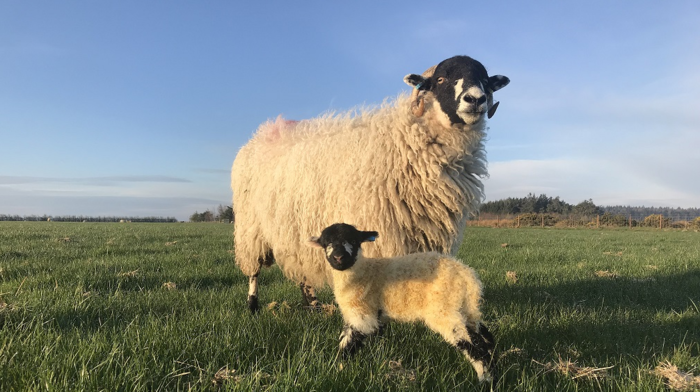
    Veterinary Dr Elizabeth Berry has warned farmers of the risk farmers take by allowing their suckler cows, calves and ewes to graze on Autumn grass, which may have deceptively low nutritional value even when plentiful.

    She explained that sparse grazing and poor quality could have a serious impact on fertility, growth rates, and post-weaning recovery, citing human intuition as a big factor when it comes to misjudging the nutritional value of their pasture.

    “Even if it’s plentiful and supplying all the energy and protein needed, most grazing in this country is deficient in one or more trace elements. Their essential roles in metabolic processes mean that shortages will limit all ruminants’ ability to utilise nutrients in grazed grass fully. In most places, the deficient trace elements are cobalt, iodine and selenium,” Dr Berry explained.

    Cobalt is needed by rumen bugs for producing vitamin B12, an essential component in energy metabolism and producing red blood cells. Iodine regulates metabolism and conversion of food into energy, while selenium is needed for enzyme synthesis and plays a crucial part in immune function and fertility.

    Dr Berry says that whilst most farmers will have had bad experiences with copper deficiency, it is understandable if shortages of the other three go unnoticed if those looking after cattle or sheep get used to a certain level of performance as the norm.

    “Perhaps it’s become acceptable to get 75 calves per 100 cows each year, a calf taking 18 months from birth to 450kg liveweight, or 1.5 lambs per ewe,” she suggested. “However, each of these is only modest performance.

    “Financially, the difference between these figures and 90 calves, 14 months or 180% is massive. On some farms, addressing unseen trace element deficiencies with the Tracesure range of boluses can make the difference.”


    Tweet
    Share
    Share
    Pin
    Share. Facebook Twitter LinkedIn Email
    Previous ArticleManaging worms pre-tupping could help optimise sheep fertility
    Next Article The best prospect for quality maize
    iainhoey

    Read Similar Stories

    March 2026 issue available now

    March 2, 2026

    2026 Tyre Developments supplement available now

    March 2, 2026

    Kuhn adds compact Primor bedding and feeding unit

    February 25, 2026
    Most Read Stories

    ‘Just for fun’ diversification pays dividends

    March 17, 2026

    Getting ready to forage

    March 16, 2026

    Safety app updates mitigate audit burden

    March 16, 2026
    Farm Contractor & Large Scale Farmer

    The UK's leading agricultural machinery journal

    Twitter LinkedIn
    © 2024 MA Agriculture Ltd, a Mark Allen Group company

    Privacy Policy | Cookies Policy | Terms & Conditions

    • Farmers Weekly
    • AA Farmer
    • Poultry News
    • Pig World

    Type above and press Enter to search. Press Esc to cancel.