



Musculoskeletal disorders (MSDs) can be a significant risk for farmers and contractors. The most recent annual statistics show that MSDs were responsible for around half of all work-related ill health in agriculture, forestry and fishing, higher than in any other industry.
It reportedly affects one in four of the adult population and workers who lift, carry, bend, crouch or sit for long periods in one position may be at risk. This places a burden not only on worker health but also business finances but farmers can take a proactive approach to prevent this, including choosing supportive, high quality footwear.
Simon Ash, UK sales manager for footwear manufacturer HAIX, explained how selecting the right safety footwear can reduce the risk.
If your footwear does not do the above, give it the boot
Having access to the right footwear for the job is the most critical factor in foot protection. Research has shown that at least 50% of workers are exposed to the risk of musculoskeletal disorders due to spending prolonged hours standing at work. The correct footwear supports the entire body and reduces the risk of injury.
Safety footwear should support the foot, ankle, and lower limbs. This is achievable by choosing footwear designed with superior cushioning technology and constructed from smarter materials. Modern materials used in the interior lining of boots can help prevent blisters and soft-tissue injury by reducing friction and pressure.
Discomfort, whether from ill-fitting footwear or from friction injuries such as blisters, can lead to changes in natural body posture while standing or walking. When suffering such injuries, we may tend to ‘favour’ weight-bearing on a non-injured foot (limping, for example), or standing in an unnatural position to avoid pain or discomfort.
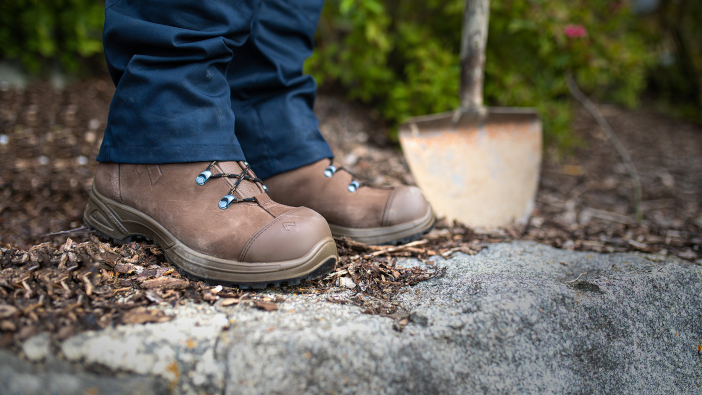
This can lead to strain or injury in turn, or if left uncorrected longer term can potentially lead to more serious musculoskeletal disorders. It is important to invest in boots with a climatic control system that regulates temperatures within the boot because damp feet are more likely to experience friction injuries. If your footwear does not do the above, give it the boot.
You can also check to see if your boots meet international safety standards. The EN ISO 20345 standard, for example, includes features to protect against thermal and mechanical hazards. As well as meeting all the required product standards, key boot features should always include: slip resistance, a lightweight toecap, heel grips, and shock absorption. Another benefit is adjustable, easy-to-use lacing because it makes putting boots on and taking them off faster and easier, so wearers aren’t at risk of potential injury or wasted time struggling to get boots on or off.
A key feature to look for when buying work boots is that they actively work to correct foot posture, which can help reduce lower body and back pain by aligning the spine properly. Doing so will reduce musculoskeletal disorders and provide superior long-term comfort.
We think about what time of the day we should eat, sleep and wake, but have you ever thought about the best time to try on footwear? It matters.
The shape of the foot fluctuates throughout the day. Ideally, boots should be tried on in the afternoon to get an accurate size, ensuring comfort throughout the working day. You may also see the most significant changes to your foot’s shape when sitting versus standing, so when trying on your boots it is best to emulate your movements at work; whether that means sitting, bending, standing, or crouching.
Over your lifetime, try to ensure that your feet are measured when buying new shoes. As we age, our feet naturally change shape and even size. You will also need to have both feet measured, and if one foot is bigger, choose the larger size.
Why it is time to say goodbye to the ‘one size fits all’ approach to footwear.
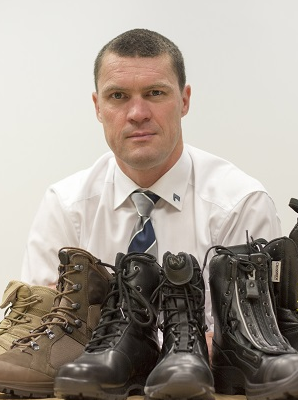
The concept of ‘one size fits all’ does not strictly apply to work boots, which are manufactured in standardised sizes. The impact safety features have on overall comfort and fit mean that for safety footwear especially, sizing is less than an exact science. Not every work boot will fit you properly, even if the ‘off the shelf’ sizing is your usual size because your anatomy is unique. Choosing the wrong boot can lead to long-term health effects and the potential for injury.
Adaptability to suit individual foot shape is an important step in footwear design. One method for introducing this is to include a variety of easily changeable insole options to better fit different foot shapes, from wide to narrow. The HAIX Vario fit system is an excellent example of how to improve wearer comfort and boot fit using this approach.
Ultimately, musculoskeletal injuries are a major problem in the workplace. When selecting safety footwear take it seriously, and consider both the long term benefits and potential impacts incorrect choices can have.
For more information go to www.haix.co.uk