
The MeritAgCheck app has undergone multiple updates since launching in 2020, including the ability to track fuel, manage parts and create digital timesheets. According to director, Jon Stewart, there is customer demand for a single application that can replace multiple digital solutions on farm.
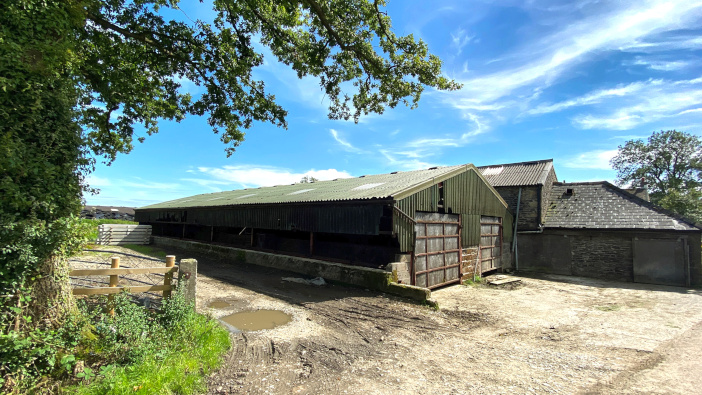
The core of the product, however, is the safety checklists, and the company has partnered with Red Tractor to offer approved audit checklists for the farm buildings module. The new checklists can be selected and customised within the module, with users able to adjust the frequency of checks to fit both the use case and any specific requirements.
“It’s designed to make the whole process easier for farms,” Jon explains. “Every time a check is completed, it is stored in the farm’s profile with a date and timestamps, meaning you very quickly start to build a full audit trail that can be used as evidence at inspections.”
Geolocation recorded
Every time a checklist is completed, the geolocation of the user is recorded, along with the date, time and user signature. This means the owner can see where checks were made. In the case of vermin control, it will not be a concern to see that checks have taken place away from the location of the building, but it may highlight the need for conversations on farm if general building checks are completed away from the site.
“It could be a simple thing like the operator completed the checks out of habit and forgot to submit it on time, but the app enables mistakes like this to be caught quickly and conversations to be had about health and safety, and maintenance on farm,” Jon says.
Reports from the MeritAgCheck dashboard can be uploaded to the new Red Tractor portal as well, streamlining the process for users. To make it easier to keep up to date with guidelines, Red Tractor standards can be assigned to buildings, in the form of either a PDF file that is uploaded by the user, or a hyperlink to the website.
Built for all
The customisation has always been key to the MeritAgCheck system. Each checklist is built to meet health and safety standards, with a consultant behind the development of each addition to the app, Jon says the company recognises the variation across farming businesses.
“There are buildings on farm that will only be used for part of the year – for example, grain handling set-ups. Through the user dashboard, users can adjust the frequency of checks to suit their circumstances, so these might be done daily when the building is in frequent use, and then weekly or monthly outside of the peak season to keep on top of general maintenance. This customisation also enables them to manage future investment, like adding a new process to their grain handling.”
Non-Red Tractor checklists are still available and can be matched to the business’ requirements. Jon explains that some farms have added rental and commercial properties to the app. It’s also possible to input dates for vital checks, including gas and electric safety checks, and even water meter checks, with the option to upload certification from these, and set reminders.
Crossover functionality
The updated functionality on the buildings module has, where relevant, been moved to the machinery section. This has undergone constant developments since launch, with machine checklists added and greater demand from the customer base to include machinery for niche, diversified cropping.
One of the functions moved across is the ability to upload user manuals and parts lists, or link to a manufacturer’s website. This means that as issues are found, operators can access these documents to find a fix that can be completed in the yard, a part that needs to be ordered, or call the dealer with the exact issue in most cases.
Reminders for servicing have been present since the start, but together with the timesheet modules and fuel monitoring, it build a more complete picture. “The checklists include either hours or mileage checks, depending on whether it is an on-road or off-road machine,” Jon says. “Combined with the machinery-linked timesheets, the system is now more accurate at providing reminders for servicing. These checks include those for statutory organisations such as LOLER.”
On-farm risk assessments can be uploaded, including bespoke safe working practices for each machine as required, and licensing details can be added for operators, ensuring they are approved to drive certain kit on farm.
“Our commitment is to improve health and safety, and helping farms to save time and money while making life easy for operators,” Jon says. “We continuously look at our offering and what customers need to ensure we meet those requirements.”