



Farm Contractor & Large Scale Farmer
    Twitter LinkedIn
    • FREE Email Newsletters
    • About Us
    • Advertise
    • Subscribe
    • Contact Us
    Twitter LinkedIn
    Podcast
    Farm Contractor & Large Scale Farmer
    • News
      • Arable & Agronomy
      • Dealership News
      • Environmental Land Management Scheme/Policy
      • Event News
      • Health & Safety
      • Machinery
      • People
      • World News
    • Farm Machinery
      • Amenity & Maintenance
      • Cultivations
      • Drilling
      • Grassland Equipment
      • Harvesting
      • Muck & Slurry
      • Sprayers
      • Telehandlers
      • Tractors
      • Tractor of the Year
      • Tyres & Tracks
      • Whatever happened to?
    • Precision Farming
    • Markets & Policy
    • Profiles
      • National Arable and Grassland Awards
      • Company Profiles
      • Reader Profiles
    • Livestock
      • Beef
      • Dairy
      • Sheep
    • Magazines
      1. March 2026
      2. 2026 Tyre Developments supplement
      3. February 2026
      4. January 2026
      5. December 2025
      6. November 2025
      7. 2025 Agritechnica preview
      8. October 2025 issue
      9. September 2025 issue
      10. August 2025 issue
      11. 2025 Drills and Seeds supplement
      12. July 2025 issue
      13. June 2025 issue
      14. Cereals event guide 2025
      15. May 2025 issue
      16. April 2025 issue
      17. March 2025 issue
      18. 2025 Tyre Developments supplement
      19. February 2025 issue
      20. National Arable and Grassland Awards supplement
      21. January 2025 issue
      22. December 2024 issue
      23. November 2024 issue
      24. October 2024 issue
      25. September 2024 issue
      26. August 2024 Issue
      27. 2024 Drills and Seeds supplement
      28. July 2024 Issue
      29. Cereals Supplement
      30. June 2024 Issue
      31. May 2024 Issue
      32. April 2024 Issue
      33. Tyres and Tracks Supplement
      34. March 2024 Issue
      35. National Arable & Grassland Award – Meet the Finalists
      36. February 2024 Issue
      37. January 2024 Issue
      38. December 2023
      39. Agritechnica Preview Supplement
      40. November 2023
      41. October 2023
      Featured

      March 2026 issue available now

      By Matthew TiltMarch 2, 2026
      Recent

      March 2026 issue available now

      March 2, 2026

      2026 Tyre Developments supplement available now

      March 2, 2026

      February 2026 issue available now

      February 1, 2026
    • Events
    • Podcast
    Farm Contractor & Large Scale Farmer
    Environmental Land Management Scheme/Policy

    Gene editing could offer huge benefits, says NFU

    Matthew TiltBy Matthew TiltSeptember 29, 20213 Mins Read
    Facebook Twitter LinkedIn Email
    Aerial,View,Of,Combine,Harvester,Harvesting,Wheat.,Beautiful,Wheat,Field

    The NFU has responded to the government’s announcement on future regulation of precision breeding techniques such as gene editing. It comes following a three-month consultation and the government has said it will cut red tape to make research and development easier following the UK’s break from the European Union.

    Environment Secretary, George Eustice, said: “Gene editing has the ability to harness the genetic resources that nature has provided. It is a tool that could help us in order to tackle some of the biggest challenges that we face – around food security, climate change and biodiversity loss.

    “Outside the EU, we are able to foster innovation to help grow plants that are stronger and more resilient to climate change. We will be working closely with farming and environmental groups to ensure that the right rules are in place.”

    Gene editing differs from Genetic Modification (GM) as it does not introduce DNA from other species. Instead, it creates new varieties similar to those that could be produced more slowly by natural breeding processes. Currently, these are regulated in the same way as GM organisms.

    NFU vice president Tom Bradshaw said: “It is very encouraging to see the government’s view that new precision breeding techniques, such as gene editing, have the potential to offer huge benefits to UK farming, the environment and the public, and will be vital in helping us achieve our climate change net-zero ambition.

    “The world’s climate emergency points to the urgency of applying this technology to farming and this announcement is an important first step towards a properly functioning legislative system.

    “These new tools could help in a number of ways, from addressing pest and disease pressures on crops and farm animals and improving animal health and welfare, to increasing farmers’ resilience in the event of extreme weather events such as flooding and drought and benefiting the environment through more efficient use of resources. This would mean lower emissions and less waste, allowing British farmers to farm more sustainably and profitably.

    “Crucially, precision breeding technologies will also help in the development of foods with direct benefits to the public; better quality, increased nutritional value and products with a longer shelf life.
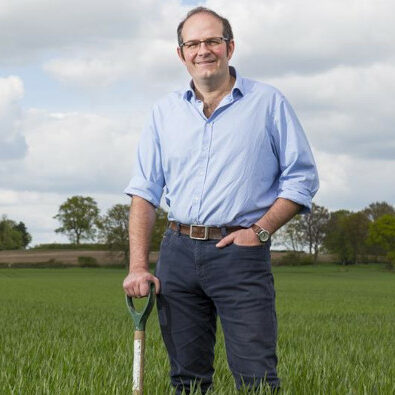
    NFU Vice President Tom Bradshaw
    NFU vice president Tom Bradshaw

    “We know gene editing is not a silver bullet. But if we are to make this a success, any new government regulation must be robust, fit for purpose and based on sound science. This will in turn provide public confidence, enable diverse and accessible innovation, and allow investment in products for the UK market.

    “The NFU will be examining today’s announcement in detail and will work with Defra to ensure the right legislative system is in place, not only to drive research but also to provide a route to market for improved varieties and breeds. We also urge the government to provide the necessary researchers and companies with a clear timetable. The government will also need to work closely with the devolved administrations to deliver something which works for the whole of the UK.

    “British farming is innovative and ambitious and by seeking to use more sophisticated and targeted breeding tools for our crops and livestock, we can continue to produce sustainable, climate-friendly food well into the future.”

    Tweet
    Share
    Share
    Pin
    Share. Facebook Twitter LinkedIn Email
    Previous Article2022 range of Yamaha UTVs and ATVs revealed
    Next Article Bobcat makes its return to live events at Innov-Agri 2021
    Matthew Tilt
    • Twitter
    • LinkedIn

    Machinery editor for Farm Contractor & Large Scale Farmer. Matt has worked as an agricultural machinery journalist for five years, following time spent in his family’s Worcestershire contracting business. When he’s not driving or writing about the latest farm equipment, he can be found in his local cinema, or with his headphones in, reading a good book.

    Read Similar Stories

    Seven British firms receive funding for space age agri-tech

    March 4, 2026

    Defra fly-tipping statistics show record number of incidents

    February 25, 2026

    Strutt & Parker urges growers to prepare for EA inspections

    February 25, 2026
    Most Read Stories

    Emyr Evans restores classic Massey Ferguson as part of anniversary celebrations

    March 11, 2026

    Triplex aims for bespoke nutrition solutions

    March 11, 2026

    BC Machinery looks to import quality kit

    March 11, 2026
    Farm Contractor & Large Scale Farmer

    The UK's leading agricultural machinery journal

    Twitter LinkedIn
    © 2024 MA Agriculture Ltd, a Mark Allen Group company

    Privacy Policy | Cookies Policy | Terms & Conditions

    • Farmers Weekly
    • AA Farmer
    • Poultry News
    • Pig World

    Type above and press Enter to search. Press Esc to cancel.