

Farm Contractor & Large Scale Farmer
    Twitter LinkedIn
    • FREE Email Newsletters
    • About Us
    • Advertise
    • Subscribe
    • Contact Us
    Twitter LinkedIn
    Podcast
    Farm Contractor & Large Scale Farmer
    • News
      • Arable & Agronomy
      • Dealership News
      • Environmental Land Management Scheme/Policy
      • Event News
      • Health & Safety
      • Machinery
      • People
      • World News
    • Farm Machinery
      • Amenity & Maintenance
      • Cultivations
      • Drilling
      • Grassland Equipment
      • Harvesting
      • Muck & Slurry
      • Sprayers
      • Telehandlers
      • Tractors
      • Tractor of the Year
      • Tyres & Tracks
      • Whatever happened to?
    • Precision Farming
    • Markets & Policy
    • Profiles
      • National Arable and Grassland Awards
      • Company Profiles
      • Reader Profiles
    • Livestock
      • Beef
      • Dairy
      • Sheep
    • Magazines
      1. September 2026
      2. August 2026
      3. 2026 Drills and Seeds supplement
      4. July 2026
      5. June 2026
      6. May 2026
      7. April 2026
      8. March 2026
      9. 2026 Tyre Developments supplement
      10. February 2026
      11. January 2026
      12. December 2025
      13. November 2025
      14. 2025 Agritechnica preview
      15. October 2025 issue
      16. September 2025 issue
      17. August 2025 issue
      18. 2025 Drills and Seeds supplement
      19. July 2025 issue
      20. June 2025 issue
      21. Cereals event guide 2025
      22. May 2025 issue
      23. April 2025 issue
      24. March 2025 issue
      25. 2025 Tyre Developments supplement
      26. February 2025 issue
      27. National Arable and Grassland Awards supplement
      28. January 2025 issue
      29. December 2024 issue
      30. November 2024 issue
      31. October 2024 issue
      32. September 2024 issue
      33. August 2024 Issue
      34. 2024 Drills and Seeds supplement
      35. July 2024 Issue
      36. Cereals Supplement
      37. June 2024 Issue
      38. May 2024 Issue
      39. April 2024 Issue
      40. Tyres and Tracks Supplement
      41. March 2024 Issue
      42. National Arable & Grassland Award – Meet the Finalists
      43. February 2024 Issue
      44. January 2024 Issue
      45. December 2023
      46. Agritechnica Preview Supplement
      47. November 2023
      48. October 2023
      Featured

      September 2026 issue available now

      By Matthew TiltSeptember 1, 2026
      Recent

      September 2026 issue available now

      September 1, 2026

      August 2026 issue available now

      August 2, 2026

      2026 Drills and Seeds supplement available now

      August 1, 2026
    • Events
    • Podcast
    Farm Contractor & Large Scale Farmer
    Dairy

    Make lameness control a priority this winter

    chrislyddonBy chrislyddonNovember 18, 20164 Mins Read
    Facebook Twitter LinkedIn Email

    As farmers prepare to house their cows for the winter months, now is the perfect time to review lameness protocols to incorporate the latest research findings into practice.

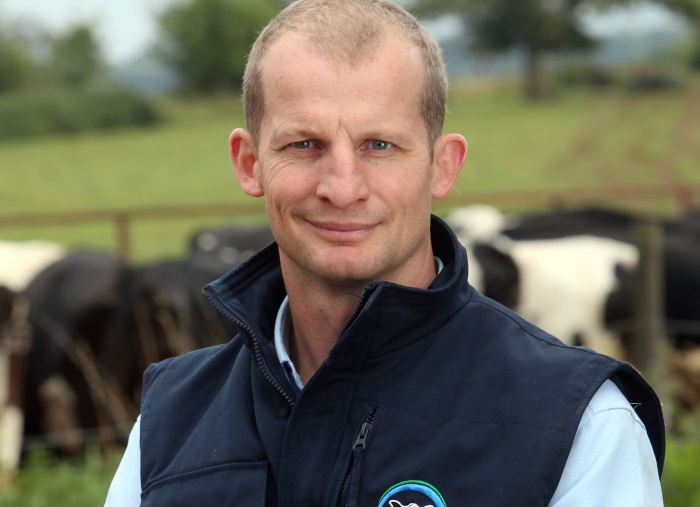
    “Winter housing is a high risk period for lameness, so it’s the ideal time to review your lameness plans with your vet and foot trimmer,” says Jon Reader, RCVS recognised specialist in cattle health and production.

    “If you get lameness under control before housing, you’ll see the benefits throughout the winter period.”

    Jon believes that all farms should assess footbathing protocols before housing.

    “For effective results, regular footbathing is essential, and needs to be carried out five to seven times a week.”

    Digital Dermatitis is highly infectious and is rarely eradicated. “So, it’s important to monitor the types of lesions in the herd,” he adds.

    “M2 lesions are the acute lesions that cause most pain and problems and need to be individually treated. Whereas, M4 lesions are those that are healing and these should be managed using good footbathing to ensure they stay in this ‘dormant’ state and do not revert to being an M2.

    “Secondary infection due to slurry and the effects of housing will trigger new bouts of dermatitis so it’s important to start footbathing well in advance of housing,” explains Jon.

    Alongside effective regular management practices, monitoring and knowing the lameness status of the herd, not just the visibly lame cows, is vital if farmers want to reduce the incidence rates over time.

    Research from Nottingham University has proven that early effective treatment of claw horn lesions can significantly improve recovery rates, and reduce the risk of cows becoming lame again in the future. “It’s the reoccurring cases which are a major issue on-farm, so if you can stop these you’ll reduce the number of overtly lame cows.”

    The research also showed that body condition at calving has an effect on lameness risk in early lactation, with Jon saying that this should be used alongside mobility scoring as a way of monitoring cows, and identifying any who are at risk of becoming lame.

    “The research shows that cows at the ideal condition of BCS 3 at calving, are less likely to become lame, and if they do become lame the recovery rate is better. Accurate and regular mobility scoring can identify those cows which are mobility score 2 that require early treatment, so that they don’t become a score 3 cow, that’s prone to having reoccurring problems,” he adds.

    “Staff training is vital, so that farmers can correctly BCS and are accurate in their mobility scoring. You should have at least one person on-farm who has been trained to score, and record the data for future monitoring and benchmarking.

    “Every farm should also have an on-farm first aider who can effectively treat early cases of lameness immediately,” he adds.

    In addition to this, the use of apps such as BCS Cowdition by Bayer Animal Health allows farmers to accurately BCS and record the data so it can be shared with the vet and others on-farm, so that an effective treatment and monitoring plan can be implemented.

    Alongside early identification, prompt treatment is needed explains Jon, with advice now being to incorporate the use of the non-steroidal anti-inflammatory drug (NSAID) ketoprofen.

    “The use of ketoprofen in lame cows has been proven to significantly increase the likelihood of them being non-lame five weeks later when treated alongside a foot trim and a block. I always recommend this comprehensive approach including ketoprofen as the most effective course of treatment,” adds Jon.

    “As the cows are in and can be monitored on a daily basis, the winter housing period is the perfect time to get on top of lameness ready for next year.”

    Tweet
    Share
    Share
    Pin
    Share. Facebook Twitter LinkedIn Email
    Previous ArticleRabobank says world dairy trade faces strong headwinds
    Next Article EU ruling gives UK chemical company the edge in farm hygiene
    chrislyddon

    Read Similar Stories

    Warning as bluetongue cases increase in Wales

    September 1, 2026

    First cut silage likely to face quality challenges

    April 8, 2026

    Crop analysis could help boost silage quality

    March 30, 2026
    Most Read Stories

    Krone completes BiG Pack range

    September 7, 2026

    JCB introduces US-built Teleskid units to Europe

    September 7, 2026

    Fendt launches new flagship tractor at Farm Progress Show

    September 7, 2026
    Farm Contractor & Large Scale Farmer

    The UK's leading agricultural machinery journal

    Twitter LinkedIn
    © 2024 MA Agriculture Ltd, a Mark Allen Group company

    Privacy Policy | Cookies Policy | Terms & Conditions

    • Farmers Weekly
    • AA Farmer
    • Poultry News
    • Pig World

    Type above and press Enter to search. Press Esc to cancel.