

Farm Contractor & Large Scale Farmer
    Twitter LinkedIn
    • FREE Email Newsletters
    • About Us
    • Advertise
    • Subscribe
    • Contact Us
    Twitter LinkedIn
    Podcast
    Farm Contractor & Large Scale Farmer
    • News
      • Arable & Agronomy
      • Dealership News
      • Environmental Land Management Scheme/Policy
      • Event News
      • Health & Safety
      • Machinery
      • People
      • World News
    • Farm Machinery
      • Amenity & Maintenance
      • Cultivations
      • Drilling
      • Grassland Equipment
      • Harvesting
      • Muck & Slurry
      • Sprayers
      • Telehandlers
      • Tractors
      • Tractor of the Year
      • Tyres & Tracks
      • Whatever happened to?
    • Precision Farming
    • Markets & Policy
    • Profiles
      • National Arable and Grassland Awards
      • Company Profiles
      • Reader Profiles
    • Livestock
      • Beef
      • Dairy
      • Sheep
    • Magazines
      1. September 2026
      2. August 2026
      3. 2026 Drills and Seeds supplement
      4. July 2026
      5. June 2026
      6. May 2026
      7. April 2026
      8. March 2026
      9. 2026 Tyre Developments supplement
      10. February 2026
      11. January 2026
      12. December 2025
      13. November 2025
      14. 2025 Agritechnica preview
      15. October 2025 issue
      16. September 2025 issue
      17. August 2025 issue
      18. 2025 Drills and Seeds supplement
      19. July 2025 issue
      20. June 2025 issue
      21. Cereals event guide 2025
      22. May 2025 issue
      23. April 2025 issue
      24. March 2025 issue
      25. 2025 Tyre Developments supplement
      26. February 2025 issue
      27. National Arable and Grassland Awards supplement
      28. January 2025 issue
      29. December 2024 issue
      30. November 2024 issue
      31. October 2024 issue
      32. September 2024 issue
      33. August 2024 Issue
      34. 2024 Drills and Seeds supplement
      35. July 2024 Issue
      36. Cereals Supplement
      37. June 2024 Issue
      38. May 2024 Issue
      39. April 2024 Issue
      40. Tyres and Tracks Supplement
      41. March 2024 Issue
      42. National Arable & Grassland Award – Meet the Finalists
      43. February 2024 Issue
      44. January 2024 Issue
      45. December 2023
      46. Agritechnica Preview Supplement
      47. November 2023
      48. October 2023
      Featured

      September 2026 issue available now

      By Matthew TiltSeptember 1, 2026
      Recent

      September 2026 issue available now

      September 1, 2026

      August 2026 issue available now

      August 2, 2026

      2026 Drills and Seeds supplement available now

      August 1, 2026
    • Events
    • Podcast
    Farm Contractor & Large Scale Farmer
    Sheep

    Ewe nutrition remains critical during early stages of pregnancy

    John SwireBy John SwireSeptember 27, 20213 Mins Read
    Facebook Twitter LinkedIn Email

    Ensuring adequate levels of energy and protein important to foetal development in early days post-tupping says Dr Alison Bond, nutritionist for Rumenco

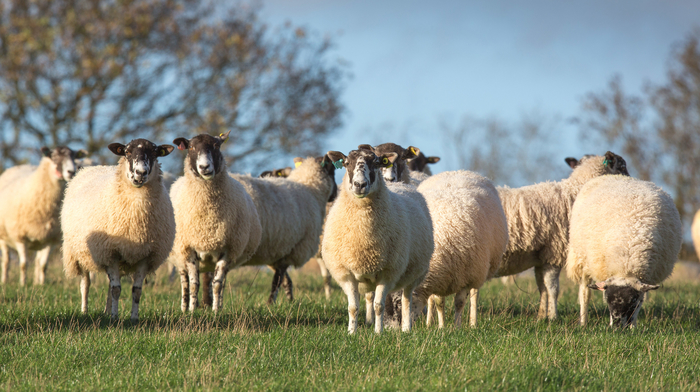
    As flocks come through a critical period of body condition gain from weaning to tupping, sheep farmers need to avoid throwing on the nutritional handbrake in the early stages of pregnancy, says Dr Alison Bond, nutritionist for Rumenco.

    “In the first month of pregnancy, foetal development is very limited and doesn’t require a great deal of nutritional support. However, making significant changes to a feeding programme would have devastating consequences to scanning percentages and future flock performance,” says Dr Bond. “Research has shown that target body condition scores (BCS) achieved by the start of tupping need to be maintained for the first 30 days of pregnancy to support embryo quality, fertilised ova survival and implantation and then continued later in the pregnancy for foetal development.”

    At tupping time, a lowland ewe weighing 60-80kg should have a BCS of 3-3.5 and a typical upland ewe weighing 40-60kgs should have a BCS of 2.5. Most farmers will have had to push ewes with high quality forage and supplementation to get them back in shape following weaning.

    “A 4cm grass sward is sufficient for maintenance but any less or poorer quality grazing may need supplementing,” says Dr Bond. “As forage quality declines towards the end of the grazing season, a multi-purpose supplement like Rumevite feed blocks deliver adequate energy and protein levels while helping to increase forage digestion and utilisation during this key period.”

    Embryos for better flock performance and implantation rates 

    According to Dr Bond, an oocyte, aka very early embryo, is very sensitive to its surrounding environment and can influence foetal growth and subsequent birthweight as early as six days after fertilisation.

    “High feeding levels can reduce progesterone levels, compromising embryo survival,” says Dr Bond. “Similarly, reduced uterine pH is also a factor with effects being more apparent in our ewe lambs compared to our mature animals. The development of the embryo is affected not only in the short term but also life-long by maternal feed intake but also specific nutrients such as energy and trace elements such as cobalt.”

    Along with impacts on foetal development and birthweight, nutritional deficiencies in early pregnancy have been shown to affect maternal care. For example, underfed ewes will groom and bleat less to their lambs. Lambs from underfed ewes will have less vigour and higher rates of mortality. Research has found early pregnancy deficiencies to lead to a decline in fertility of those lambs further down the line.

    Following embryo development, early pregnancy nutrition also has an impact on implantation. This takes place around day 19 when the oocyte starts to invade the uterine lining.

    “Any significant changes in the diet need to be avoided until post-implantation. For management groups, this should be at least two 17-day oestrous cycles,” says Dr Bond.

    Nutrition matters in early pregnancy 

    “With the lead up to tupping being such a critical period for nutrition, it is easy to lose focus once those BCS targets have been hit. But tupping nutrition doesn’t stop once the tup goes in,” concludes Dr Bond. “Those early days of pregnancy are essential to the lifetime performance of that lamb and must be made a priority. The damage done in early pregnancy cannot be fixed later on down the line by heavier feeding so it really is a critical time in the breeding calendar.”


    Tweet
    Share
    Share
    Pin
    Share. Facebook Twitter LinkedIn Email
    Previous ArticleProtein levels plummet
    Next Article Sales of milking robots up 20 percent
    John Swire

    Read Similar Stories

    Shearers welcome from overseas after NAAC lobbying

    April 14, 2025

    ‘No regular worm season’ as Zoetis urges farmers to conduct faecal egg counts

    April 4, 2025

    Livestock ban from Hungary and Slovakia after confirmed foot and mouth case

    March 10, 2025
    Most Read Stories

    Yellow beast from the East

    September 14, 2026

    From farms to solar

    September 14, 2026

    Grooming the clamp

    September 14, 2026
    Farm Contractor & Large Scale Farmer

    The UK's leading agricultural machinery journal

    Twitter LinkedIn
    © 2024 MA Agriculture Ltd, a Mark Allen Group company

    Privacy Policy | Cookies Policy | Terms & Conditions

    • Farmers Weekly
    • AA Farmer
    • Poultry News
    • Pig World

    Type above and press Enter to search. Press Esc to cancel.