

Farm Contractor & Large Scale Farmer
    Twitter LinkedIn
    • FREE Email Newsletters
    • About Us
    • Advertise
    • Subscribe
    • Contact Us
    Twitter LinkedIn
    Podcast
    Farm Contractor & Large Scale Farmer
    • News
      • Arable & Agronomy
      • Dealership News
      • Environmental Land Management Scheme/Policy
      • Event News
      • Health & Safety
      • Machinery
      • People
      • World News
    • Farm Machinery
      • Amenity & Maintenance
      • Cultivations
      • Drilling
      • Grassland Equipment
      • Harvesting
      • Muck & Slurry
      • Sprayers
      • Telehandlers
      • Tractors
      • Tractor of the Year
      • Tyres & Tracks
      • Whatever happened to?
    • Precision Farming
    • Markets & Policy
    • Profiles
      • National Arable and Grassland Awards
      • Company Profiles
      • Reader Profiles
    • Livestock
      • Beef
      • Dairy
      • Sheep
    • Magazines
      1. May 2026
      2. April 2026
      3. March 2026
      4. 2026 Tyre Developments supplement
      5. February 2026
      6. January 2026
      7. December 2025
      8. November 2025
      9. 2025 Agritechnica preview
      10. October 2025 issue
      11. September 2025 issue
      12. August 2025 issue
      13. 2025 Drills and Seeds supplement
      14. July 2025 issue
      15. June 2025 issue
      16. Cereals event guide 2025
      17. May 2025 issue
      18. April 2025 issue
      19. March 2025 issue
      20. 2025 Tyre Developments supplement
      21. February 2025 issue
      22. National Arable and Grassland Awards supplement
      23. January 2025 issue
      24. December 2024 issue
      25. November 2024 issue
      26. October 2024 issue
      27. September 2024 issue
      28. August 2024 Issue
      29. 2024 Drills and Seeds supplement
      30. July 2024 Issue
      31. Cereals Supplement
      32. June 2024 Issue
      33. May 2024 Issue
      34. April 2024 Issue
      35. Tyres and Tracks Supplement
      36. March 2024 Issue
      37. National Arable & Grassland Award – Meet the Finalists
      38. February 2024 Issue
      39. January 2024 Issue
      40. December 2023
      41. Agritechnica Preview Supplement
      42. November 2023
      43. October 2023
      Featured

      May 2026 issue available now

      By Matthew TiltMay 1, 2026
      Recent

      May 2026 issue available now

      May 1, 2026

      April 2026 issue available now

      April 1, 2026

      March 2026 issue available now

      March 2, 2026
    • Events
    • Podcast
    Farm Contractor & Large Scale Farmer
    Dairy

    Fertiliser policy key to making a success of multi-cut silage

    John SwireBy John SwireSeptember 15, 20192 Mins Read
    Facebook Twitter LinkedIn Email

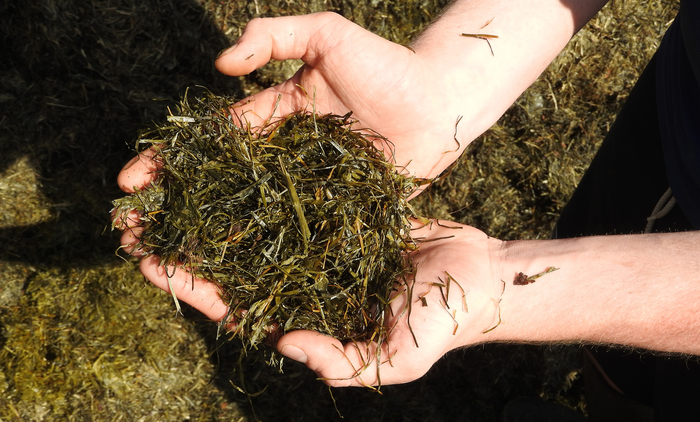
    Dairy farmers planning to adopt a multi-cut approach to grass silage making should be mindful of their fertiliser application policy in order to maximise the benefits.

    This was the advice of Germinal GB’s Ben Wixey, speaking at UK Dairy Day, where feedback from farmers and reports from the trade pointed to the ever growing popularity of the earlier and more frequent cutting method.

    “We’re seeing more and more dairy farmers adopting a multi-cut approach and, with crops being cut at optimum maturity as a result, there is evidence from this season’s silage analyses that the practice is having a positive impact on forage quality.

    “This is good news for dairy farmers, as it will ultimately help to reduce bought-in feed costs, but it is important to manage fertiliser applications appropriately to get the best out of the system.”

    Mr Wixey said that applying 2 units of nitrogen per acre per day (2.5kgN/ha) between cuts should be the aim, with timeliness being a key element.

     “With a multi-cut system, the cutting interval should be in the region of 28-30 days, which would mean applying no more than 60 units per acre (75kgN/ha) between cuts,” he said, “and this should ideally go on as soon as the last trailer has left the field.

    “Applying too much is likely to result in excessive nitrogen in the crop, which can disrupt the fermentation and lead to butyric silage. If too little nitrogen is applied, grass plants can become stressed, which usually means they go to seed prematurely. In this case, the digestibility of the silage will be reduced.

    “There’s no doubting the potential rewards from a multi-cut system, but you must start with a good quality ley and pay attention to the details, including fertiliser applications.”

    Tweet
    Share
    Share
    Pin
    Share. Facebook Twitter LinkedIn Email
    Previous ArticleContinental chooses Agritechnica to launch new hybrid tyres
    Next Article Excellent silage year points to better winter feeding
    John Swire

    Read Similar Stories

    May 2026 issue available now

    May 1, 2026

    First cut silage likely to face quality challenges

    April 8, 2026

    April 2026 issue available now

    April 1, 2026
    Most Read Stories

    Kubota appoints Hughes Agri Oswestry to its dealer network

    May 7, 2026

    Winners announced at National Women in Agriculture Awards 2026

    May 7, 2026

    Cheffins to host two auctions on behalf of Velcourt

    May 6, 2026
    Farm Contractor & Large Scale Farmer

    The UK's leading agricultural machinery journal

    Twitter LinkedIn
    © 2024 MA Agriculture Ltd, a Mark Allen Group company

    Privacy Policy | Cookies Policy | Terms & Conditions

    • Farmers Weekly
    • AA Farmer
    • Poultry News
    • Pig World

    Type above and press Enter to search. Press Esc to cancel.