

Farm Contractor & Large Scale Farmer
    Twitter LinkedIn
    • FREE Email Newsletters
    • About Us
    • Advertise
    • Subscribe
    • Contact Us
    Twitter LinkedIn
    Podcast
    Farm Contractor & Large Scale Farmer
    • News
      • Arable & Agronomy
      • Dealership News
      • Environmental Land Management Scheme/Policy
      • Event News
      • Health & Safety
      • Machinery
      • People
      • World News
    • Farm Machinery
      • Amenity & Maintenance
      • Cultivations
      • Drilling
      • Grassland Equipment
      • Harvesting
      • Muck & Slurry
      • Sprayers
      • Telehandlers
      • Tractors
      • Tractor of the Year
      • Tyres & Tracks
      • Whatever happened to?
    • Precision Farming
    • Markets & Policy
    • Profiles
      • National Arable and Grassland Awards
      • Company Profiles
      • Reader Profiles
    • Livestock
      • Beef
      • Dairy
      • Sheep
    • Magazines
      1. April 2026
      2. March 2026
      3. 2026 Tyre Developments supplement
      4. February 2026
      5. January 2026
      6. December 2025
      7. November 2025
      8. 2025 Agritechnica preview
      9. October 2025 issue
      10. September 2025 issue
      11. August 2025 issue
      12. 2025 Drills and Seeds supplement
      13. July 2025 issue
      14. June 2025 issue
      15. Cereals event guide 2025
      16. May 2025 issue
      17. April 2025 issue
      18. March 2025 issue
      19. 2025 Tyre Developments supplement
      20. February 2025 issue
      21. National Arable and Grassland Awards supplement
      22. January 2025 issue
      23. December 2024 issue
      24. November 2024 issue
      25. October 2024 issue
      26. September 2024 issue
      27. August 2024 Issue
      28. 2024 Drills and Seeds supplement
      29. July 2024 Issue
      30. Cereals Supplement
      31. June 2024 Issue
      32. May 2024 Issue
      33. April 2024 Issue
      34. Tyres and Tracks Supplement
      35. March 2024 Issue
      36. National Arable & Grassland Award – Meet the Finalists
      37. February 2024 Issue
      38. January 2024 Issue
      39. December 2023
      40. Agritechnica Preview Supplement
      41. November 2023
      42. October 2023
      Featured

      April 2026 issue available now

      By Matthew TiltApril 1, 2026
      Recent

      April 2026 issue available now

      April 1, 2026

      March 2026 issue available now

      March 2, 2026

      2026 Tyre Developments supplement available now

      March 2, 2026
    • Events
    • Podcast
    Farm Contractor & Large Scale Farmer
    Livestock

    Managing ewe nutrition in late pregnancy essential to flock performance

    John SwireBy John SwireDecember 9, 20204 Mins Read
    Facebook Twitter LinkedIn Email

    Supplementing with a digestible undegradable protein block will support colostrum production while helping to meet increased energy requirements leading up to lambing

    In the six weeks leading up to lambing, 75 percent of foetal growth takes place, significantly increasing metabolisable energy (ME) and protein requirements for ewes. According to Dr Alison Bond, nutritionist for Rumenco, sheep farmers must ensure these increased nutritional demands are being met to protect the long-term performance of their flock.

    “Not only are ewes partitioning energy towards rapid foetal growth in a very condensed period, but they are also starting to develop colostrum while maintaining their body condition,” says Dr Bond. “If these increased protein and ME requirements are not met and ewes are left malnourished, lamb birthweights will be reduced which will go on to impact growth rates. Lambs will also be at greater risk of hypothermia and can even suffer from fertility issues later in life due to the impact on foetal ovary and testes development. Ewe performance can also be harmed, with an increase in pregnancy toxaemia and delayed onset of lactation.”

    Meeting energy and protein requirements 

    When it comes to determining a ewe’s increased nutritional requirements, Dr Bond recommends that ME is increased by 0.24MJ for each 10kg of bodyweight. The number of lambs carried and the proximity to lambing also impacts ME requirements. These varying factors make it essential to sort ewes based on their energy needs, keeping first-time lambers in separate groups to adult ewes.

    “For example, a 70kg ewe carrying a single, three weeks pre-lambing has a ME requirement of 12.6 MJ/day, which increases to 16.7MJ/day with triplets – that’s a pretty substantial difference in energy demand,” she says. “Sorting doesn’t have to be overly complicated or a huge burden on infrastructure. If you have a thin ewe needing extra nutrients, stick her with higher demand ewes. So, a thin, single bearing ewe would go into the same group as your twin bearing ewes. A thin, twin bearing ewe would go into the same group as ewes carrying triplets.”

    Along with a rise in ME requirements, the ewe’s protein demands will also have a notable increase during rapid foetal growth in the last six weeks of pregnancy – particularly in the last three weeks before lambing. For example, a 70kg ewe carrying twins will require 93g/day of metabolisable protein, which increases to 126g/day in the week before lambing.

    Improving colostrum

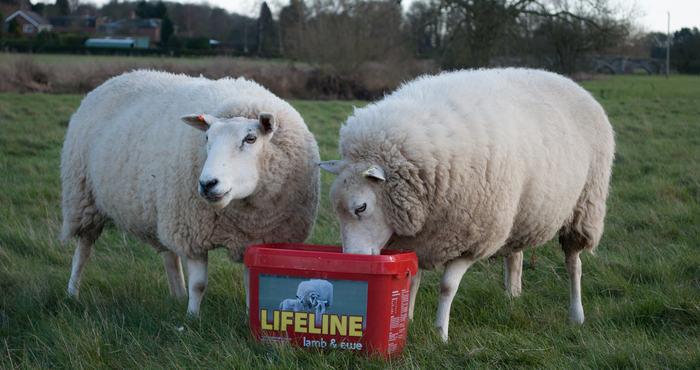
    According to Dr Bond, farmers should have forage analysed to determine what level of supplementation will be required. To reduce competition between ewes and to maintain stable intakes, Dr Bond recommends supplementing with a high energy and digestible undegradable protein (DUP) block or bucket like LIFELINE Lamb and Ewe.

    Balanced with vitamin E and essential trace elements like selenium, synergistically supporting lamb vigour, LIFELINE Lamb and Ewe contains lactose, mannan-oligosaccharides and beta-glucans which work together to support the ewe’s immune function and colostrum quality.

    “Feeding a well-balanced, energy and quality protein bucket including minerals, vitamins and trace elements during this rapid period of foetal development can significantly increase immuno-globulin levels in the colostrum,” explains Dr Bond.

    Immunoglobulin content is an important measure of colostrum quality that infers passive immunity to disease in young lambs. In independent trial work by SAC, feeding innovatively balanced energy plus protein lick including minerals, vitamins and trace elements pre-lambing was found to increase colostrum immunoglobulin content by 25% more than a standard energy bucket.

    “Supplementing with a high energy and DUP block or bucket supplement is an effective way to provide pre-lambing ewes and lambs with the right nutrition for long-term flock performance,” concludes Dr Bond.


    Tweet
    Share
    Share
    Pin
    Share. Facebook Twitter LinkedIn Email
    Previous ArticleNew high calcium capsule targets post-calving problems
    Next Article Longer shelf life after broaching claim for leading calf scour vaccine will mean Increased usage flexibility and reduced wastage
    John Swire

    Read Similar Stories

    April 2026 issue available now

    April 1, 2026

    Crop analysis could help boost silage quality

    March 30, 2026

    March 2026 issue available now

    March 2, 2026
    Most Read Stories

    Bauer to showcase slurry handling kit at new muck event

    April 27, 2026

    Chandlers takes on Knight and Agroma sprayer brands

    April 27, 2026

    Kioti UK acquired with promise to improve operational efficiency

    April 27, 2026
    Farm Contractor & Large Scale Farmer

    The UK's leading agricultural machinery journal

    Twitter LinkedIn
    © 2024 MA Agriculture Ltd, a Mark Allen Group company

    Privacy Policy | Cookies Policy | Terms & Conditions

    • Farmers Weekly
    • AA Farmer
    • Poultry News
    • Pig World

    Type above and press Enter to search. Press Esc to cancel.