

Farm Contractor & Large Scale Farmer
    Twitter LinkedIn
    • FREE Email Newsletters
    • About Us
    • Advertise
    • Subscribe
    • Contact Us
    Twitter LinkedIn
    Podcast
    Farm Contractor & Large Scale Farmer
    • News
      • Arable & Agronomy
      • Dealership News
      • Environmental Land Management Scheme/Policy
      • Event News
      • Health & Safety
      • Machinery
      • People
      • World News
    • Farm Machinery
      • Amenity & Maintenance
      • Cultivations
      • Drilling
      • Grassland Equipment
      • Harvesting
      • Muck & Slurry
      • Sprayers
      • Telehandlers
      • Tractors
      • Tractor of the Year
      • Tyres & Tracks
      • Whatever happened to?
    • Precision Farming
    • Markets & Policy
    • Profiles
      • National Arable and Grassland Awards
      • Company Profiles
      • Reader Profiles
    • Livestock
      • Beef
      • Dairy
      • Sheep
    • Magazines
      1. January 2026
      2. December 2025
      3. November 2025
      4. 2025 Agritechnica preview
      5. October 2025 issue
      6. September 2025 issue
      7. August 2025 issue
      8. 2025 Drills and Seeds supplement
      9. July 2025 issue
      10. June 2025 issue
      11. Cereals event guide 2025
      12. May 2025 issue
      13. April 2025 issue
      14. March 2025 issue
      15. 2025 Tyre Developments supplement
      16. February 2025 issue
      17. National Arable and Grassland Awards supplement
      18. January 2025 issue
      19. December 2024 issue
      20. November 2024 issue
      21. October 2024 issue
      22. September 2024 issue
      23. August 2024 Issue
      24. 2024 Drills and Seeds supplement
      25. July 2024 Issue
      26. Cereals Supplement
      27. June 2024 Issue
      28. May 2024 Issue
      29. April 2024 Issue
      30. Tyres and Tracks Supplement
      31. March 2024 Issue
      32. National Arable & Grassland Award – Meet the Finalists
      33. February 2024 Issue
      34. January 2024 Issue
      35. December 2023
      36. Agritechnica Preview Supplement
      37. November 2023
      38. October 2023
      Featured

      January 2026 issue available now

      By Matthew TiltJanuary 5, 2026
      Recent

      January 2026 issue available now

      January 5, 2026

      December 2025 issue available now

      December 1, 2025

      2025 Agritechnica preview supplement available now

      November 2, 2025
    • Events
    • Podcast
    Farm Contractor & Large Scale Farmer
    Dairy

    Mitigating butterfat depression at turnout

    John SwireBy John SwireApril 20, 20203 Mins Read
    Facebook Twitter LinkedIn Email

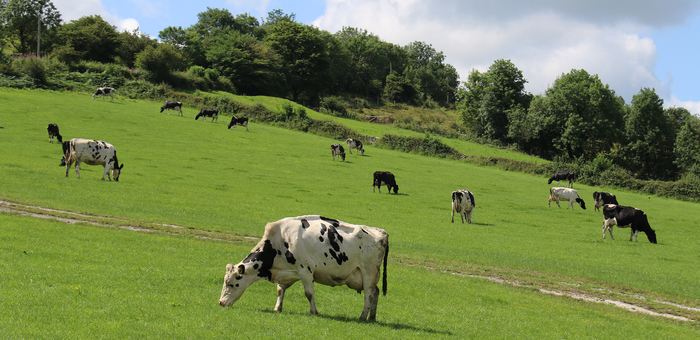
    Rumen function is paramount to protecting butterfats during spring grazing

    As dairy producers begin to turn out herds for spring grazing, optimising rumen function is essential to mitigate butterfat depression. According to Dr Richard Kirkland, Global Technical Manager for Volac Wilmar Feed Ingredients, there are two key factors that contribute to the dip in butterfat production that is so common at turnout.

     “First off, cows go from having a controlled ration that has been balanced for nutrients such as fibre and starch, to having a sudden change in diet nutrient composition. This alone will give the rumen a shock, which goes on to impact cow performance,” says Dr Kirkland. “At the same time, the new growth of grass they will be grazing in early spring, is also high in sugar and oil but low in fibre.”

    Low fibre / high sugar grass is more rapidly fermentable, compromising rumen pH and passing through the digestive tract more quickly. This combined with the high oil levels can lead to an increased risk of acidosis and significant milk fat depression. 

     “A great way to counteract this reaction is to buffer feed with a high fibre feed source in conjunction with an appropriate rumen-protected fat supplement. This is going to slow down digestive flow and help optimise rumen conditions,” says Dr Kirkland. 

    While high fibre ingredients such as straw can help slow down the flow of feed through the digestive system and raise the rumen pH, they also fill the rumen with low feed quality bulk that will reduce energy intake and milk protein. Digestible fibre sources such as sugar beet pulp, citrus pulp and soya bean hulls are excellent feed sources to include in the concentrate to create a better balance in the rumen.

     “Rumen-protected fat supplements provide a dense energy source while also supporting rumen function,” explains Dr Kirkland. “If energy requirements are instead met through rapidly fermentable carbohydrates such as wheat in the form of concentrate, the risk of acidosis will be further increased in grazing cows.”

    Fat is more than a dense energy source

    According to Dr Kirkland, individual fatty acids impact cow performance by partitioning nutrients to different areas of performance. Therefore, fatty acids should be selected depending on the stage of lactation, individual farm challenges and requirements to maximise returns from specific milk contracts.

    For spring calving cows in early lactation, the challenge is to manage body condition score to aid in the effort to get the cow back in calf. As a general rule, each one-unit loss in condition will reduce conception rates by 10%. During this early lactation period, C18:1 (oleic acid) is the key fatty acid to deliver to the small intestine for absorption as the latest research demonstrates its effect on insulin status, increasing partitioning of energy and nutrients to improve body condition and to improve development of eggs.

    For cows in the post-peak period of lactation, supplementing with products containing high levels of C16:0 (palmitic acid) will increase partitioning of nutrients to milk, which in turn will improve milk fat production.

    While targeting these specific fatty acid requirements is not feasible in a year-round calving system, a multi-purpose fat supplement like Mega-Max with a research-proven ratio of C16:0 and C18:1 is an effective way to meet the nutritional needs of the entire herd at all stages of lactation.

     “By understanding the impact of specific fatty acids at different stages of lactation, fat supplementation can be used to optimise herd performance while also serving as an essential, dense energy source,” concludes Dr Kirkland. 

    Tweet
    Share
    Share
    Pin
    Share. Facebook Twitter LinkedIn Email
    Previous ArticleFarmtrac strengthens trade links between UK and India
    Next Article Dairy industry to join together to manage milk supply through coronavirus response
    John Swire

    Read Similar Stories

    January 2026 issue available now

    January 5, 2026

    New cattle tech could cut ammonia emissions

    December 16, 2025

    December 2025 issue available now

    December 1, 2025
    Most Read Stories

    2025 registrations by region and power

    January 19, 2026

    Dalbo showcases APV range at Lamma

    January 19, 2026

    Bridgestone announces partnership with Kirkby Tyres

    January 19, 2026
    Farm Contractor & Large Scale Farmer

    The UK's leading agricultural machinery journal

    Twitter LinkedIn
    © 2024 MA Agriculture Ltd, a Mark Allen Group company

    Privacy Policy | Cookies Policy | Terms & Conditions

    • Farmers Weekly
    • AA Farmer
    • Poultry News
    • Pig World

    Type above and press Enter to search. Press Esc to cancel.