


Farm Contractor & Large Scale Farmer
    Twitter LinkedIn
    • FREE Email Newsletters
    • About Us
    • Advertise
    • Subscribe
    • Contact Us
    Twitter LinkedIn
    Podcast
    Farm Contractor & Large Scale Farmer
    • News
      • Arable & Agronomy
      • Dealership News
      • Environmental Land Management Scheme/Policy
      • Event News
      • Health & Safety
      • Machinery
      • People
      • World News
    • Farm Machinery
      • Amenity & Maintenance
      • Cultivations
      • Drilling
      • Grassland Equipment
      • Harvesting
      • Muck & Slurry
      • Sprayers
      • Telehandlers
      • Tractors
      • Tractor of the Year
      • Tyres & Tracks
      • Whatever happened to?
    • Precision Farming
    • Markets & Policy
    • Profiles
      • National Arable and Grassland Awards
      • Company Profiles
      • Reader Profiles
    • Livestock
      • Beef
      • Dairy
      • Sheep
    • Magazines
      1. April 2026
      2. March 2026
      3. 2026 Tyre Developments supplement
      4. February 2026
      5. January 2026
      6. December 2025
      7. November 2025
      8. 2025 Agritechnica preview
      9. October 2025 issue
      10. September 2025 issue
      11. August 2025 issue
      12. 2025 Drills and Seeds supplement
      13. July 2025 issue
      14. June 2025 issue
      15. Cereals event guide 2025
      16. May 2025 issue
      17. April 2025 issue
      18. March 2025 issue
      19. 2025 Tyre Developments supplement
      20. February 2025 issue
      21. National Arable and Grassland Awards supplement
      22. January 2025 issue
      23. December 2024 issue
      24. November 2024 issue
      25. October 2024 issue
      26. September 2024 issue
      27. August 2024 Issue
      28. 2024 Drills and Seeds supplement
      29. July 2024 Issue
      30. Cereals Supplement
      31. June 2024 Issue
      32. May 2024 Issue
      33. April 2024 Issue
      34. Tyres and Tracks Supplement
      35. March 2024 Issue
      36. National Arable & Grassland Award – Meet the Finalists
      37. February 2024 Issue
      38. January 2024 Issue
      39. December 2023
      40. Agritechnica Preview Supplement
      41. November 2023
      42. October 2023
      Featured

      April 2026 issue available now

      By Matthew TiltApril 1, 2026
      Recent

      April 2026 issue available now

      April 1, 2026

      March 2026 issue available now

      March 2, 2026

      2026 Tyre Developments supplement available now

      March 2, 2026
    • Events
    • Podcast
    Farm Contractor & Large Scale Farmer
    Arable & Agronomy

    Remedial work needed to reset maize ground after wet winter

    Matthew TiltBy Matthew TiltApril 15, 20244 Mins Read
    Facebook Twitter LinkedIn Email

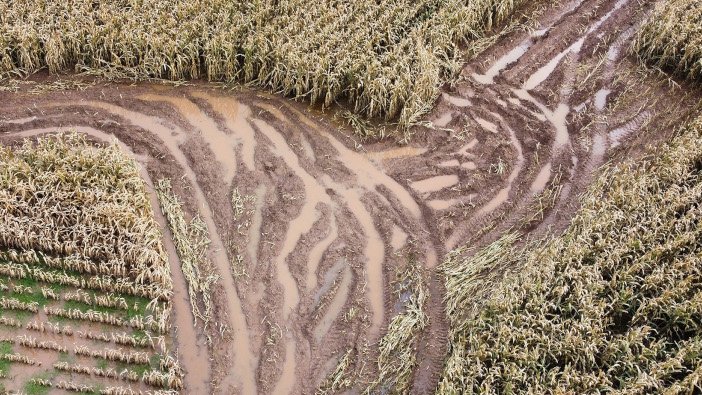
    ProCam is advising growers to ensure that ground is properly prepared ahead of maize planting, as the wet weather could have done significant damage.

    “After several months of waterlogged conditions during which large areas of maize ground have been sitting under several inches of water, soils will need a lot of work to get them into the best possible condition ahead of drilling,” Simon Montgomery, technical lead for field operations, said.

    The main issues that growers will face, he added, will be compaction, silting and nutrient losses.

    “Soil compaction will be especially bad on ground which was harvested in wet conditions last autumn, or where farmyard manure has been carted onto wet fields in readiness for spring spreading. The wet conditions will also have caused valuable nutrients to be leached out of the soils, and for those left bare over the winter to silt up and become anaerobic.

    “The extent of the damage will vary from field to field and according to topography and soil type, but it’s safe to assume that the majority of maize ground will need at least some remedial management to ensure the new cropping cycle starts well.

    “The quickest, simplest and most cost-effective way of determining soil condition is to grab a spade and dig a test pit in a handful of locations per field.”

    Simon Montgomery

    Alongside visual inspections, Simon recommends soil sampling to understand what nutrients have been lost, and to what extent. “Residual nutrient reserves will have been depleted by leaching, so it’s a worthwhile investment to get soils tested properly. The key is to test not only for soil-stock nutrient levels of the main macro- and micro-nutrients, but also to test for plant-available nutrients. Analytical services such as ProCam’s SoilSense test will give a more in-depth understanding of the soil, its potential, and how it should be managed.”

    While farmers will be keen to get onto the field as soon as possible, Simon urged patience as ground may not be able to withstand heavy machinery at this stage. “Where possible, wait for the conditions to improve sufficiently. Otherwise, there’s a danger of inflicting further damage onto already compromised soils.”

    When conditions allow, soils should be aerated to remediate the anaerobic conditions. “Incorporating manure will help to improve soil structure, but the worst affected ground might require an extra cultivation pass to break up the more severe cases of compaction or silting. Either way, there’s no point skimping at this stage in proceedings.”

    He concluded by noting that workload planning will likely be a challenge this spring. “Cropping schedules and workloads are likely to be significantly hampered this spring, especially if conditions remain cool and wet for the next few weeks. There’s a danger that this year’s window for maize drilling could coincide with first cut silage making. If this happens growers should prioritise the latter to ensure they gather a good first cut of grass before focusing on maize drilling.

    “If drilling is delayed by more than a week, a starter fertiliser will help the crop to catch up, but growers might also want to look at a slightly later variety of maize to suit the season’s conditions. However, there’s always a chance that the most popular varieties will sell out, so plan ahead wherever possible.

    “Undersowing maize with ryegrass or Westerwolds to protect soils at harvest, and to produce a secondary forage crop, is also worth considering this year, especially if harvesting is likely to be pushed back as a result of late drilling. Grass seed can be sown between the rows of maize when the main crop is at the 4-6 leaf stage and after weeds such as fat hen and redshank have been taken out.”

    For more information go to www.procam.co.uk

    Tweet
    Share
    Share
    Pin
    Share. Facebook Twitter LinkedIn Email
    Previous ArticleStaple tyre brands to hitch prices up across their ranges
    Next Article Sumitomo Chemical anticipate approval on two new cereal fungicides
    Matthew Tilt
    • Twitter
    • LinkedIn

    Machinery editor for Farm Contractor & Large Scale Farmer. Matt has worked as an agricultural machinery journalist for five years, following time spent in his family’s Worcestershire contracting business. When he’s not driving or writing about the latest farm equipment, he can be found in his local cinema, or with his headphones in, reading a good book.

    Read Similar Stories

    First cut silage likely to face quality challenges

    April 8, 2026

    PGRO to showcase changes to Yield Enhancement Network

    April 8, 2026

    Limagrain launches farmer-led demo network

    April 6, 2026
    Most Read Stories

    Agrointelli forced out of market as bid to find a buyer fails

    April 10, 2026

    Knight enters joint venture with Greek manufacturer

    April 9, 2026

    Mitsubishi announces first dealers as new vehicles set to enter UK

    April 9, 2026
    Farm Contractor & Large Scale Farmer

    The UK's leading agricultural machinery journal

    Twitter LinkedIn
    © 2024 MA Agriculture Ltd, a Mark Allen Group company

    Privacy Policy | Cookies Policy | Terms & Conditions

    • Farmers Weekly
    • AA Farmer
    • Poultry News
    • Pig World

    Type above and press Enter to search. Press Esc to cancel.