

Farm Contractor & Large Scale Farmer
    Twitter LinkedIn
    • FREE Email Newsletters
    • About Us
    • Advertise
    • Subscribe
    • Contact Us
    Twitter LinkedIn
    Podcast
    Farm Contractor & Large Scale Farmer
    • News
      • Arable & Agronomy
      • Dealership News
      • Environmental Land Management Scheme/Policy
      • Event News
      • Health & Safety
      • Machinery
      • People
      • World News
    • Farm Machinery
      • Amenity & Maintenance
      • Cultivations
      • Drilling
      • Grassland Equipment
      • Harvesting
      • Muck & Slurry
      • Sprayers
      • Telehandlers
      • Tractors
      • Tractor of the Year
      • Tyres & Tracks
      • Whatever happened to?
    • Precision Farming
    • Markets & Policy
    • Profiles
      • National Arable and Grassland Awards
      • Company Profiles
      • Reader Profiles
    • Livestock
      • Beef
      • Dairy
      • Sheep
    • Magazines
      1. March 2026
      2. 2026 Tyre Developments supplement
      3. February 2026
      4. January 2026
      5. December 2025
      6. November 2025
      7. 2025 Agritechnica preview
      8. October 2025 issue
      9. September 2025 issue
      10. August 2025 issue
      11. 2025 Drills and Seeds supplement
      12. July 2025 issue
      13. June 2025 issue
      14. Cereals event guide 2025
      15. May 2025 issue
      16. April 2025 issue
      17. March 2025 issue
      18. 2025 Tyre Developments supplement
      19. February 2025 issue
      20. National Arable and Grassland Awards supplement
      21. January 2025 issue
      22. December 2024 issue
      23. November 2024 issue
      24. October 2024 issue
      25. September 2024 issue
      26. August 2024 Issue
      27. 2024 Drills and Seeds supplement
      28. July 2024 Issue
      29. Cereals Supplement
      30. June 2024 Issue
      31. May 2024 Issue
      32. April 2024 Issue
      33. Tyres and Tracks Supplement
      34. March 2024 Issue
      35. National Arable & Grassland Award – Meet the Finalists
      36. February 2024 Issue
      37. January 2024 Issue
      38. December 2023
      39. Agritechnica Preview Supplement
      40. November 2023
      41. October 2023
      Featured

      March 2026 issue available now

      By Matthew TiltMarch 2, 2026
      Recent

      March 2026 issue available now

      March 2, 2026

      2026 Tyre Developments supplement available now

      March 2, 2026

      February 2026 issue available now

      February 1, 2026
    • Events
    • Podcast
    Farm Contractor & Large Scale Farmer
    Livestock

    Assess swards now to maximise production from grass

    chrislyddonBy chrislyddonFebruary 23, 20173 Mins Read
    Facebook Twitter LinkedIn Email

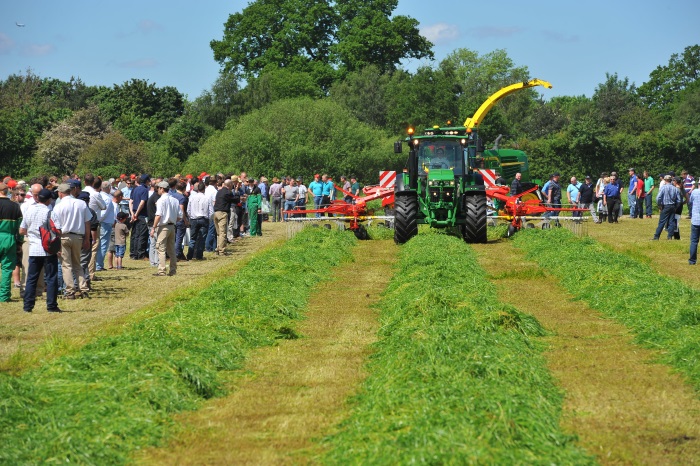
    Early spring is an opportune time for farmers to assess their grass swards, to maximise productivity in the season ahead. Charlie Morgan, grassland consultant at GrassMaster, will be speaking at this year’s Grassland & Muck Event, and offers his top five tips for getting the most from pasture.

    Physical assessment

    The first thing to do in the spring is walk the fields and see what they look like, says Mr Morgan. Randomly check several metre square plots, to get an accurate picture of the species present. “Note the sward density and ryegrass tillering, and look for more diploids than tetraploids for added yield and robustness.”

    Small changes to measuring and evaluation can make big changes to grass yield and quality – find out more at Yara’s seminar to hear how case study farmers have boosted production from grass.

    Evaluating plant species

    For optimum performance, swards should be at least 50% ryegrass, with the remainder comprising less competitive grasses. “Any swards with less than 50% ryegrass should be reseeded,” says Mr Morgan. As an alternative, farmers could stitch in appropriate varieties, providing the sward is open enough. “Where a sward is dense, stitching in becomes more difficult due to increased competition.”

    Swards should have no more than 5% weeds, 10% bare ground and, during early spring, around 5-10% clover, although this should reach 40% by the autumn.

    To choose which new varieties and mixes to sow, visitors to the event will be able to see over 100 growing plots and obtain advice from a host of plant breeders.

    Assessing nutrient status

    Nutrient management is one of the biggest contributors to grass yield and quality, with effective use of nitrogen – based on soil temperature – an important but overlooked area. “Temperatures fluctuate in spring; as a guide I’d aim for 30kg/N/ha at turnout,” says Mr Morgan.

    Farmers should look at the previous cropping as well as winter rainfall to estimate soil nitrogen levels, and remember to analyse slurry and manure. “Depending on the slurry nutrient levels the first dressing could be done in February using an umbilical system – avoiding the need for artificial nitrogen and increasing early growth.”

    When measuring other nutrient levels and pH, he recommends soil testing every three years.

    Examining soil structure

    Poor soil condition is a major contributor to reduced pasture performance so farmers should dig a hole and physically examine their soil, says Mr Morgan. “Soil structure can give a lot of clues about the health and nutrient status of the soil. Farmers should look at evidence of compaction, worm activity and the smell and colour of the soil. They can then amend any areas of weakness.”

    ADAS will be running a Soil and Nutrient Management Clinic at the event, covering a range of issues including structure and drainage. Visitors can even bring a soil sample to discuss with the expert team.

    Improving grazing methods

    Rotational grazing is proven to increase both yields and grass quality, says Mr Morgan. “Start rotational grazing as soon as possible, using tracks to access fields with short, sharp grazing periods to avoid compaction and quality loss,” he explains. “Build up a wedge in the autumn and graze it down to around 1500kg DM/ha at first turnout to remove any winter residue.”

    New this year, Grassland & Muck is running a live demonstration on intensive rotational grazing of a herbal ley, with different types of temporary fencing. “We need to utilise what we grow,” says Mr Morgan. “Using the best grazing and management methods is vital to ensure grass isn’t wasted.”

    Tweet
    Share
    Share
    Pin
    Share. Facebook Twitter LinkedIn Email
    Previous ArticleArla Foods amba increases its March milk price
    Next Article Scottish spring calving trend confirmed by latest figures
    chrislyddon

    Read Similar Stories

    Kuhn adds compact Primor bedding and feeding unit

    February 25, 2026

    New Spread-a-Bale machine wins Bronze Lamma Award

    January 5, 2026

    Livestock worrying now punishable with unlimited fines

    December 22, 2025
    Most Read Stories

    Emyr Evans restores classic Massey Ferguson as part of anniversary celebrations

    March 11, 2026

    Triplex aims for bespoke nutrition solutions

    March 11, 2026

    BC Machinery looks to import quality kit

    March 11, 2026
    Farm Contractor & Large Scale Farmer

    The UK's leading agricultural machinery journal

    Twitter LinkedIn
    © 2024 MA Agriculture Ltd, a Mark Allen Group company

    Privacy Policy | Cookies Policy | Terms & Conditions

    • Farmers Weekly
    • AA Farmer
    • Poultry News
    • Pig World

    Type above and press Enter to search. Press Esc to cancel.