

Farm Contractor & Large Scale Farmer
    Twitter LinkedIn
    • FREE Email Newsletters
    • About Us
    • Advertise
    • Subscribe
    • Contact Us
    Twitter LinkedIn
    Podcast
    Farm Contractor & Large Scale Farmer
    • News
      • Arable & Agronomy
      • Dealership News
      • Environmental Land Management Scheme/Policy
      • Event News
      • Health & Safety
      • Machinery
      • People
      • World News
    • Farm Machinery
      • Amenity & Maintenance
      • Cultivations
      • Drilling
      • Grassland Equipment
      • Harvesting
      • Muck & Slurry
      • Sprayers
      • Telehandlers
      • Tractors
      • Tractor of the Year
      • Tyres & Tracks
      • Whatever happened to?
    • Precision Farming
    • Markets & Policy
    • Profiles
      • National Arable and Grassland Awards
      • Company Profiles
      • Reader Profiles
    • Livestock
      • Beef
      • Dairy
      • Sheep
    • Magazines
      1. November 2026
      2. October 2026
      3. September 2026
      4. August 2026
      5. 2026 Drills and Seeds supplement
      6. July 2026
      7. June 2026
      8. May 2026
      9. April 2026
      10. March 2026
      11. 2026 Tyre Developments supplement
      12. February 2026
      13. January 2026
      14. December 2025
      15. November 2025
      16. 2025 Agritechnica preview
      17. October 2025 issue
      18. September 2025 issue
      19. August 2025 issue
      20. 2025 Drills and Seeds supplement
      21. July 2025 issue
      22. June 2025 issue
      23. Cereals event guide 2025
      24. May 2025 issue
      25. April 2025 issue
      26. March 2025 issue
      27. 2025 Tyre Developments supplement
      28. February 2025 issue
      29. National Arable and Grassland Awards supplement
      30. January 2025 issue
      31. December 2024 issue
      32. November 2024 issue
      33. October 2024 issue
      34. September 2024 issue
      35. August 2024 Issue
      36. 2024 Drills and Seeds supplement
      37. July 2024 Issue
      38. Cereals Supplement
      39. June 2024 Issue
      40. May 2024 Issue
      41. April 2024 Issue
      42. Tyres and Tracks Supplement
      43. March 2024 Issue
      44. National Arable & Grassland Award – Meet the Finalists
      45. February 2024 Issue
      46. January 2024 Issue
      47. December 2023
      48. Agritechnica Preview Supplement
      49. November 2023
      50. October 2023
      Featured

      November 2026 issue available now

      By Matthew TiltNovember 1, 2026
      Recent

      November 2026 issue available now

      November 1, 2026

      October 2026 issue available now

      October 1, 2026

      September 2026 issue available now

      September 1, 2026
    • Events
    • Podcast
    Farm Contractor & Large Scale Farmer
    Dairy

    Take steps to head off silage shortfalls

    John SwireBy John SwireJune 26, 20184 Mins Read
    Facebook Twitter LinkedIn Email

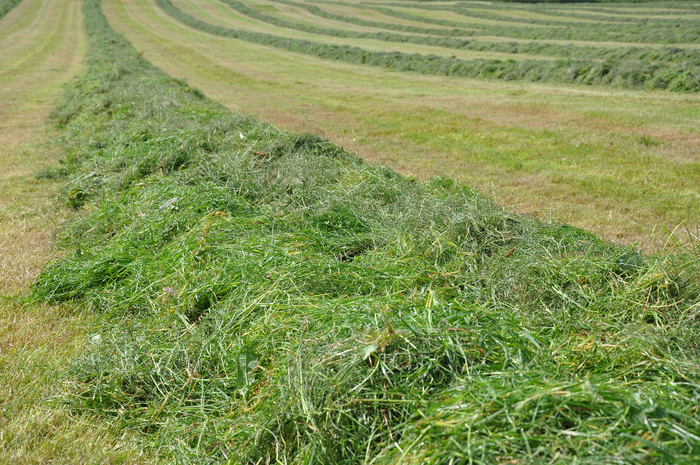
    Livestock farmers concerned about shortfalls of silage for winter feeding, after a mixed bag of grass yields so far this season, should keep regular tabs on stocks and be prepared to put extra effort into making and conserving remaining cuts, a silage specialist is urging.

    According to Ecosyl silage specialist, Colin Callender, the cold start to the season followed by dry spells have left some farmers questioning whether they will have enough silage.

    “Certainly, it’s been a mixed bag for grass yields,” says Mr Callender. “Where people took first cuts earlier aiming for quality, yields were down. And certainly some second cut yields have been down because of dry weather.

    “If you are concerned about silage stocks, the key is not to panic. What you don’t want to do is aim for bulk at the expense of quality. Instead, aim for a good balance between the two and do everything possible to safeguard against losses in the clamp. Also, consider alternative silage crop options,” he adds.

    To assist, Mr Callender suggests a three-point plan:

    1. Don’t compromise what you cut

    Don’t be tempted to cut grass too low for extra bulk, he says, because the stem base is low in digestibility and cutting too low can introduce undesirable microbes into the clamp, causing losses. “Equally, don’t delay cutting dates of summer grass silage excessively to allow it longer to bulk up. Although yield may increase, digestibility will almost certainly fall, and it will leave less time for growth of any later cuts.”

    Additionally, Mr Callender urges rapid wilting. “Sugars start declining once grass is cut,” he says, “because they are being used by the plant, since it’s still living. So, aim to wilt to 28-32% DM in the shortest possible time. If you cut in the morning and achieve rapid wilting, you could achieve 28-32% DM that same afternoon.”

    1. Do pay attention to harvest and storage

    Do plan ahead to keep air out of the clamp, says Mr Callender. “Use the correct chop length for the %DM of the grass to help get the best consolidation, then seal and weight the clamp fully. By doing these you’ll not only aid fermentation to conserve quantity and quality, but also minimise wastage due to heating.

    “Similarly, even if you don’t normally use one, remember the benefits of a proven additive. Across 15 grass silage trials, dry matter recovery was boosted from 91.8% to 95.5% of the original material ensiled using an additive containing the bacterium, Lactobacillus plantarum MTD/1. That’s equivalent to an extra 37 tonnes back per 1,000 tonnes clamped.”

    1. Do consider alternative forages or an extra cut of grass

    If you are looking short on silage, do consider other options, says Mr Callender, such as wholecrop or taking an additional, late cut of grass.

    “It’s possible to get 12-15 tonnes of DM per hectare from wholecrop wheat. If you aren’t growing cereals, maybe look into buying a standing crop. Wholecrop makes an excellent component in the ration with grass silage,” he adds. “As with all forages, effective preservation is essential. Many farmers opt to make fermented wholecrop, which is highly palatable and can have a starch content as high as 35%.

    “Ideally it should be harvested at 45-50% dry matter, which offers a good balance between providing moisture and sugars for fermentation and achieving a good starch content.

    Typically, 45-50% DM corresponds to grain at the ‘soft Cheddar cheese’ stage but with no detectable ‘milk’.

    “For late-cut grass, while wilting can be more challenging towards the end of the season, and sugar levels can be lower, if you ted it properly and use a quality additive to boost fermentation, you can end up with a worthwhile product.”

    For more details on getting more from grass silage, farmers can visit

    www.cuttoclamp.com


    Tweet
    Share
    Share
    Pin
    Share. Facebook Twitter LinkedIn Email
    Previous ArticleNational sales director appointed by farm tractor distributor AgriArgo UK & Ireland
    Next Article Allflex introduces SenseTime Beef – a unique heat detection and health monitoring system for beef cattle
    John Swire

    Read Similar Stories

    November 2026 issue available now

    November 1, 2026

    October 2026 issue available now

    October 1, 2026

    Warning as bluetongue cases increase in Wales

    September 1, 2026
    Most Read Stories

    Tractor of the Year 2027 – TotY HighPower – Fendt 1167 Vario MT Gen 2

    November 6, 2026

    Tractor of the Year 2027 – TotY HighPower – Claas Axion 8.290 Cmatic

    November 6, 2026

    Tractor of the Year 2027 – TotY MidPower – Valtra T236

    November 5, 2026
    Farm Contractor & Large Scale Farmer

    The UK's leading agricultural machinery journal

    Twitter LinkedIn
    © 2024 MA Agriculture Ltd, a Mark Allen Group company

    Privacy Policy | Cookies Policy | Terms & Conditions

    • Farmers Weekly
    • AA Farmer
    • Poultry News
    • Pig World

    Type above and press Enter to search. Press Esc to cancel.