


Farm Contractor & Large Scale Farmer
    Twitter LinkedIn
    • FREE Email Newsletters
    • About Us
    • Advertise
    • Subscribe
    • Contact Us
    Twitter LinkedIn
    Podcast
    Farm Contractor & Large Scale Farmer
    • News
      • Arable & Agronomy
      • Dealership News
      • Environmental Land Management Scheme/Policy
      • Event News
      • Health & Safety
      • Machinery
      • People
      • World News
    • Farm Machinery
      • Amenity & Maintenance
      • Cultivations
      • Drilling
      • Grassland Equipment
      • Harvesting
      • Muck & Slurry
      • Sprayers
      • Telehandlers
      • Tractors
      • Tractor of the Year
      • Tyres & Tracks
      • Whatever happened to?
    • Precision Farming
    • Markets & Policy
    • Profiles
      • National Arable and Grassland Awards
      • Company Profiles
      • Reader Profiles
    • Livestock
      • Beef
      • Dairy
      • Sheep
    • Magazines
      1. December 2025
      2. November 2025
      3. 2025 Agritechnica preview
      4. October 2025 issue
      5. September 2025 issue
      6. August 2025 issue
      7. 2025 Drills and Seeds supplement
      8. July 2025 issue
      9. June 2025 issue
      10. Cereals event guide 2025
      11. May 2025 issue
      12. April 2025 issue
      13. March 2025 issue
      14. 2025 Tyre Developments supplement
      15. February 2025 issue
      16. National Arable and Grassland Awards supplement
      17. January 2025 issue
      18. December 2024 issue
      19. November 2024 issue
      20. October 2024 issue
      21. September 2024 issue
      22. August 2024 Issue
      23. 2024 Drills and Seeds supplement
      24. July 2024 Issue
      25. Cereals Supplement
      26. June 2024 Issue
      27. May 2024 Issue
      28. April 2024 Issue
      29. Tyres and Tracks Supplement
      30. March 2024 Issue
      31. National Arable & Grassland Award – Meet the Finalists
      32. February 2024 Issue
      33. January 2024 Issue
      34. December 2023
      35. Agritechnica Preview Supplement
      36. November 2023
      37. October 2023
      Featured

      December 2025 issue available now

      By Matthew TiltDecember 1, 2025
      Recent

      December 2025 issue available now

      December 1, 2025

      2025 Agritechnica preview supplement available now

      November 2, 2025

      November 2025 issue available now

      November 2, 2025
    • Events
    • Podcast
    Farm Contractor & Large Scale Farmer
    Arable & Livestock

    New post dip from Deosan helps defend against bacteria

    Matthew TiltBy Matthew TiltSeptember 7, 20213 Mins Read
    Facebook Twitter LinkedIn Email
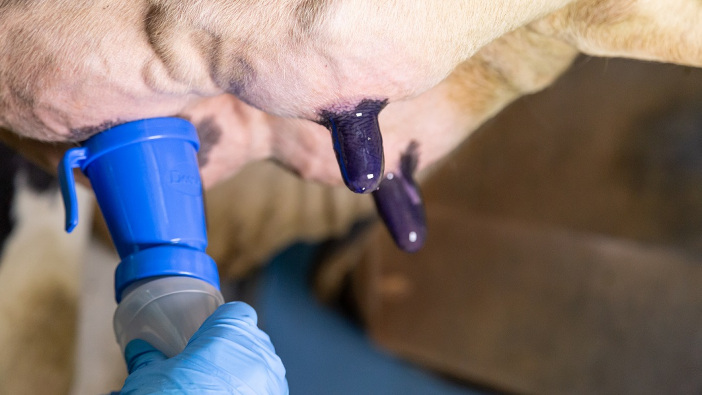
    Barriers are incredibly effective, and are highly recommended, in times of transition LOW RES

    Deosan, the dairy hygiene brand of Diversey, has launched a new post dip called Target Barrier. Containing chlorhexidine, used worldwide due to its effectiveness and skin conditioning properties. It’s said to be highly effective against bacteria, ideal for use at times of transition.

    “Chlorhexidine has a strong affinity to skin, but without aggressive tendencies,” explained Alison Cox, Deosan global application specialist. “It is also less affected by organic material than some active ingredients and is rapidly taken up by bacteria – an essential quality for post milking applications. As a global company, we are seeing an increasing demand for a barrier product that is ready to use, protects the skin and offers highly effective protection, and this product meets all of these requirements.”

    The product is said to be highly viscous for more accurate coverage and less waste, Ms Cox added, meaning that it stays directly on the teat skin, which allows the ingredients to get into all crevices of the skin.

    “The precise selection of skin-friendly ingredients allows the 6000ppm chlorhexidine biocide freedom to deliver comprehensive skin disinfection. As a result, it is not only highly effective against bacteria, but also against yeast infections, both of which are commonly associated with mastitis infections.

    “The addition of Glycerine and Allantoin also ensures the continuity of skin condition during challenging weather and transitional lactation periods; the teat skin retains moisture, and is softened and soothed between milkings.

    “This can also remove the reliance on teat creams, which present little value in terms of disinfection, can become contaminated with flies and faeces, and add complexity to the milking routine. These products should not be needed in modern milk production. It is simply investing in the right product, at the right time, with the best ingredients, which will ensure that good teat skin condition is maintained.”
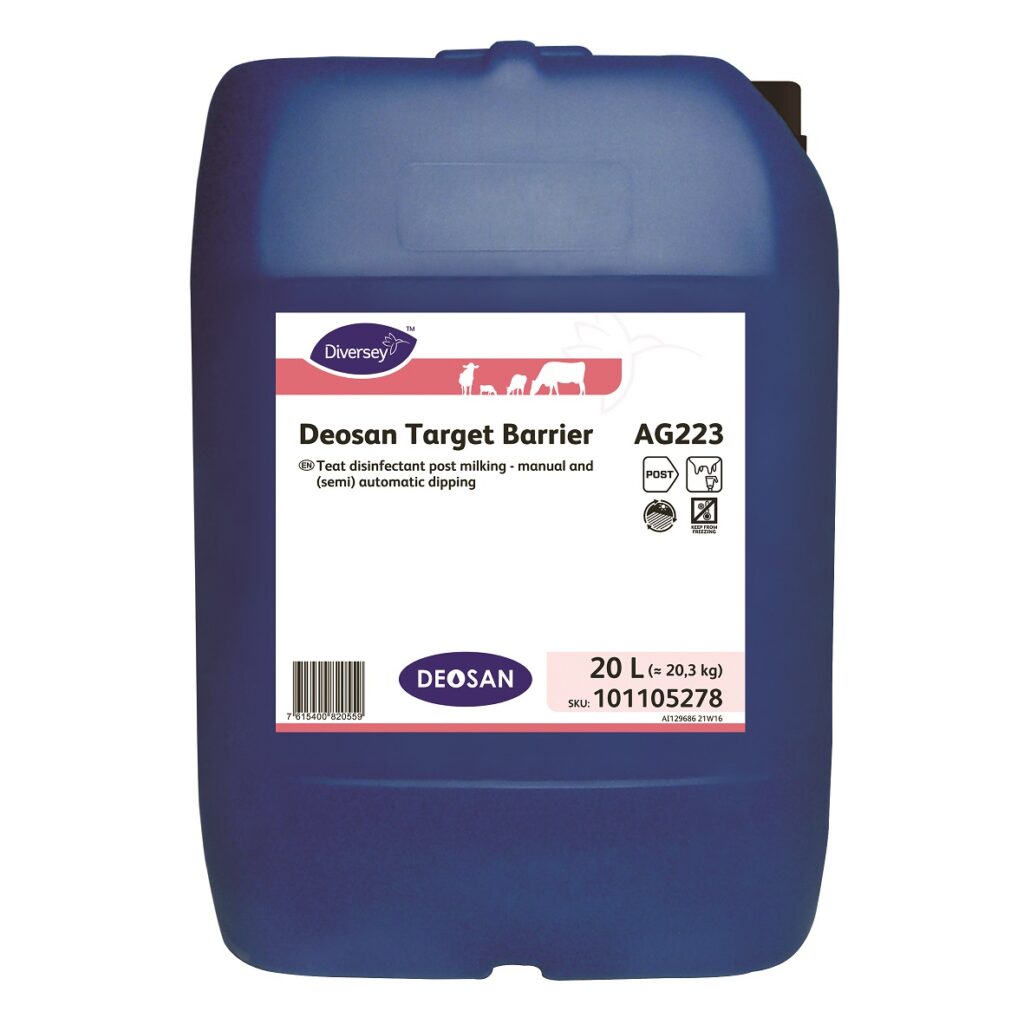
    Deosan Target Barrier 20L

    Ms Cox also said that barriers are seeing increased interest and are highly recommended at times of transition as challenges to the cow can lead to an increased risk of infection and teat health issues.

    “Some people continuously use barrier products on the whole herd, due to their experience in seeing how teat condition improves. Others may use selectively, for example, on the fresh calvers or on the whole herd during the period of reintroduction to winter housing. Those that have a block calving herd, and either turn out or bring in the cows close to that time, would be advised to consider this product.

    “Barriers also give the operator a direct ‘feel of each quarter’ at the end of milking with the dip application, enabling them to identify problems quickly, and encouraging prompt action to mastitis infection and teat skin issues if needed. This attention to detail can make significant differences in herd health and milk quality.

    “I appreciate many farms use a post-milking product in a spray application, however, I would strongly suggest this be reviewed. Strategic use of Target Barrier dip can reduce the potential infection challenge associated with changeable weather, transitional management or high-stress lactation periods by ensuring the continuity of teat skin condition and optimised teat disinfection. It is a relatively easy practice that could save time and reduce reactive costs in the long run, “she concluded.

    For more information go to www.diversey.com

    Tweet
    Share
    Share
    Pin
    Share. Facebook Twitter LinkedIn Email
    Previous ArticleNFU searches for new Student and Young Farmer Ambassadors
    Next Article Case IH announces return to European trade shows
    Matthew Tilt
    • Twitter
    • LinkedIn

    Machinery editor for Farm Contractor & Large Scale Farmer. Matt has worked as an agricultural machinery journalist for five years, following time spent in his family’s Worcestershire contracting business. When he’s not driving or writing about the latest farm equipment, he can be found in his local cinema, or with his headphones in, reading a good book.

    Read Similar Stories

    Saving seed for greater flexibility

    July 16, 2025

    Opportunities for minor crops amid SFI doubt

    July 7, 2025

    Webinars to launch revised regenagri standards

    June 7, 2024
    Most Read Stories

    Reaping the benefits of large scale slurry management

    December 4, 2025

    Farmers urged to check fertiliser security

    December 4, 2025

    Richard Western to highlight new products at Lamma

    December 3, 2025
    Farm Contractor & Large Scale Farmer

    The UK's leading agricultural machinery journal

    Twitter LinkedIn
    © 2024 MA Agriculture Ltd, a Mark Allen Group company

    Privacy Policy | Cookies Policy | Terms & Conditions

    • Farmers Weekly
    • AA Farmer
    • Poultry News
    • Pig World

    Type above and press Enter to search. Press Esc to cancel.