


Farm Contractor & Large Scale Farmer
    Twitter LinkedIn
    • FREE Email Newsletters
    • About Us
    • Advertise
    • Subscribe
    • Contact Us
    Twitter LinkedIn
    Podcast
    Farm Contractor & Large Scale Farmer
    • News
      • Arable & Agronomy
      • Dealership News
      • Environmental Land Management Scheme/Policy
      • Event News
      • Health & Safety
      • Machinery
      • People
      • World News
    • Farm Machinery
      • Amenity & Maintenance
      • Cultivations
      • Drilling
      • Grassland Equipment
      • Harvesting
      • Muck & Slurry
      • Sprayers
      • Telehandlers
      • Tractors
      • Tractor of the Year
      • Tyres & Tracks
      • Whatever happened to?
    • Precision Farming
    • Markets & Policy
    • Profiles
      • National Arable and Grassland Awards
      • Company Profiles
      • Reader Profiles
    • Livestock
      • Beef
      • Dairy
      • Sheep
    • Magazines
      1. May 2026
      2. April 2026
      3. March 2026
      4. 2026 Tyre Developments supplement
      5. February 2026
      6. January 2026
      7. December 2025
      8. November 2025
      9. 2025 Agritechnica preview
      10. October 2025 issue
      11. September 2025 issue
      12. August 2025 issue
      13. 2025 Drills and Seeds supplement
      14. July 2025 issue
      15. June 2025 issue
      16. Cereals event guide 2025
      17. May 2025 issue
      18. April 2025 issue
      19. March 2025 issue
      20. 2025 Tyre Developments supplement
      21. February 2025 issue
      22. National Arable and Grassland Awards supplement
      23. January 2025 issue
      24. December 2024 issue
      25. November 2024 issue
      26. October 2024 issue
      27. September 2024 issue
      28. August 2024 Issue
      29. 2024 Drills and Seeds supplement
      30. July 2024 Issue
      31. Cereals Supplement
      32. June 2024 Issue
      33. May 2024 Issue
      34. April 2024 Issue
      35. Tyres and Tracks Supplement
      36. March 2024 Issue
      37. National Arable & Grassland Award – Meet the Finalists
      38. February 2024 Issue
      39. January 2024 Issue
      40. December 2023
      41. Agritechnica Preview Supplement
      42. November 2023
      43. October 2023
      Featured

      May 2026 issue available now

      By Matthew TiltMay 1, 2026
      Recent

      May 2026 issue available now

      May 1, 2026

      April 2026 issue available now

      April 1, 2026

      March 2026 issue available now

      March 2, 2026
    • Events
    • Podcast
    Farm Contractor & Large Scale Farmer
    Arable & Livestock

    PGRO issue advice to pulse growers on integrating Stewardship option AB15

    Meghan TaylorBy Meghan TaylorFebruary 24, 20222 Mins Read
    Facebook Twitter LinkedIn Email
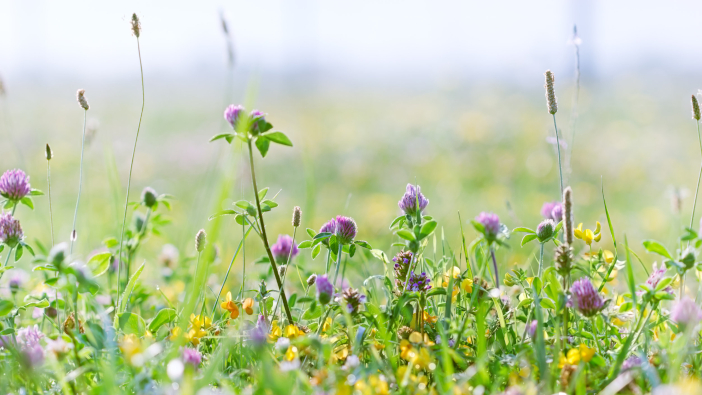
    Flowering clover - red clover
    Flowering clover - red clover

    The Processors and Growers Research Organisation (PGRO) has identified steps that farmers could take, to integrate Countryside Stewardship option AB15 into their rotations, while minimising the potential pest and disease risk to pulse crops.

    PGRO has suggested that the best practice for legume cropping suggests a rotation of one in six years, allowing at least five years between pulse crops to ensure the minimal build-up of pest and disease pressure in the soil.

    However, many farmers will be attracted to the Countryside Stewardship option AB15 which offers an attractive grant for a ‘two-year sown legume fallow’. The option has raised questions over whether the long-term presence of legumes in the soil may build up pathogen pressure.

    The PGRO suggests that there are steps growers can take to integrate the stewardship option into their rotations while also minimising any potential risks. 

    AB15’s two-year sown legume fallow option must comprise six flowering species, based on alsike clover, bird’s-foot trefoil, black medick, common vetch, lucerne and red clover. The mixture is to be sown at 15 to 20kgs/ha as appropriate for the described soil type.

    It is also advised that grasses such as cocksfoot, perennial ryegrass or timothy may be included to help smother blackgrass and other competitive grass weeds; the PGRO considers red clover and common vetch to pose the most significant risk, due to their association with footrot pathogens and stem and bulb nematodes.

    Tweet
    Share
    Share
    Pin
    Share. Facebook Twitter LinkedIn Email
    Previous ArticleCarbon farming, new policy and renewable energy opportunities discussed at Low Carbon Agriculture Show in March
    Next Article Opening the gates of progressive beef farming enterprises
    Meghan Taylor

    Journalist. Graduated from the University of Sussex with a degree in English and Art History. When not working I can be found riding my horses on the Ashdown Forest, reading, shopping, or cooking!

    Read Similar Stories

    Saving seed for greater flexibility

    July 16, 2025

    Opportunities for minor crops amid SFI doubt

    July 7, 2025

    Webinars to launch revised regenagri standards

    June 7, 2024
    Most Read Stories

    May 2026 issue available now

    May 1, 2026

    Bridgestone launches extra-large ag tyres

    April 30, 2026

    More than £2m grossed as Cheffins vintage auctions get underway

    April 30, 2026
    Farm Contractor & Large Scale Farmer

    The UK's leading agricultural machinery journal

    Twitter LinkedIn
    © 2024 MA Agriculture Ltd, a Mark Allen Group company

    Privacy Policy | Cookies Policy | Terms & Conditions

    • Farmers Weekly
    • AA Farmer
    • Poultry News
    • Pig World

    Type above and press Enter to search. Press Esc to cancel.