

Farm Contractor & Large Scale Farmer
    Twitter LinkedIn
    • FREE Email Newsletters
    • About Us
    • Advertise
    • Subscribe
    • Contact Us
    Twitter LinkedIn
    Podcast
    Farm Contractor & Large Scale Farmer
    • News
      • Arable & Agronomy
      • Dealership News
      • Environmental Land Management Scheme/Policy
      • Event News
      • Health & Safety
      • Machinery
      • People
      • World News
    • Farm Machinery
      • Amenity & Maintenance
      • Cultivations
      • Drilling
      • Grassland Equipment
      • Harvesting
      • Muck & Slurry
      • Sprayers
      • Telehandlers
      • Tractors
      • Tractor of the Year
      • Tyres & Tracks
      • Whatever happened to?
    • Precision Farming
    • Markets & Policy
    • Profiles
      • National Arable and Grassland Awards
      • Company Profiles
      • Reader Profiles
    • Livestock
      • Beef
      • Dairy
      • Sheep
    • Magazines
      1. November 2026
      2. October 2026
      3. September 2026
      4. August 2026
      5. 2026 Drills and Seeds supplement
      6. July 2026
      7. June 2026
      8. May 2026
      9. April 2026
      10. March 2026
      11. 2026 Tyre Developments supplement
      12. February 2026
      13. January 2026
      14. December 2025
      15. November 2025
      16. 2025 Agritechnica preview
      17. October 2025 issue
      18. September 2025 issue
      19. August 2025 issue
      20. 2025 Drills and Seeds supplement
      21. July 2025 issue
      22. June 2025 issue
      23. Cereals event guide 2025
      24. May 2025 issue
      25. April 2025 issue
      26. March 2025 issue
      27. 2025 Tyre Developments supplement
      28. February 2025 issue
      29. National Arable and Grassland Awards supplement
      30. January 2025 issue
      31. December 2024 issue
      32. November 2024 issue
      33. October 2024 issue
      34. September 2024 issue
      35. August 2024 Issue
      36. 2024 Drills and Seeds supplement
      37. July 2024 Issue
      38. Cereals Supplement
      39. June 2024 Issue
      40. May 2024 Issue
      41. April 2024 Issue
      42. Tyres and Tracks Supplement
      43. March 2024 Issue
      44. National Arable & Grassland Award – Meet the Finalists
      45. February 2024 Issue
      46. January 2024 Issue
      47. December 2023
      48. Agritechnica Preview Supplement
      49. November 2023
      50. October 2023
      Featured

      November 2026 issue available now

      By Matthew TiltNovember 1, 2026
      Recent

      November 2026 issue available now

      November 1, 2026

      October 2026 issue available now

      October 1, 2026

      September 2026 issue available now

      September 1, 2026
    • Events
    • Podcast
    Farm Contractor & Large Scale Farmer
    Beef

    Breeding success: tailoring genetics to your market and environment

    John SwireBy John SwireJune 30, 20214 Mins Read
    Facebook Twitter LinkedIn Email
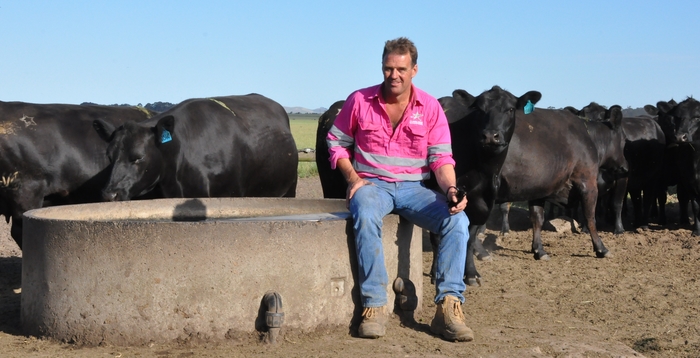
    Tom Gubbins

    “We know that there are certain traits in cattle that affect profitability but it’s not just a matter of breeding highly productive animals,” says Tom Gubbins, Director of world-class seedstock and breeding data business, Te Mania Angus, based in New South Wales, Australia. “We need to identify what drives the economics of the market we are targeting and how to fit that into the animals and the environment they are in.”

    Tom and his family have been focusing on genetic improvement since 1928 in their Te Mania Angus herd, which originated in New Zealand. They have 1800 females and bulls over 2700 hectares in Malt Lake, and, as well as an annual bull sale, they lease bulls as part of the Team Te Mania Progeny Test Program, which now has 45 herds across South Australia, Victoria and NSW. 

    In the third podcast in QMS’ international tour, Tom explains how Te Mania Angus uses a mix of genotypic and phenotypic (physical) observation to improve breeding to meet market requirements, working with producers, processors, researchers and technologists in Australia and beyond. 

    “We’ve identified 25 traits that have economic importance, from the more obvious growth rate and fertility to foot structure and eye muscle area,” he says. “By using the data, you can modify animals to what’s important to your market, capitalising on the benefits and suppressing the negatives to boost the profitability of your business.” 

    Highlighting the challenges and assets of beef farming in Scotland in comparison to Australia, Tom also recognises the need to respond to the growing environmental lobby. Te Mania’s cloud-based data collection and innovative software, developed in conjunction with the industry, allows for easy traceability and proven provenance which is becoming increasingly important to demonstrate environmental credentials:

    “Provenance is a big thing for us in Australia too, for restaurants and consumers, but in particular now for the genotypic data on Greenhouse Gases, and how it correlates with net feed intake. European and US shareholders in the big corporate farms are increasingly interested in investing in companies that are caring for the environment and that is more and more important in our decision-making. We need to address the perception of GHGs as an industry to give us social licence.”

    At first glance, when you look at the amount of gas that comes out of an animal and compare it to our global problem, it looks bad, he says:

    “But many things are not taken into consideration. The carbon cycle of a cow is around 12 years, whereas the cycle of the carbon that comes from the exhaust of a car is 300 million years. Ruminants are also fundamentally fantastic at converting food that is not fit for human consumption into a high-quality protein that humans can eat safely. I think we’re going to learn a lot about the role of the ruminants in feeding the human population in the next 50 years.”

    The Te Mania Angus philosophy is to breed sound, highly fertile cattle with calving ease, high growth rates and exceptional carcase quality. With his own herd, the main focus for Tom is long-fed, high marbling carcases for restaurant beef, which he sells to some of the best restaurants in Asia. 

    Podcast host Mark Stephen commented: “The point of this international podcast tour is to hear how other people around the world do what we do, and what we can learn from it. While the scale of what Tom is doing in Australia is very different, farmers across Scotland will be able to identify with his mission to breed beef cattle that make the most of their genetics and environment to meet market specifications.” 


    Tweet
    Share
    Share
    Pin
    Share. Facebook Twitter LinkedIn Email
    Previous ArticleDiversification still essential for farm estate growth, report reveals
    Next Article Kingshay report shows big herd health improvements
    John Swire

    Read Similar Stories

    Warning as bluetongue cases increase in Wales

    September 1, 2026

    Crop analysis could help boost silage quality

    March 30, 2026

    Kuhn adds compact Primor bedding and feeding unit

    February 25, 2026
    Most Read Stories

    Tractor of the Year 2027 – TotY Utilty – Tümosan 81.110 Evo

    November 3, 2026

    Tractor of the Year 2027 – TotY Utilty – Massey Ferguson 5S.145 Dyna-VT

    November 2, 2026

    Tractor of the Year 2027 – TotY Utilty – Landini 6-145 RS

    November 2, 2026
    Farm Contractor & Large Scale Farmer

    The UK's leading agricultural machinery journal

    Twitter LinkedIn
    © 2024 MA Agriculture Ltd, a Mark Allen Group company

    Privacy Policy | Cookies Policy | Terms & Conditions

    • Farmers Weekly
    • AA Farmer
    • Poultry News
    • Pig World

    Type above and press Enter to search. Press Esc to cancel.