

Farm Contractor & Large Scale Farmer
    Twitter LinkedIn
    • FREE Email Newsletters
    • About Us
    • Advertise
    • Subscribe
    • Contact Us
    Twitter LinkedIn
    Podcast
    Farm Contractor & Large Scale Farmer
    • News
      • Arable & Agronomy
      • Dealership News
      • Environmental Land Management Scheme/Policy
      • Event News
      • Health & Safety
      • Machinery
      • People
      • World News
    • Farm Machinery
      • Amenity & Maintenance
      • Cultivations
      • Drilling
      • Grassland Equipment
      • Harvesting
      • Muck & Slurry
      • Sprayers
      • Telehandlers
      • Tractors
      • Tractor of the Year
      • Tyres & Tracks
      • Whatever happened to?
    • Precision Farming
    • Markets & Policy
    • Profiles
      • National Arable and Grassland Awards
      • Company Profiles
      • Reader Profiles
    • Livestock
      • Beef
      • Dairy
      • Sheep
    • Magazines
      1. August 2026
      2. 2026 Drills and Seeds supplement
      3. July 2026
      4. June 2026
      5. May 2026
      6. April 2026
      7. March 2026
      8. 2026 Tyre Developments supplement
      9. February 2026
      10. January 2026
      11. December 2025
      12. November 2025
      13. 2025 Agritechnica preview
      14. October 2025 issue
      15. September 2025 issue
      16. August 2025 issue
      17. 2025 Drills and Seeds supplement
      18. July 2025 issue
      19. June 2025 issue
      20. Cereals event guide 2025
      21. May 2025 issue
      22. April 2025 issue
      23. March 2025 issue
      24. 2025 Tyre Developments supplement
      25. February 2025 issue
      26. National Arable and Grassland Awards supplement
      27. January 2025 issue
      28. December 2024 issue
      29. November 2024 issue
      30. October 2024 issue
      31. September 2024 issue
      32. August 2024 Issue
      33. 2024 Drills and Seeds supplement
      34. July 2024 Issue
      35. Cereals Supplement
      36. June 2024 Issue
      37. May 2024 Issue
      38. April 2024 Issue
      39. Tyres and Tracks Supplement
      40. March 2024 Issue
      41. National Arable & Grassland Award – Meet the Finalists
      42. February 2024 Issue
      43. January 2024 Issue
      44. December 2023
      45. Agritechnica Preview Supplement
      46. November 2023
      47. October 2023
      Featured

      August 2026 issue available now

      By Matthew TiltAugust 2, 2026
      Recent

      August 2026 issue available now

      August 2, 2026

      2026 Drills and Seeds supplement available now

      August 1, 2026

      July 2026 issue available now

      July 1, 2026
    • Events
    • Podcast
    Farm Contractor & Large Scale Farmer
    Dairy

    Could maize replace grass silage shortfalls?

    John SwireBy John SwireMay 13, 20213 Mins Read
    Facebook Twitter LinkedIn Email

    The cold and dry conditions in April significantly reduced grass growth. Many farmers were forced to take very early and light cuts of first cut grass silage as fields failed to bulk up as expected. Although recent rain came at the right time for aftermaths and could help improve second cut yields, inevitably many producers will need to plan to offset the consequences of reduced grass silage tonnages

    “With commodity and purchased feed prices remaining high, farmers were hoping for a good forage year to help reduced purchased feed costs per litre over the winter,” comments Tim Richmond from LG Seeds. “They will now need to review their stocks and plan to make up the shortfall and maize could be a valuable option in many parts of the country.”

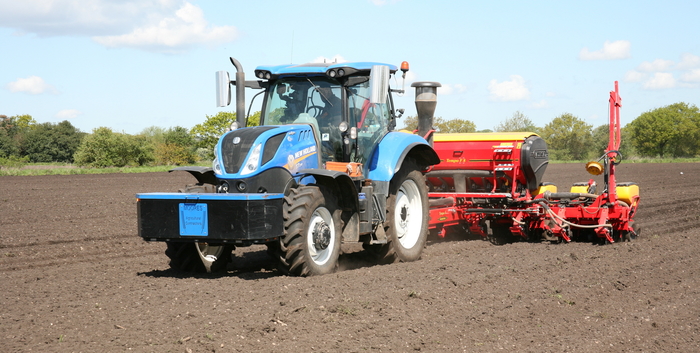
    While the recent warmer and wetter weather has been vital for grass growth, it also means soil conditions for drilling maize are ideal. Mr Richmond says soil temperatures are now perfect for maize establishment and the moisture will improve seed to soil contact.

    “Maize can be successfully drilled until the end of May and modern early maturing varieties will ensure crops are mature and ready to harvest in time to establish a successor crop. But it will be vital to choose a suitable variety.”

    Early maturing varieties require fewer Ontario Heat Units to reach maturity, and Mr Richmond advises selecting varieties which are FAO 160-180. In most parts of the country these can still be established and allow a harvest in good conditions in the autumn.

    “While late drilling can shorten the optimum growing season, very early varieties can require 10% fewer heat units and will soon catch up with earlier drilled crops. To help crops get away, we would also advise selecting varieties with good early vigour to ensure the plants quickly establish a good root system and leaf canopy to optimise nutrient uptake from the soil and photosynthetic rates.”

    Mr Richmond says modern early maturing maize varieties are also higher yielding than their predecessors.  They can produce high dry matter yields of around 16.5-18.3tDM/ha to help make up the forage shortfall.

    “Growing 10 hectares of a variety like Trooper which is FAO 170 would be expected to produce around 180 tonnes of dry matter, enough for an additional tonne of dry matter per day for a six-month winter which could be the difference between having enough forage and having to restrict forage intakes,”

    He also recommends selecting a variety with high cell wall digestibility. He explains that 50% of the energy is maize is in the vegetative parts of the plant. Increasing the cell wall digestibility makes more energy available to the cow and also helps support rumen function.

    “Maize offers the most assured way to increase forage output this year as no other crops will produce such high yields of quality forage in a shortened growing season. Growing maize also provides an opportunity to drill a successor crop for early bite in the spring to further increase forage availability.

    “Despite the cold spring we now have the warmth and moisture needed for crops to grow away quickly. This will be particularly important if maize follows grass as a rapidly growing crop will reduce the risk of potential wireworm attack.

    “However, if you decide to grow maize make sure to plant an early maturing variety with good early vigour to ensure the crop gets away quickly and will mature in good time.”

    Tweet
    Share
    Share
    Pin
    Share. Facebook Twitter LinkedIn Email
    Previous ArticleReal-time heat stress monitoring online
    Next Article Schaeffler extends INA range of auxiliary belt drive products
    John Swire

    Read Similar Stories

    First cut silage likely to face quality challenges

    April 8, 2026

    Crop analysis could help boost silage quality

    March 30, 2026

    New tech aims to cut antibiotics use in dairy herds

    March 2, 2026
    Most Read Stories

    Kuhn says growers should consider hardened, genuine parts in tough ground conditions

    August 6, 2026

    Arvum announces acquisition of Church of Bures to strengthen specialist seed capability

    August 6, 2026

    Yamaha focuses on ATVs in restructure

    August 6, 2026
    Farm Contractor & Large Scale Farmer

    The UK's leading agricultural machinery journal

    Twitter LinkedIn
    © 2024 MA Agriculture Ltd, a Mark Allen Group company

    Privacy Policy | Cookies Policy | Terms & Conditions

    • Farmers Weekly
    • AA Farmer
    • Poultry News
    • Pig World

    Type above and press Enter to search. Press Esc to cancel.