


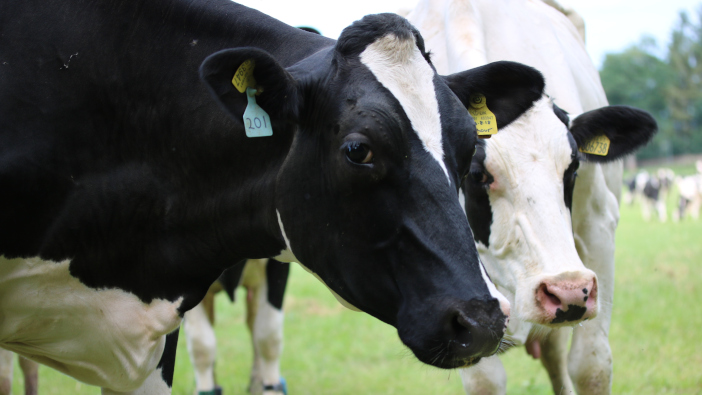
McArthur BDC is heading up a consortium of UK companies with the aim of reducing dairy sector emissions by cutting methane and replacing soya bean meal with homegrown faba bean.
“Methane from dairy cows is a major contributor to agricultural emissions. The InFaba Project will explore whether naturally occurring tannins in UK-grown faba beans could offer a home-grown route to lowering emissions in dairy herds,” said project director and managing director of McArthur BDC, John McArthur.
The consortium members are Processors and Growers Research Organisation (PGRO), Scotland’s Rural College (SRUC), Muller UK & Ireland and Farm Carbon Toolkit. Collectively, they have secured £1.9M from Defra’s funded Farming Innovation Programme delivered in partnership with Innovate UK, through the Farming Futures R&D Fund: Low Emission Farming Competition.
The three-year programme will develop and test two faba-based feed ingredients:
- A tannin-rich faba bean co-product from the feed sector will be assessed for its ability to influence rumen fermentation and reduce methane production.
- A heat-treated faba bean, processed to deliver more digestible protein and replace a significant proportion of imported soya bean meal in dairy diets.
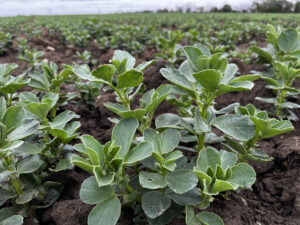 The aim is to kickstart a homegrown, low-emission protein industry, with further benefits including greater inclusion of pulses in arable rotations to boost soil health, improve water quality and support biodiversity.
“We have ambitious targets for scope 3 emissions reduction and opportunities like this could be a big step in the right direction,” said Phil Scott, retail group manager, Muller UK & Ireland. “Working with our farms gives us a direct route to test and scale this innovation, based on a 100% natural plant-based product, with the potential to cut emissions without compromising milk quality.”
“InFaba combines scientific depth with commercial practicality. The dairy sector needs solutions that work in the real world and deliver impact fast. Cutting methane, protecting and enhancing ecosystems and developing our homegrown protein industry are essential to the future of British agriculture. This project is designed to accelerate that transition,” concluded John McArthur.