


Farm Contractor & Large Scale Farmer
    Twitter LinkedIn
    • FREE Email Newsletters
    • About Us
    • Advertise
    • Subscribe
    • Contact Us
    Twitter LinkedIn
    Podcast
    Farm Contractor & Large Scale Farmer
    • News
      • Arable & Agronomy
      • Dealership News
      • Environmental Land Management Scheme/Policy
      • Event News
      • Health & Safety
      • Machinery
      • People
      • World News
    • Farm Machinery
      • Amenity & Maintenance
      • Cultivations
      • Drilling
      • Grassland Equipment
      • Harvesting
      • Muck & Slurry
      • Sprayers
      • Telehandlers
      • Tractors
      • Tractor of the Year
      • Tyres & Tracks
      • Whatever happened to?
    • Precision Farming
    • Markets & Policy
    • Profiles
      • National Arable and Grassland Awards
      • Company Profiles
      • Reader Profiles
    • Livestock
      • Beef
      • Dairy
      • Sheep
    • Magazines
      1. January 2026
      2. December 2025
      3. November 2025
      4. 2025 Agritechnica preview
      5. October 2025 issue
      6. September 2025 issue
      7. August 2025 issue
      8. 2025 Drills and Seeds supplement
      9. July 2025 issue
      10. June 2025 issue
      11. Cereals event guide 2025
      12. May 2025 issue
      13. April 2025 issue
      14. March 2025 issue
      15. 2025 Tyre Developments supplement
      16. February 2025 issue
      17. National Arable and Grassland Awards supplement
      18. January 2025 issue
      19. December 2024 issue
      20. November 2024 issue
      21. October 2024 issue
      22. September 2024 issue
      23. August 2024 Issue
      24. 2024 Drills and Seeds supplement
      25. July 2024 Issue
      26. Cereals Supplement
      27. June 2024 Issue
      28. May 2024 Issue
      29. April 2024 Issue
      30. Tyres and Tracks Supplement
      31. March 2024 Issue
      32. National Arable & Grassland Award – Meet the Finalists
      33. February 2024 Issue
      34. January 2024 Issue
      35. December 2023
      36. Agritechnica Preview Supplement
      37. November 2023
      38. October 2023
      Featured

      January 2026 issue available now

      By Matthew TiltJanuary 5, 2026
      Recent

      January 2026 issue available now

      January 5, 2026

      December 2025 issue available now

      December 1, 2025

      2025 Agritechnica preview supplement available now

      November 2, 2025
    • Events
    • Podcast
    Farm Contractor & Large Scale Farmer
    Arable & Agronomy

    Agronomist offers tips after delayed winter drilling

    Matthew TiltBy Matthew TiltNovember 7, 20243 Mins Read
    Facebook Twitter LinkedIn Email

    Mike Thornton, head of crop production at ProCam, is advising growers to be flexible when it comes to managing later-drilled winter wheat crops.

    He notes that the progress of drilling has varied widely across the country, with some seeing a repeat of last autumn’s washout, while other regions have made good progress.

    “There’s a considerable area of crops to be drilled after this year’s increased maize area and after root crops. Later drilling situations demand a considered approach. Respond don’t react. This was something highlighted last season.”

    To get the best out of later drilled crops, he suggests three areas for consideration.

    Take a step back

    “Later-drilled cereals need well-prepared seedbeds with a good tilth and good drainage. Often, crops that went wrong last season were ones that were mauled in.

    “If you can’t prepare a good seedbed, be prepared to wait until you can. Depending on the variety and situation, winter wheat can still be drilled into January and potentially into February in some in cases, so there’s still time. And we saw last season that later-drilled wheat can yield well, with less pressure from grassweeds, barley yellow dwarf virus and Septoria.

    “Clearly, it’s important to choose suitable varieties with later drilling, for example faster-developing types, and seed rates need increasing to account for heightened plant losses and reduced tillering. But these aren’t insurmountable.

    “That said, if getting on the land becomes too difficult, consider waiting and drilling a good spring crop rather than a poor winter one. We can’t predict what spring 2025 planting conditions will be like. But again, 2024 showed how well some spring crops can perform.”
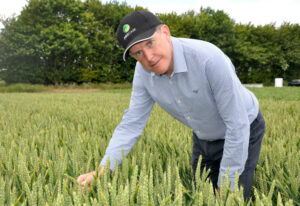
    Mike Thornton
    Don’t rule out the plough

    “Ploughing can improve drainage and reduce compaction, and crops that were planted after ploughing last season often fared better.

    “There’s a lot of soil damage left over from last season that needs rectifying, and there’ll be a lot of soil damage where maize crops have been harvested late in wet fields. So assess fields individually to judge whether the benefits of ploughing outweigh the costs.”

    Tailor inputs

    “Later-drilled crops generally have poorer root systems and fewer tillers. So a key aim is to stimulate lazy roots to become better at accessing nutrient reserves in the soil. Use soil testing to tell you the levels of key nutrients available. Then, manage each field on its merits.

    “Ensuring spring nitrogen (N) is applied suitably early is an important foundation. But nowadays there are more sophisticated options for boosting growth than simply adding a bit more N. These include foliar-applied biostimulants, or soil-acting ones if plants are small; phosphite treatments for rooting; and foliar-applied endophyte bacteria that fix and provide N inside the plant. So seek advice on what’s appropriate for your fields.

    “Later-drilled cereals are also more susceptible to slug damage. With a lot of weedy maize crops this season – due to missed herbicide applications – slug risks will be increased.

    “Later drilling also shortens the weather window for applying herbicides before fields become too wet to travel. So it might be appropriate to make one robust pre-emergence herbicide application rather than gambling on being able to apply a pre-em followed by a later top-up. That’s probably something to take advice on.”

    Tweet
    Share
    Share
    Pin
    Share. Facebook Twitter LinkedIn Email
    Previous ArticleNew conference set to tackle dependency on imported soya
    Next Article High-capacity push-off trailers for intensive silage operations
    Matthew Tilt
    • Twitter
    • LinkedIn

    Machinery editor for Farm Contractor & Large Scale Farmer. Matt has worked as an agricultural machinery journalist for five years, following time spent in his family’s Worcestershire contracting business. When he’s not driving or writing about the latest farm equipment, he can be found in his local cinema, or with his headphones in, reading a good book.

    Read Similar Stories

    New processing plant helps farming company grow

    December 15, 2025

    Can energy crops add resilience to your business?

    December 12, 2025

    World’s most northernly commercial olive grove completes first harvest

    December 8, 2025
    Most Read Stories

    Conagri to debut Bron brand in the UK

    January 9, 2026

    Can Kia EVs find a place on UK farms

    January 9, 2026

    Tractor registrations in December hit ten year low

    January 9, 2026
    Farm Contractor & Large Scale Farmer

    The UK's leading agricultural machinery journal

    Twitter LinkedIn
    © 2024 MA Agriculture Ltd, a Mark Allen Group company

    Privacy Policy | Cookies Policy | Terms & Conditions

    • Farmers Weekly
    • AA Farmer
    • Poultry News
    • Pig World

    Type above and press Enter to search. Press Esc to cancel.