

Farm Contractor & Large Scale Farmer
    Twitter LinkedIn
    • FREE Email Newsletters
    • About Us
    • Advertise
    • Subscribe
    • Contact Us
    Twitter LinkedIn
    Podcast
    Farm Contractor & Large Scale Farmer
    • News
      • Arable & Agronomy
      • Dealership News
      • Environmental Land Management Scheme/Policy
      • Event News
      • Health & Safety
      • Machinery
      • People
      • World News
    • Farm Machinery
      • Amenity & Maintenance
      • Cultivations
      • Drilling
      • Grassland Equipment
      • Harvesting
      • Muck & Slurry
      • Sprayers
      • Telehandlers
      • Tractors
      • Tractor of the Year
      • Tyres & Tracks
      • Whatever happened to?
    • Precision Farming
    • Markets & Policy
    • Profiles
      • National Arable and Grassland Awards
      • Company Profiles
      • Reader Profiles
    • Livestock
      • Beef
      • Dairy
      • Sheep
    • Magazines
      1. October 2026
      2. September 2026
      3. August 2026
      4. 2026 Drills and Seeds supplement
      5. July 2026
      6. June 2026
      7. May 2026
      8. April 2026
      9. March 2026
      10. 2026 Tyre Developments supplement
      11. February 2026
      12. January 2026
      13. December 2025
      14. November 2025
      15. 2025 Agritechnica preview
      16. October 2025 issue
      17. September 2025 issue
      18. August 2025 issue
      19. 2025 Drills and Seeds supplement
      20. July 2025 issue
      21. June 2025 issue
      22. Cereals event guide 2025
      23. May 2025 issue
      24. April 2025 issue
      25. March 2025 issue
      26. 2025 Tyre Developments supplement
      27. February 2025 issue
      28. National Arable and Grassland Awards supplement
      29. January 2025 issue
      30. December 2024 issue
      31. November 2024 issue
      32. October 2024 issue
      33. September 2024 issue
      34. August 2024 Issue
      35. 2024 Drills and Seeds supplement
      36. July 2024 Issue
      37. Cereals Supplement
      38. June 2024 Issue
      39. May 2024 Issue
      40. April 2024 Issue
      41. Tyres and Tracks Supplement
      42. March 2024 Issue
      43. National Arable & Grassland Award – Meet the Finalists
      44. February 2024 Issue
      45. January 2024 Issue
      46. December 2023
      47. Agritechnica Preview Supplement
      48. November 2023
      49. October 2023
      Featured

      October 2026 issue available now

      By Matthew TiltOctober 1, 2026
      Recent

      October 2026 issue available now

      October 1, 2026

      September 2026 issue available now

      September 1, 2026

      August 2026 issue available now

      August 2, 2026
    • Events
    • Podcast
    Farm Contractor & Large Scale Farmer
    Livestock

    Surplus lambs perform well on ewe milk replacer

    John SwireBy John SwireJanuary 8, 20183 Mins Read
    Facebook Twitter LinkedIn Email

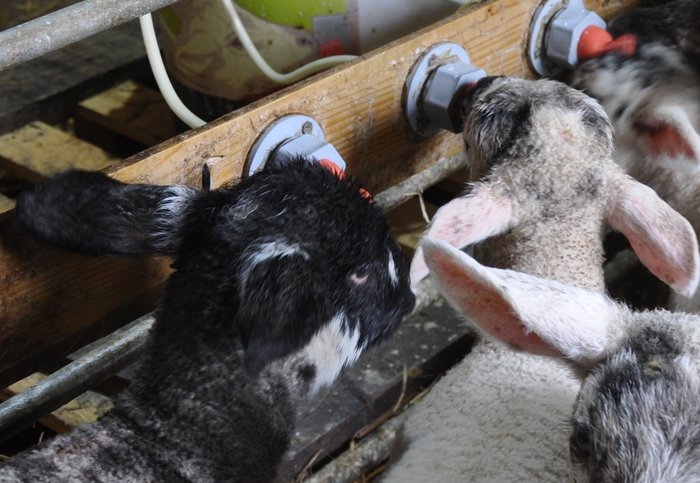
    Surplus lambs reared on performance-formulated lamb milk replacer, based on whey protein from cow’s milk, do just as well as lambs running naturally with the ewe.

    A study carried out at IBERS, Aberystwyth University, reports that the use of a colostrum alternative followed by good quality lamb milk replacer facilitates the successful rearing of surplus lambs. Lambs reared on milk replacer reached similar weaning weights to their naturally-reared counterparts and, when killed out, both carcass weight and conformation were comparable to that of lambs reared on the ewe, despite a slightly lighter body weight at slaughter.

    “The results of this trial clearly show that sheep farmers should be confident about rearing surplus lambs on performance-formulated lamb milk replacer, provided care is taken to maximise rumen development before weaning for lambs reared on an ad libitum system,” said Volac research scientist Dr Jessica Cooke.

    The results will be encouraging for the many sheep producers who have invested recently in automatic feeding of surplus lambs.

    “Enquiries about automatic milk feeding are at an all-time high in the sheep sector. Like calf rearers, farmers are undoubtedly attracted by the labour-saving benefits and the fact that machine-rearing frees up time to focus on other important jobs. But they also report faster growth rates because there is no limit to how much or when the lambs can drink,” said Volac nutritionist Abi Erian.

    Ms Erian added that it makes good sense to plan ahead for lambing this season and re-examine current surplus lamb rearing practices. “Basically, you have three options come lambing time: you either sell your extra lambs to someone else to rear, foster your surplus lambs onto a single-bearing ewe or artificially rear them on milk replacer.

    “If you intend to rear as many as you can to maximise your finished lamb sales, it’s good practice to take any third and fourth lambs off their mothers. This will help boost lamb survival rates and performance, and take the pressure off ewes trying to rear multiples. This is particularly important for young mothers and will help her keep growing and producing enough milk for the lambs she has left.”

    When deciding which lamb to remove from a triplet-bearing ewe, Ms Erian advised removing either the smallest or the largest one to leave a balanced pair. “Whichever lamb is chosen it must be sucking well, been with its mother for 24 hours after birth and have received a good supply of colostrum, particularly in the first six hours of life.”

    However, Volac stressed that machine rearing, whilst saving substantial time and rearing hassle, is certainly no substitute for good husbandry.

    “The IBERS trial highlighted the importance of maximising rumen development while rearing surplus lambs on ad libitum milk replacer. But sound hygiene is also crucial and lamb pens must be draught-free, and well drained and bedded to keep lambs as warm and dry as possible. In addition, clean, fresh water must be made available along with creep feed (18% crude protein) offered ad lib to encourage early intake. Follow these guidelines and you can be confident in rearing those extra lambs highly cost-effectively with margins of £15-£25 a lamb being achievable (over lifetime feed cost), based on previous years’ lamb prices,” Dr Cooke said.


    Tweet
    Share
    Share
    Pin
    Share. Facebook Twitter LinkedIn Email
    Previous ArticleGove: British Veterinary Association respond
    Next Article New cab option for Landini’s 68-88hp ‘workhorse’ 4-D Series tractor
    John Swire

    Read Similar Stories

    October 2026 issue available now

    October 1, 2026

    Warning as bluetongue cases increase in Wales

    September 1, 2026

    September 2026 issue available now

    September 1, 2026
    Most Read Stories

    Michelin launches new WorkxBib tyre for on- and off-road operations

    October 12, 2026

    Footprint Sheffield acquires Melco Products to continue specialist tool supply

    October 12, 2026

    TNS invests half a million in sprayer workshop

    October 12, 2026
    Farm Contractor & Large Scale Farmer

    The UK's leading agricultural machinery journal

    Twitter LinkedIn
    © 2024 MA Agriculture Ltd, a Mark Allen Group company

    Privacy Policy | Cookies Policy | Terms & Conditions

    • Farmers Weekly
    • AA Farmer
    • Poultry News
    • Pig World

    Type above and press Enter to search. Press Esc to cancel.