


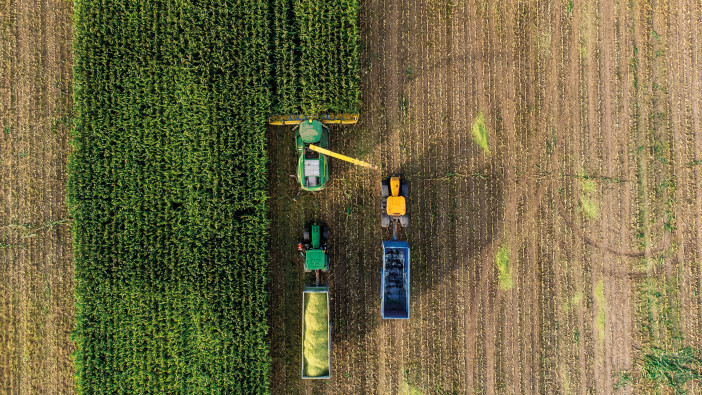
Contractors form a vital part of UK agriculture, with the NAAC reporting that over 91% of farmers use a contractor at some point during the year. With this in mind, we spoke to two contracting businesses about what growers should consider when hiring
James Alexander is owner of Primewest, which specialises in whole-farm contracting and zero-tillage operations. He says: “Communication is key – not just keeping in touch when things are going well, but picking up the phone when delays occur and letting the customer know that you will be late.”
He adds that farmers understand that things can go wrong, the weather can change, and that contractors are under pressure, but a quick phone call means a lot. “It’s easier than ever now, so there is no excuse. We have WhatsApp groups where farm owners can ask us questions and arrange meetings, and our operators have the phone numbers of the customers so they can keep in contact.”
Jonathan West, managing director of FGS Agri, agrees. “It’s part of being reliable. You need to be on site when you say or give notice if something unavoidable happens. If you don’t turn up, you won’t be asked back, and that customer will not be an advocate for you.”
Getting trained up
If we look at why farmers hire contractors, the answer is often that they do not have the land to justify investment in high-capacity kit, or the most up-to-date technology. Jonathan says this investment means little if staff members are not properly trained. “Technology can be a huge selling point for your business, and we always break down our quotes to show the different systems used to do the best possible job. However, it can also put you under a microscope. That fancy combine harvester will do just as bad a job as a basic one if the operator cannot use it effectively.”
Staff at FGS Agri are sent on training courses with manufacturers and take regular refresher classes online to keep their skill sets up to date. When new team members join, they are asked about their existing qualifications, and a schedule is put in place to bring them up to speed. “We’re actually seeing more customers ask about the training and qualifications of operators, so it’s a key selling point for our business.”
James says training is not only vital for ensuring a job is done to the standard expected, but also key to keeping staff on board. “Good operators are worth their weight in gold, so regular training is a benefit to both the farmer and the contractor. It gives them a sense of progression within the business.”
Retaining staff is also a sign of a good contractor, Jonathan adds. While some turnover of workers is expected in any business, farmers appreciate seeing the same faces year after year. “If an operator can turn up on farm; know the grower, know where the fields are and what needs to be done, it takes away a level of management required from either the farmer, or myself.”
Safety
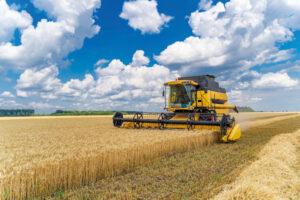
Dovetailed with the need for training is the need for vigilance during operations. Agriculture continues to have a terrible reputation when it comes to safety. For Jonathan, the focus on training and a culture of openness enables him to address safety concerns quickly.
“We require our operators to report everything that doesn’t meet standards,” he says. From an empty can of pop rolling around on the floor of the tractor, to a knocked-over gatepost, to a near miss or incident. This is not to penalise staff, but so that we can address events as they happen, without them getting worse.”
This culture is backed up not only by the regular training, but also through toolbox talks and catch-ups.
James notes that safety is a key part of the contractor offering. “If I look back at when we started, it was the jobs that required tickets that were the first to be outsourced from farms. That acknowledgement that contractors would keep up to date with the regulations, invest in the right equipment and do the job safely. We’re also insured to handle the work on other people’s land; an extra layer of security for the grower, and ourselves.”
A good contractor is priceless…
The whole industry is feeling the financial pressure now, and growers will be inclined to look for the cheapest option. However, mistakes in farming aren’t always instantaneous. The ramifications can last the entire season; from missed timings, to drills not being set up correctly, or combines losing grain with the straw.
Both James and Jonathan recognise the pressures on growers, but make it clear that the reasons one contractor may be more expensive than another is because they have made the investments in machinery and training that others may not have.
“Precision technology is an expense a lot of growers cannot justify, so we take on that cost. We ensure our staff are qualified to the standard required and we reinvest in machinery that has the scale to cover what our existing customers need, and what new customers may require,” James says.
He adds that they have, at times, been forced to have difficult conversations due to the fluctuations in fuel prices, and that the ability to have those frank talks are key to a good contractor-farmer relationship.
“Our fuel costs have gone up 60% since the conflict in the Middle East began. It puts a lot of strain on our cashflow, which affects our ability to maintain the pace of investment. Because we work closely with our growers, I can discuss surcharges and the reality of our situation.”
There will also be those willing to undercut you, but contractors cannot sacrifice profitability for more work. “You shouldn’t be afraid to say no to work, because those businesses that wilfully try to undercut are often only on farm for a season,” James says.
Jonathan explains that this is a key reason for him providing a written quote to all customers, with a breakdown of the technology and machinery that will be used.
“When the customer can see exactly what they are going to get as part of the service, it shows where we add value to operations. We also quote based on that day’s red diesel price, meaning the grower is aware that the price may go up or down as the market shifts.”
 Jill Hewitt, CEO of the NAAC, promotes working in partnership
As fuel prices continue to fluctuate, alongside rising input and machinery costs, a trusted partnership between farmers and contractors is increasingly important to improve productivity, sustainability, compliance and profitability for both parties.
The National Association of Agricultural Contractors (NAAC) provides its members with practical business support to help operators remain legally compliant and work safely. This gives farmers confidence that the job will be done professionally and efficiently by a business that meets recognised industry standards. This support is increasingly vital as farm profits tighten and farmers rely more on contractors to look after their most valuable assets — crops and livestock.
Innovation
As innovators and early adopters of new technology, contractors are bringing forward capital investment, spreading the cost of new machinery across thousands of hectares. This allows land managers access to cutting-edge ideas and innovation, while bringing skilled labour onto farms. Such collaboration can bring huge strides in productivity, with inputs being carefully managed and applied, soil being nurtured and outputs being monitored for maximum efficiency, while still protecting the environment.
Reducing risk is essential, and NAAC contractors can help with access to a safety-management pack, terms and conditions, and transport, legal and safety helplines. Members can also use specialist insurance, alongside a contracting prices tool designed to help manage costs and support long-term business security and longevity.
In modern agriculture, margins are under massive pressure. Farmers and contractors therefore need to work together, communicate clearly and build trusted relationships that strengthen resilience, improve performance and protect profitability over the long term.