


Farm Contractor & Large Scale Farmer
    Twitter LinkedIn
    • FREE Email Newsletters
    • About Us
    • Advertise
    • Subscribe
    • Contact Us
    Twitter LinkedIn
    Podcast
    Farm Contractor & Large Scale Farmer
    • News
      • Arable & Agronomy
      • Dealership News
      • Environmental Land Management Scheme/Policy
      • Event News
      • Health & Safety
      • Machinery
      • People
      • World News
    • Farm Machinery
      • Amenity & Maintenance
      • Cultivations
      • Drilling
      • Grassland Equipment
      • Harvesting
      • Muck & Slurry
      • Sprayers
      • Telehandlers
      • Tractors
      • Tractor of the Year
      • Tyres & Tracks
      • Whatever happened to?
    • Precision Farming
    • Markets & Policy
    • Profiles
      • National Arable and Grassland Awards
      • Company Profiles
      • Reader Profiles
    • Livestock
      • Beef
      • Dairy
      • Sheep
    • Magazines
      1. March 2026
      2. 2026 Tyre Developments supplement
      3. February 2026
      4. January 2026
      5. December 2025
      6. November 2025
      7. 2025 Agritechnica preview
      8. October 2025 issue
      9. September 2025 issue
      10. August 2025 issue
      11. 2025 Drills and Seeds supplement
      12. July 2025 issue
      13. June 2025 issue
      14. Cereals event guide 2025
      15. May 2025 issue
      16. April 2025 issue
      17. March 2025 issue
      18. 2025 Tyre Developments supplement
      19. February 2025 issue
      20. National Arable and Grassland Awards supplement
      21. January 2025 issue
      22. December 2024 issue
      23. November 2024 issue
      24. October 2024 issue
      25. September 2024 issue
      26. August 2024 Issue
      27. 2024 Drills and Seeds supplement
      28. July 2024 Issue
      29. Cereals Supplement
      30. June 2024 Issue
      31. May 2024 Issue
      32. April 2024 Issue
      33. Tyres and Tracks Supplement
      34. March 2024 Issue
      35. National Arable & Grassland Award – Meet the Finalists
      36. February 2024 Issue
      37. January 2024 Issue
      38. December 2023
      39. Agritechnica Preview Supplement
      40. November 2023
      41. October 2023
      Featured

      March 2026 issue available now

      By Matthew TiltMarch 2, 2026
      Recent

      March 2026 issue available now

      March 2, 2026

      2026 Tyre Developments supplement available now

      March 2, 2026

      February 2026 issue available now

      February 1, 2026
    • Events
    • Podcast
    Farm Contractor & Large Scale Farmer
    Arable & Agronomy

    Hutchinsons warns growers to take care with late-applied herbicides

    Matthew TiltBy Matthew TiltDecember 11, 20233 Mins Read
    Facebook Twitter LinkedIn Email
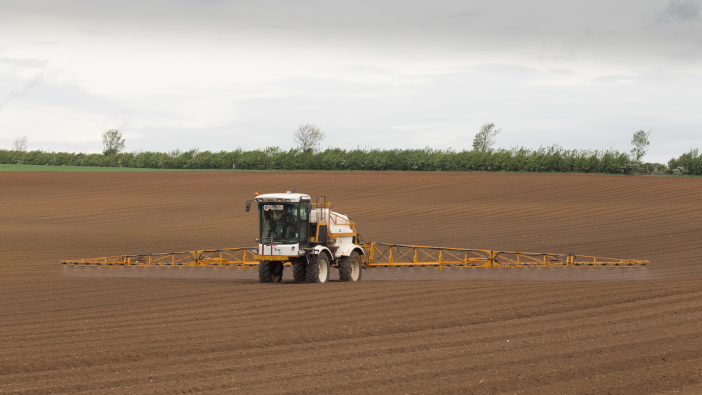
    Picture Tim Scrivener

    Growers planning to apply pre- or post-emergence herbicides in late-sown crops should be aware of potential risks to crop safety and efficacy if conditions are sub-optimal.

    The wet autumn has led to widespread disruption to the drilling of winter crops, with some looking to grab any opportunity to get seeds in the ground. However, Hutchinsons technical support manager Duncan Connabeer warns that wet soils may still present a challenge for establishment and weed control.

    “Where crops have been drilled or mauled in during late November, rough seedbeds will inevitably reduce the efficacy of residuals, and increase the risk of damage,” he said.

    Mr Connabeer added that crops which have been broadcast onto seedbed, rather than drilled, should not be treated with residual chemistry. This is not supported by chemical manufacturers and could lead to crop damage due to the seed germinating where the herbicide is active.

    In the case of winter beans, growers should avoid the temptation to apply pre-emergence herbicides when the crop is emerging or has already emerged.

    Further consideration should be given to crops that are water-stressed, he added. It’s possible that rooting will have been affected, which could increase the risk of crop damage.

    Many products should also not be used in waterlogged soils, including propyzamide on oilseed rape, although in such cases there is still sufficient time to get sprays on and still expect good efficacy before the application window closes at the end of January.

    “Where other crops are still to be drilled, we may yet see good conditions for product use, but there may be further tank mix and or timing constraints,” he explained. “Much of what, and/or when we can do things, will be greatly dependent on drilling depth, seedbed and soil conditions.”

    Growers should also remember that any crop sown after January is considered a spring crop by the HSE’s Chemical Regulation Division (CRD), which reduces the herbicide options available.

    Ideal conditions for BYDV

    The mild, wet autumn has been ideal for aphids, so Mr Connabeer recommends a pyrethroid for growers applying post-emergence herbicide on crops that have exceeded 170 day degrees since emergence or the last aphicide application.

    He added that while the latest cold spell will help to slow aphid activity, for those in high-risk areas it may be necessary to treat crops just for aphids if need be.

    “Grain aphid (Sitobion avenae) can take temperatures down to -8 degrees Celsius or more, while the bird cherry-oat aphid (Rhopalosiphum padi) is allegedly able to survive -0.5C for 24-48 hours.

    “Monitoring shows there is more virus in aphids this autumn, and there are plenty of them around, so applying treatment at the right time can be a worthwhile insurance policy to mitigate the risks. It only takes a mild day or two, and we’ll soon see more aphid flights, so growers in high-risk areas in particular need to be vigilant.”

    Waiting until the spring T0 fungicide is too late, he added. “A lot of the BYDV in the 2022/23 crop was spread in the winter/ early spring, before the T0 was applied. Also, remember that once crops reach growth stage 30 moving into 31, you don’t need to treat for aphids because the virus coming in after that stage is less significant and the damage will have already been done.”

    For more information go to www.hlhltd.co.uk

    Tweet
    Share
    Share
    Pin
    Share. Facebook Twitter LinkedIn Email
    Previous ArticleUFAC-UK introduces new sustainable feed alternatives
    Next Article Alliance announces new tyre for viticulture and fruit harvesting
    Matthew Tilt
    • Twitter
    • LinkedIn

    Machinery editor for Farm Contractor & Large Scale Farmer. Matt has worked as an agricultural machinery journalist for five years, following time spent in his family’s Worcestershire contracting business. When he’s not driving or writing about the latest farm equipment, he can be found in his local cinema, or with his headphones in, reading a good book.

    Read Similar Stories

    Trial data indicates biostimulant benefits against blight

    March 23, 2026

    Triplex aims for bespoke nutrition solutions

    March 11, 2026

    Yara urges growers to act now to protect waterlogged crops

    March 2, 2026
    Most Read Stories

    JCB launches new online parts store to boost uptime

    March 26, 2026

    Government lays out first-ever Land Use Framework for England

    March 23, 2026

    Trial data indicates biostimulant benefits against blight

    March 23, 2026
    Farm Contractor & Large Scale Farmer

    The UK's leading agricultural machinery journal

    Twitter LinkedIn
    © 2024 MA Agriculture Ltd, a Mark Allen Group company

    Privacy Policy | Cookies Policy | Terms & Conditions

    • Farmers Weekly
    • AA Farmer
    • Poultry News
    • Pig World

    Type above and press Enter to search. Press Esc to cancel.