

Farm Contractor & Large Scale Farmer
    Twitter LinkedIn
    • FREE Email Newsletters
    • About Us
    • Advertise
    • Subscribe
    • Contact Us
    Twitter LinkedIn
    Podcast
    Farm Contractor & Large Scale Farmer
    • News
      • Arable & Agronomy
      • Dealership News
      • Environmental Land Management Scheme/Policy
      • Event News
      • Health & Safety
      • Machinery
      • People
      • World News
    • Farm Machinery
      • Amenity & Maintenance
      • Cultivations
      • Drilling
      • Grassland Equipment
      • Harvesting
      • Muck & Slurry
      • Sprayers
      • Telehandlers
      • Tractors
      • Tractor of the Year
      • Tyres & Tracks
      • Whatever happened to?
    • Precision Farming
    • Markets & Policy
    • Profiles
      • National Arable and Grassland Awards
      • Company Profiles
      • Reader Profiles
    • Livestock
      • Beef
      • Dairy
      • Sheep
    • Magazines
      1. January 2026
      2. December 2025
      3. November 2025
      4. 2025 Agritechnica preview
      5. October 2025 issue
      6. September 2025 issue
      7. August 2025 issue
      8. 2025 Drills and Seeds supplement
      9. July 2025 issue
      10. June 2025 issue
      11. Cereals event guide 2025
      12. May 2025 issue
      13. April 2025 issue
      14. March 2025 issue
      15. 2025 Tyre Developments supplement
      16. February 2025 issue
      17. National Arable and Grassland Awards supplement
      18. January 2025 issue
      19. December 2024 issue
      20. November 2024 issue
      21. October 2024 issue
      22. September 2024 issue
      23. August 2024 Issue
      24. 2024 Drills and Seeds supplement
      25. July 2024 Issue
      26. Cereals Supplement
      27. June 2024 Issue
      28. May 2024 Issue
      29. April 2024 Issue
      30. Tyres and Tracks Supplement
      31. March 2024 Issue
      32. National Arable & Grassland Award – Meet the Finalists
      33. February 2024 Issue
      34. January 2024 Issue
      35. December 2023
      36. Agritechnica Preview Supplement
      37. November 2023
      38. October 2023
      Featured

      January 2026 issue available now

      By Matthew TiltJanuary 5, 2026
      Recent

      January 2026 issue available now

      January 5, 2026

      December 2025 issue available now

      December 1, 2025

      2025 Agritechnica preview supplement available now

      November 2, 2025
    • Events
    • Podcast
    Farm Contractor & Large Scale Farmer
    Arable & Agronomy

    Ergot management in cereals improved with updated guidance

    Safiatou Nedjou KonéBy Safiatou Nedjou KonéJuly 17, 20253 Mins Read
    Facebook Twitter LinkedIn Email

    A thorough review has enhanced AHDB guidance to help UK farmers cut ergot risk, reduce crop infection, and ensure grain quality.

    The ADAS-led review assessed both academic and industry stakeholders, including current ergot management guidelines.

    It outlined four key strategies published on the AHDB website, with more in Research Review 102.

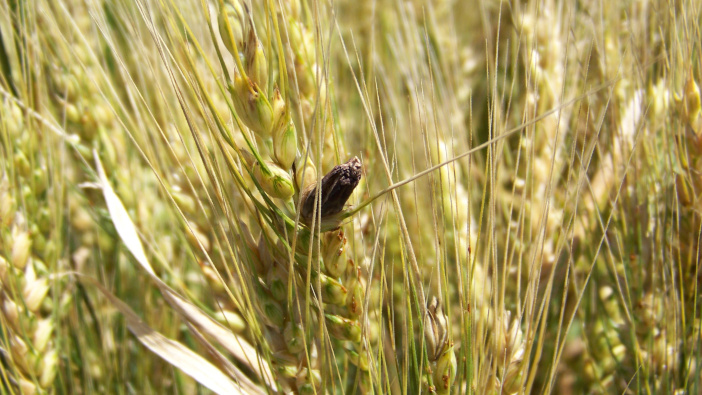
    The fungal pathogen, ergot (Claviceps purpurea) is highly toxic and infects UK cereals during flowering, forming hard, dark ergots in place of grain.

    GB sets ergot weight limits for feed grain and zero tolerance for others. In 2022, the EU introduced stricter rules, including maximum ergot alkaloid levels (affecting NI), now under UK review. Alkaloids, detectable even without visible symptoms, provide a tougher grain quality test.

    The ergot review was funded through a levy-payer-led process and developed with input from the Ergot Working Group, chaired by UK Flour Millers (UKFM).

    Joe Brennan, UKFM head of technical, said: “The AHDB contaminants monitoring project shows that ergot alkaloid levels in UK cereals are generally very low, but spikes are seen in some cereal samples in some years.

    “Ergot is adding costs across the cereal supply chain and contributing to food waste.”

    Management strategies

    The four strategies target key stages of the ergot life cycle, with the most impactful interventions outlined below:

    1. Reduce Initial Inoculum: limit viable ergot to prevent primary spore production. Key cultivations should include using clean seed and burying ergots at least 5 cm deep for a year. Ploughing is most effective, but any cultivation is better than direct drilling.
    2. Reduce infection risk: grow lower-risk crops to reduce infection. Effective interventions include rotating with non-cereal or less-susceptible cereals (from most to least susceptible: rye, triticale, wheat, barley, oats). Varieties with open flowers, longer flowering periods, or more late tillers are more at risk.
    3. Reduce secondary spread: control grass weeds to prevent spore sources. Ergot infects many grasses, including black-grass, which flowers early. Key interventions focus on integrated weed management to lower grass-weed pressure.
    4. Reduce contamination: Identify where ergot is and manage grain to protect clean crops.

    Harvest high-risk areas (e.g. headlands, tramlines, margins) separately where possible and keep contaminated grain isolated. Cleaning can help,p but may not fully remove small ergot fragments.

    Kristina Grenz, AHDB scientist (contaminants), said: “We now know far more about ergot. By mitigating ergot risks in the field and in grain, combined with modern production practices, we have a much greater ability to manage ergot than we did in the past.

    “The ergot management interventions will need careful integration in production systems, especially to deal with competing objectives, such as the use of reduced tillage or ergot-susceptible grass species in field margins.”

    The full set of interventions is available on the AHDB website: ahdb.org.uk/ergot

    Tweet
    Share
    Share
    Pin
    Share. Facebook Twitter LinkedIn Email
    Previous ArticleGiving more control in loader operations
    Next Article Large-scale Polish cultivation specialist eyes UK market for exports
    Safiatou Nedjou Koné

    Read Similar Stories

    New precision breeding project aims to rebuild OSR cropping

    January 28, 2026

    BASF and Adama partner to accelerate Gilboa fungicide products

    January 28, 2026

    Kubota to offer mechanical alternative to biostimulants

    January 21, 2026
    Most Read Stories

    New precision breeding project aims to rebuild OSR cropping

    January 28, 2026

    Kuhn adds new 6.1m hedgetrimmer model

    January 28, 2026

    BASF and Adama partner to accelerate Gilboa fungicide products

    January 28, 2026
    Farm Contractor & Large Scale Farmer

    The UK's leading agricultural machinery journal

    Twitter LinkedIn
    © 2024 MA Agriculture Ltd, a Mark Allen Group company

    Privacy Policy | Cookies Policy | Terms & Conditions

    • Farmers Weekly
    • AA Farmer
    • Poultry News
    • Pig World

    Type above and press Enter to search. Press Esc to cancel.