

On the 11th of February, the first ever Agronomy Exchange will take place at the Hilton Bankside, London.
The future of agriculture is one that will be here quicker than many may think. New diagnostic tools and AI are already changing the way agronomists operate. It doesn’t eliminate the need to be in a field, as ground truthing will still be required, but real-time, remote data generated from multiple sources and locations will turn what is primarily a field-based role into one data-driven.
The role will evolve too. As UK farming transitions to embrace nature and biodiversity, GHG emissions and a more sustainable and secure food system, so advisors will need to integrate this into the role of managing commercial crops.
Cropping for food and the environment
For farmers, the changes will be equally as profound. The need to produce food is matched by those environmental demands, changing consumer and retail demands, tighter regulation and ongoing climate extremes.
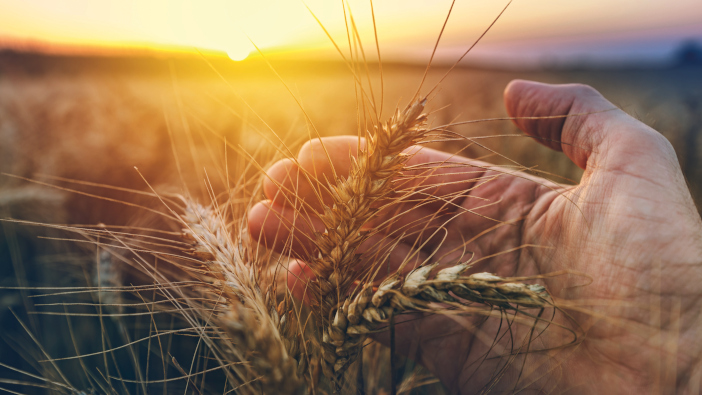
The need for a sustainable food system is bound to lead to a more diverse farming landscape in the future. The research into niche crops and bio-composites is gathering pace, and with genetic advances, a range of protein and biomass crops will make their way into mainstream agriculture
From a modest beginning, there are now more than 1,000 vineyards in the UK, and some farmers are experimenting with crops as diverse as olives and rice.
That farming will change is not in doubt, and the conference is your chance to hear from experts in AI and robotics, biochemistry and IPM, sustainability, and biodiversity and carbon, helping you shape and secure your future.
There will also be the chance to discuss funding your future with Barclays and Propel on hand to offer advice, as well as various exhibitors showcasing new thinking and technology.
It is also your chance to catch up with the latest thinking on nutritional strategies, soil health and resilience, and IPM strategies.
Agenda
9.00-9.30 – Registration opens and delegates have the chance to network over coffees and pastries
9.30-9.45 – Andrew Meredith will welcome those in attendance, introduce the theme of the conference and outline the objectives: collaboration, innovation and practical agronomy insights.
 9.45-10.10 – The Future of UK Agronomy in the Age of AI and Technology.
The keynote address will look to the future direction of UK agronomy, including evolving agricultural policy and sustainability goals, as well as the role of AI and emerging technologies.
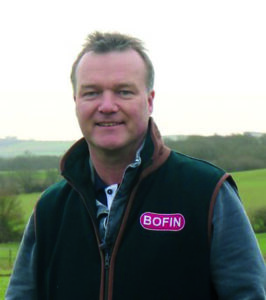
The keynote address will be given by Tom Allen-Stevens, an arable farmer and founder of the British On-Farm Innovation Network (BOFIN). He has extensive experience collaborating on field trials, focusing on technical innovation and plant breeding, and is a former director and chair of the Oxford Farming Conference.
10.10-10.50 – Soil Health as the Foundation of Resilient Farming.
As soil is the cornerstone of profitable and sustainable farming, this session will explore the latest soil science, as well as practical management strategies and on-farm experiences to help growers improve soil resilience and productivity.
Speakers include Elizabeth Stockdale, head of farming systems research at NIAB. She has over 25 years of experience in applied soil and nutrient management research and has been active in developing farmer-focused approaches to soil health measurement and toolkits for improved management.
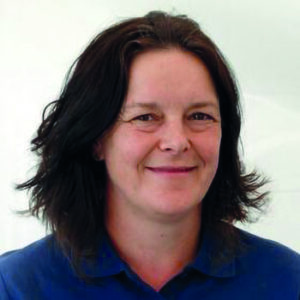
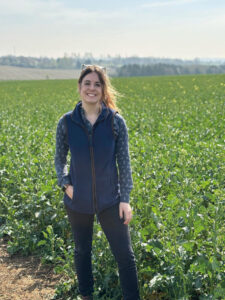
Joining Elizabeth is Emma Willis, head of arable agronomy at AHDB. Emma is a BASIS- and FACTS-qualified agronomist, supporting growers with integrated pest management, soil health and nutrient management. She is a member of the BASIS Environmental Advisers Register, for which she advises on environmental legislation and stewardship.
 10.50-11.20 – Greener Strategies – Rethinking Crop Protection for the Future.
A presentation on how UK growers can rethink crop protection under tighter regulation and with the threat of climate uncertainty and increased public scrutiny.
This will be given by Richard Oliver, special professor at Nottingham University. After completing a degree in biochemistry at Bristol University, Richard has lectured at the University of East Anglia, and has headed up projects to understand plant disease resistance and fungal pathogenicity, as well as working in Australia to understand necrotrophic diseases of grains; wheat septoria nodorum blotch and tan spot; barley net blotch (but also powdery mildew), and Ascochyta diseases grain legumes and Medicago truncatula. He has also written books on fungicides (CABI), wheat diseases (Burliegh Dodds) and the new edition of the general plant pathology textbook Agrios (Elsevier).
11.20-11.45 – Coffee Break
11.45-12.05 – Sink or Source? Ten Years of YEN Data.
Drawing on data from the Yield Enhancement Network (YEN), this session will examine whether cropping systems are acting as carbon sinks or sources, and what this could mean for productivity and sustainability, including practical lessons agronomists can use in the field.
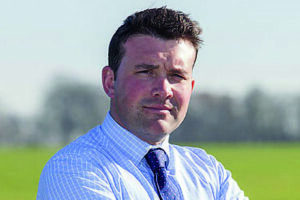
Nick Anderson, head of crop technology at Velcourt, will take part in the discussion. He is a consultant to a number of large farming businesses in Eastern Europe and the Commonwealth of Independent States (CIS) and works closely with Velcourt farm managers and agronomists to optimise cropping systems.
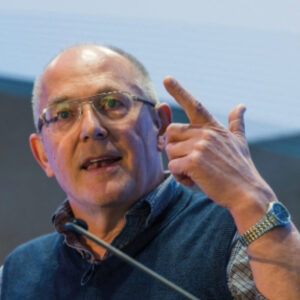
He will be joined by Prof Roger Sylvester-Bradley, head of crop performance at ADAS, who founded YEN and works on farm action research to improve our understanding of crop and food production. He is an honorary professor of temperate crop physiology at the University of Nottingham.
12.10-13.15 – Breakout Sessions.
Delegates will have the opportunity to join two of three breakout sessions ahead of lunch.
Data Driven Agronomy & Future Skills will look at how data, robotics and digital tools and transforming agronomy, and consider how agronomists can use these emerging technologies to improve decision-making.
Future-Proofed Cropping: Rotation & Nutrient Strategies will explore how strategic planning can balance yield, profitability and long-term ecosystem health, helping to shape resilient UK farms in the future.

Integrated Weed Control: Smarter Strategies for Arable Crops will combine cultural, mechanical and chemical control methods, with the use of precision technologies and decision-support tools, to show how growers can reduce their reliance on herbicides.
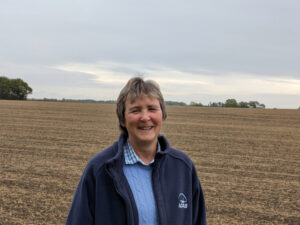
Speakers include Eliot Dixon, head of robotics and AI at the UK Agri-Tech Centre, where he supports the development of technologies and focuses on bridging the gap between technology and agriculture. Dr Sarah Cook, weed scientist at ADAS, will also join the breakout sessions. She is a senior research scientist with over 30 years of experience in weed control, spanning all areas of arable crop production.
13.15-14.15 – Networking Lunch and Exhibition Visit
14.15-15.00 – Case Study Spotlight: UK Farmers Leading the Way
Progressive UK farmers will share their agronomic journeys, including regenerative systems and organic practices. Each will discuss what worked, what didn’t, and the lessons that can be taken into the wider industry.
Richard Anthony, R & L Anthony, a two-time National Arable & Grassland Award winner and Welsh farmer, runs a diversified combinable cropping system with a long rotation and strong emphasis on soil health and sustainable production. He is also vice-chairman of the NFU Cymru Crops & Horticulture Board.
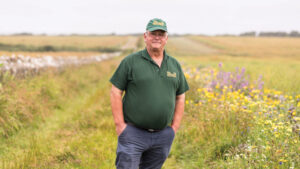
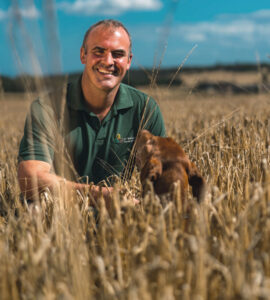
Another multi-award winning farmer will discuss their business, with David Bell whose Scottish farming business handles cereals, beef, potatoes and environmental enterprises, including contract farming ground. He is vice chair of AHDB Cereals & Oilseeds Sector Council, interim chair of SRUC and chair of the Voluntary Initiative and is active within NFUS.
15.00-15.45 – Net Zero Arable: Strategies for Agronomists: Driving carbon-neutral crops with smarter agronomy
This presentation will explore how agronomists and farmers can measure, manage and report on carbon, including details on soil carbon science and real-world experiences of integrating sustainability into commercial systems.
Liz Bowles, chief executive of the Farm Carbon Toolkit will head up the presentation. She has broad experience within UK agriculture, including greenhouse gas auditing, carbon removals into farmland, and voluntary carbon markets, and has held senior roles at the Soil Association, EFFP and ADAS.
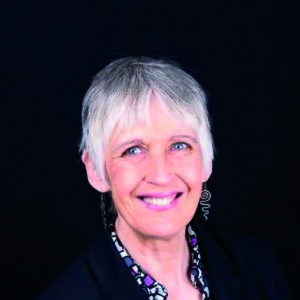
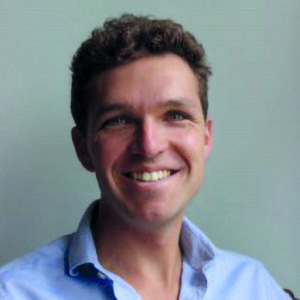
She will be joined by Digby Sowerby, managing director of the Environmental Farmers Group. His work has focused on shaping opportunities for farmers in the natural capital market, and prior to this worked on an agri-tech project for a rural scale-up.
15.45-16.15 – Coffee Break
16.15-17.05 – Financing the Tech Future
This session will explore how financing can enable the adoption of precision technologies, as well as look at common investment barriers, practical approaches to funding and the role agronomists can play in supporting clients.
17.05-17.30 – Closing Keynote: Agronomy 2050
At the close of the conference we will come together to celebrate the finalists and winners of the National Arable and Grassland Awards 2026, with drinks and a canape reception to follow. More details on the finalists can be found over the page.
The event is made possible by our sponsors, including principal sponsors Barclays/Propel Finance, who are joined by the Agronomy Edge platform, AHDB, Corteva Agriscience, Fielder, Nichino and QLF Agronomy.
There will also be opportunities throughout the day to speak to experts at the various exhibitor stands, including Gowan Crop Protection, Greenland Seeds, Optigene Limited, UPL and Yagro.
Tickets are still available. Head to www.agronomyexchange.com for more information