

Farm Contractor & Large Scale Farmer
    Twitter LinkedIn
    • FREE Email Newsletters
    • About Us
    • Advertise
    • Subscribe
    • Contact Us
    Twitter LinkedIn
    Podcast
    Farm Contractor & Large Scale Farmer
    • News
      • Arable & Agronomy
      • Dealership News
      • Environmental Land Management Scheme/Policy
      • Event News
      • Health & Safety
      • Machinery
      • People
      • World News
    • Farm Machinery
      • Amenity & Maintenance
      • Cultivations
      • Drilling
      • Grassland Equipment
      • Harvesting
      • Muck & Slurry
      • Sprayers
      • Telehandlers
      • Tractors
      • Tractor of the Year
      • Tyres & Tracks
      • Whatever happened to?
    • Precision Farming
    • Markets & Policy
    • Profiles
      • National Arable and Grassland Awards
      • Company Profiles
      • Reader Profiles
    • Livestock
      • Beef
      • Dairy
      • Sheep
    • Magazines
      1. June 2026
      2. May 2026
      3. April 2026
      4. March 2026
      5. 2026 Tyre Developments supplement
      6. February 2026
      7. January 2026
      8. December 2025
      9. November 2025
      10. 2025 Agritechnica preview
      11. October 2025 issue
      12. September 2025 issue
      13. August 2025 issue
      14. 2025 Drills and Seeds supplement
      15. July 2025 issue
      16. June 2025 issue
      17. Cereals event guide 2025
      18. May 2025 issue
      19. April 2025 issue
      20. March 2025 issue
      21. 2025 Tyre Developments supplement
      22. February 2025 issue
      23. National Arable and Grassland Awards supplement
      24. January 2025 issue
      25. December 2024 issue
      26. November 2024 issue
      27. October 2024 issue
      28. September 2024 issue
      29. August 2024 Issue
      30. 2024 Drills and Seeds supplement
      31. July 2024 Issue
      32. Cereals Supplement
      33. June 2024 Issue
      34. May 2024 Issue
      35. April 2024 Issue
      36. Tyres and Tracks Supplement
      37. March 2024 Issue
      38. National Arable & Grassland Award – Meet the Finalists
      39. February 2024 Issue
      40. January 2024 Issue
      41. December 2023
      42. Agritechnica Preview Supplement
      43. November 2023
      44. October 2023
      Featured

      June 2026 issue available now

      By Matthew TiltJune 1, 2026
      Recent

      June 2026 issue available now

      June 1, 2026

      May 2026 issue available now

      May 1, 2026

      April 2026 issue available now

      April 1, 2026
    • Events
    • Podcast
    Farm Contractor & Large Scale Farmer
    Dairy

    Precision key to cost effective milk production

    John SwireBy John SwireAugust 13, 20203 Mins Read
    Facebook Twitter LinkedIn Email

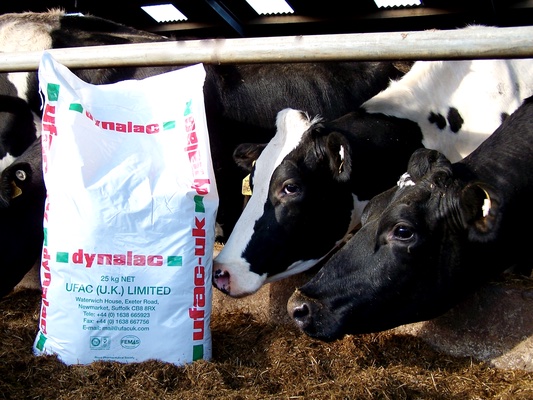
    If precision is key to cost-effective milk production, understanding the true energy values of fats will underpin building a successful diet for healthy, fertile dairy cows, explains nutritional supplement manufacturer UFAC-UK.

    The manufacturer of energy, protein and Omega 3 supplements advises of the need to look beyond just forage analysis, and also take a closer look at oils and fats if an accurate assessment of the energy content of feeds is to be achieved.

    Joe Magadi
    Joe Magadi

    “Of course, when formulating a diet, one of the key building blocks is a forage analysis and dairy farmers understand quality will vary and will plan to take this into account,” explains UFAC-UK technical manager, Joe Magadi.

    “Unfortunately, many will not consider the same targeted approach to fats, assuming all oil and fats will provide similar energy content when looking to build a diet. Nothing could be further from the truth.”

    Each fatty acid has a unique role in the animal, so it is important to ensure the right fatty acids are fed, in the correct balance, to meet the cow’s needs at different stages of lactation.

    While research has reaffirmed the need to ensure cows are receiving a balanced fatty acid supply, adequate in essential fatty acids, some ignore the huge role essential Omega 3 fatty acids, EPA and DHA, have in supporting the immune function and fertility during the transition period and early lactation period.

    Only by considering all of the fatty acids, and understanding how the balance in requirements will be affected by the stage of lactation, is it possible to optimise performance and health with tailored supplements, while also controlling feed costs.

    Mr Magadi adds, “While the gross energy of fats and oils is constant at 39MJ/kgDM, independent studies highlight several factors that will determine the overall Metabolisable Energy (ME) that is actually available to the cow.”

    These studies consider the following factors:

    • Actual oil content – fat products contain differing amounts of fatty acids
    • Digestibility – the digestibility of different fats and oils vary, which affects the amount actually available to the cow
    • Mix of fats – blends of oils and fats have a synergistic effect on energy yield. In simple terms blends of oils and fats supply around 7% more energy than a single fat product
    • The carrier – where a fat supplement includes a carrier, this in itself can be a source of energy.

    When comparing against other common fat supplements used on UK dairy farms, such as calcium soaps and high C:16 products, UFAC-UK’s Dynalac, a blended oil product supplied on a carrier, not only demonstrates proven performance on a fresh weight for fresh weight basis, but also cost saving and environmental benefits.

    “Because Dynalac is based on a blend of oils and fats, it has high digestibility due to the synergistic effect, with ME yield of 27MJ/kgDM,” explains Mr Magadi.

    “Calcium soaps on the other hand, although typically quoted as being 33MJ/kgDM, are actually only 26.2MJ/kgDM, mainly because of the lower digestibility.  The only way calcium soap could provide 33MJ per kg is if the fat was 100% digestible,” he adds.

    “Plus, we ought to remember that at higher levels of intake, calcium soap can affect dry matter intake with the reduction of the overall energy supplied by total diet.”

    Mr Magadi concludes, “When incorporating fats and oils in dairy cow diets, work out the true ME to ensure cows receive the energy they require and calculate pence/MJ to ensure you get the best margins.”

    Tweet
    Share
    Share
    Pin
    Share. Facebook Twitter LinkedIn Email
    Previous ArticleDeadline extended to September for English dairy response fund
    Next Article New agtech boost for UK’s top sheep breeding programme
    John Swire

    Read Similar Stories

    June 2026 issue available now

    June 1, 2026

    May 2026 issue available now

    May 1, 2026

    First cut silage likely to face quality challenges

    April 8, 2026
    Most Read Stories

    Opico adds spot sprayers to product portfolio

    June 1, 2026

    Dammann enters insolvency

    June 1, 2026

    June 2026 issue available now

    June 1, 2026
    Farm Contractor & Large Scale Farmer

    The UK's leading agricultural machinery journal

    Twitter LinkedIn
    © 2024 MA Agriculture Ltd, a Mark Allen Group company

    Privacy Policy | Cookies Policy | Terms & Conditions

    • Farmers Weekly
    • AA Farmer
    • Poultry News
    • Pig World

    Type above and press Enter to search. Press Esc to cancel.