

Farm Contractor & Large Scale Farmer
    Twitter LinkedIn
    • FREE Email Newsletters
    • About Us
    • Advertise
    • Subscribe
    • Contact Us
    Twitter LinkedIn
    Podcast
    Farm Contractor & Large Scale Farmer
    • News
      • Arable & Agronomy
      • Dealership News
      • Environmental Land Management Scheme/Policy
      • Event News
      • Health & Safety
      • Machinery
      • People
      • World News
    • Farm Machinery
      • Amenity & Maintenance
      • Cultivations
      • Drilling
      • Grassland Equipment
      • Harvesting
      • Muck & Slurry
      • Sprayers
      • Telehandlers
      • Tractors
      • Tractor of the Year
      • Tyres & Tracks
      • Whatever happened to?
    • Precision Farming
    • Markets & Policy
    • Profiles
      • National Arable and Grassland Awards
      • Company Profiles
      • Reader Profiles
    • Livestock
      • Beef
      • Dairy
      • Sheep
    • Magazines
      1. April 2026
      2. March 2026
      3. 2026 Tyre Developments supplement
      4. February 2026
      5. January 2026
      6. December 2025
      7. November 2025
      8. 2025 Agritechnica preview
      9. October 2025 issue
      10. September 2025 issue
      11. August 2025 issue
      12. 2025 Drills and Seeds supplement
      13. July 2025 issue
      14. June 2025 issue
      15. Cereals event guide 2025
      16. May 2025 issue
      17. April 2025 issue
      18. March 2025 issue
      19. 2025 Tyre Developments supplement
      20. February 2025 issue
      21. National Arable and Grassland Awards supplement
      22. January 2025 issue
      23. December 2024 issue
      24. November 2024 issue
      25. October 2024 issue
      26. September 2024 issue
      27. August 2024 Issue
      28. 2024 Drills and Seeds supplement
      29. July 2024 Issue
      30. Cereals Supplement
      31. June 2024 Issue
      32. May 2024 Issue
      33. April 2024 Issue
      34. Tyres and Tracks Supplement
      35. March 2024 Issue
      36. National Arable & Grassland Award – Meet the Finalists
      37. February 2024 Issue
      38. January 2024 Issue
      39. December 2023
      40. Agritechnica Preview Supplement
      41. November 2023
      42. October 2023
      Featured

      April 2026 issue available now

      By Matthew TiltApril 1, 2026
      Recent

      April 2026 issue available now

      April 1, 2026

      March 2026 issue available now

      March 2, 2026

      2026 Tyre Developments supplement available now

      March 2, 2026
    • Events
    • Podcast
    Farm Contractor & Large Scale Farmer
    Health & Safety

    Dangerous gases reported from silage pits

    Vicky LewisBy Vicky LewisJune 2, 20232 Mins Read
    Facebook Twitter LinkedIn Email

    Farmers are being urged to check for potentially dangerous gases after reports of yellow or brown fumes coming from silage pits.

    Nitrous oxide is one of many gases produced during the harvesting and ensilling period and it can change to nitrogen oxide when it comes into contact with oxygen. The risk of nitric acid inhalation is a serious threat to people and animals.
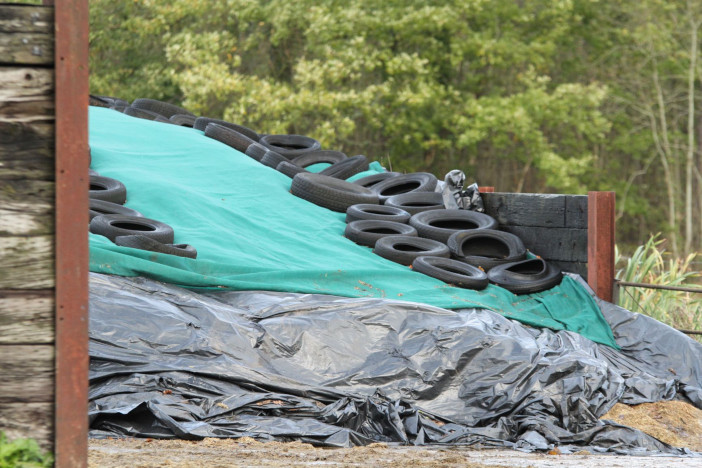
    dangerous gases in silage pits

    Charlotte Ward, ruminant technical manager at KW Feeds said: We believe the yellow/brown gas that has sometimes been seen is likely to be nitrous oxide. If so, and it was to expose those in proximity to nitric acid, we are looking at potentially life-threatening injury to people and animals.” 

    The fumes can cause irritation of the respiratory tract and, in extreme cases, can cause a potentially fatal pulmonary oedema.

    Ms Ward said: “It is important to note that nitrous oxide forms naturally when nitrates are broken down immediately after ensiling. We suspect the higher nitrate content in silage, due to the slow cold spring, may be exacerbating the situation. These are conditions we are not used to.

    “We advise to exercise extreme caution if there is even a slight indication that this is occurring. Do not breathe in near the areas where the gas is visible, or suspected. Tell-tale signs can include silage discolouration, often turning to a bright yellow-orange colour.” 

    While the gas is heavier than air, and usually dissolves in the moisture of wet grass silage within a few days, it may still be inhaled in close proximity.

    “It is important you let the gas dissipate and not let any people or animals near it, as if it does turn into nitric acid, skin may be burned and if inhaled, lung damage can occur. Once it has dissipated, usually within a few days, there should no longer be a problem and the silage should be safe to use. However, caution should be maintained,” continued Ms Ward. “This highlights the importance of taking pre-cut samples and sending for analysis to determine nitrate levels before cutting. Likewise, it is prudent to regularly sample silage, and monitor what is in your clamp.”

    Tweet
    Share
    Share
    Pin
    Share. Facebook Twitter LinkedIn Email
    Previous ArticleHartpury launch Digital Studio teaching facility
    Next Article Farm of the Future award launched by the Royal Agricultural Society
    Vicky Lewis

    Read Similar Stories

    New FCN short film highlights impact of cancer on rural families

    April 6, 2026

    April 2026 issue available now

    April 1, 2026

    Fairer funding needed to tackle rural crime

    March 23, 2026
    Most Read Stories

    Ford announces two new commercial vehicles

    April 14, 2026

    First quarter registrations by region and power

    April 14, 2026

    Compact spinning disc spreader offers benefits on hills

    April 13, 2026
    Farm Contractor & Large Scale Farmer

    The UK's leading agricultural machinery journal

    Twitter LinkedIn
    © 2024 MA Agriculture Ltd, a Mark Allen Group company

    Privacy Policy | Cookies Policy | Terms & Conditions

    • Farmers Weekly
    • AA Farmer
    • Poultry News
    • Pig World

    Type above and press Enter to search. Press Esc to cancel.