


Farm Contractor & Large Scale Farmer
    Twitter LinkedIn
    • FREE Email Newsletters
    • About Us
    • Advertise
    • Subscribe
    • Contact Us
    Twitter LinkedIn
    Podcast
    Farm Contractor & Large Scale Farmer
    • News
      • Arable & Agronomy
      • Dealership News
      • Environmental Land Management Scheme/Policy
      • Event News
      • Health & Safety
      • Machinery
      • People
      • World News
    • Farm Machinery
      • Amenity & Maintenance
      • Cultivations
      • Drilling
      • Grassland Equipment
      • Harvesting
      • Muck & Slurry
      • Sprayers
      • Telehandlers
      • Tractors
      • Tractor of the Year
      • Tyres & Tracks
      • Whatever happened to?
    • Precision Farming
    • Markets & Policy
    • Profiles
      • National Arable and Grassland Awards
      • Company Profiles
      • Reader Profiles
    • Livestock
      • Beef
      • Dairy
      • Sheep
    • Magazines
      1. March 2026
      2. 2026 Tyre Developments supplement
      3. February 2026
      4. January 2026
      5. December 2025
      6. November 2025
      7. 2025 Agritechnica preview
      8. October 2025 issue
      9. September 2025 issue
      10. August 2025 issue
      11. 2025 Drills and Seeds supplement
      12. July 2025 issue
      13. June 2025 issue
      14. Cereals event guide 2025
      15. May 2025 issue
      16. April 2025 issue
      17. March 2025 issue
      18. 2025 Tyre Developments supplement
      19. February 2025 issue
      20. National Arable and Grassland Awards supplement
      21. January 2025 issue
      22. December 2024 issue
      23. November 2024 issue
      24. October 2024 issue
      25. September 2024 issue
      26. August 2024 Issue
      27. 2024 Drills and Seeds supplement
      28. July 2024 Issue
      29. Cereals Supplement
      30. June 2024 Issue
      31. May 2024 Issue
      32. April 2024 Issue
      33. Tyres and Tracks Supplement
      34. March 2024 Issue
      35. National Arable & Grassland Award – Meet the Finalists
      36. February 2024 Issue
      37. January 2024 Issue
      38. December 2023
      39. Agritechnica Preview Supplement
      40. November 2023
      41. October 2023
      Featured

      March 2026 issue available now

      By Matthew TiltMarch 2, 2026
      Recent

      March 2026 issue available now

      March 2, 2026

      2026 Tyre Developments supplement available now

      March 2, 2026

      February 2026 issue available now

      February 1, 2026
    • Events
    • Podcast
    Farm Contractor & Large Scale Farmer
    Dairy

    Helping farmers make the most of forage this winter

    Matthew TiltBy Matthew TiltSeptember 5, 20223 Mins Read
    Facebook Twitter LinkedIn Email

    A long, dry summer has resulted in tight forage supplies and variable silage quality as farmers consider their feed rations this winter. Added to this, there is increased pressure to reduce the carbon footprint of feed, which is adding further challenges to farmers who are looking to maximise margins.

    The dry conditions have severely hampered silage quantity and quality, with the prolonged growing period (due to a mild winter) seeing increased levels of lignin.

    “This means it will be much harder for the rumen microbes to break down the silage fibre, which will slow digestion, cut passage rates and restrict intakes,” said Trident Feeds ruminant technical manager Charlotte Ward.
    Increasing fibre digestibility

    “It will be important to increase fibre digestibility to help improve feed efficiencies, in doing so boosting the potential to significantly increase milk production,” Ms Ward added.

    Fibre is an important energy source and vital for the correct rumen function, however, the energy is only available if this fibre is readily digestible. The ration must therefore be optimised, with balanced energy release. If it contains too many rapidly fermentable carbohydrates, this can create an excess of lactic acid leading to acidosis or sub-acute ruminal acidosis (SARA).

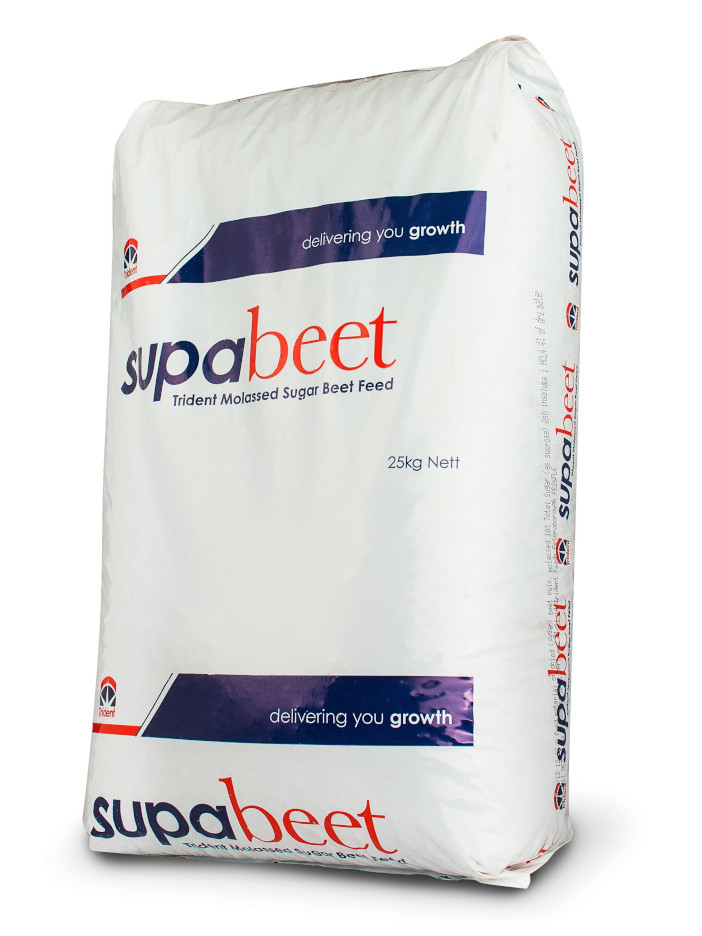
    “Many energy feeds contain high levels of starch and low levels of digestible fibre, which together can create an acidosis risk. A good solution is the digestible fibre in sugar beet feed, which breaks down in the rumen more slowly, providing a balanced source of energy supply,” said Ms Ward.

    Sugar beet is highly palatable, with the molasses added to many beet products helping to drive up intake and increase production. The digestible fibre in sugar beet is also known to promote milk fat production.

    A lower carbon footprint

    With a higher energy content than other sources of fibre, such as soya hulls, sugar beet feed also has a significantly lower carbon footprint.

    “UK-produced sugar beet feed is unique in being made only from fully traceable, non-GM, sugar beet grown on British farms,” explained Trident Feeds national sales manager Alistair Jackson. “This allows for very close control over quality throughout the feed production chain, from planting right through to the distribution of sugar beet feed on farm.”

    As a homegrown feed, it also has many environmental and sustainability benefits, with the Global Feed Lifecycle Analysis (GFLI) database showing that sugar beet feed has a quarter of the carbon footprint of that of imported soya hulls (460 Kg CO2eq/T versus 1,824 Kg CO2eq/T).

    “The result is a feed you can trust to perform consistently, reliably and economically, while boosting environmental credentials. For year-round improvement of rumen fermentation and production efficiency, British sugar beet feed really is very hard to beat,” concluded Mr Jackson.

    Tweet
    Share
    Share
    Pin
    Share. Facebook Twitter LinkedIn Email
    Previous ArticleTractor registrations see a minor increase in August
    Next Article Farm Sprayer Operator of the Year explains why he uses John Deere
    Matthew Tilt
    • Twitter
    • LinkedIn

    Machinery editor for Farm Contractor & Large Scale Farmer. Matt has worked as an agricultural machinery journalist for five years, following time spent in his family’s Worcestershire contracting business. When he’s not driving or writing about the latest farm equipment, he can be found in his local cinema, or with his headphones in, reading a good book.

    Read Similar Stories

    New tech aims to cut antibiotics use in dairy herds

    March 2, 2026

    McArthur BDC heads up consortium on to cut methane and soya in the dairy industry

    February 5, 2026

    Tithebarn launch new genetics division at Dairy-Tech

    February 4, 2026
    Most Read Stories

    Emyr Evans restores classic Massey Ferguson as part of anniversary celebrations

    March 11, 2026

    Triplex aims for bespoke nutrition solutions

    March 11, 2026

    BC Machinery looks to import quality kit

    March 11, 2026
    Farm Contractor & Large Scale Farmer

    The UK's leading agricultural machinery journal

    Twitter LinkedIn
    © 2024 MA Agriculture Ltd, a Mark Allen Group company

    Privacy Policy | Cookies Policy | Terms & Conditions

    • Farmers Weekly
    • AA Farmer
    • Poultry News
    • Pig World

    Type above and press Enter to search. Press Esc to cancel.