


Farm Contractor & Large Scale Farmer
    Twitter LinkedIn
    • FREE Email Newsletters
    • About Us
    • Advertise
    • Subscribe
    • Contact Us
    Twitter LinkedIn
    Podcast
    Farm Contractor & Large Scale Farmer
    • News
      • Arable & Agronomy
      • Dealership News
      • Environmental Land Management Scheme/Policy
      • Event News
      • Health & Safety
      • Machinery
      • People
      • World News
    • Farm Machinery
      • Amenity & Maintenance
      • Cultivations
      • Drilling
      • Grassland Equipment
      • Harvesting
      • Muck & Slurry
      • Sprayers
      • Telehandlers
      • Tractors
      • Tractor of the Year
      • Tyres & Tracks
      • Whatever happened to?
    • Precision Farming
    • Markets & Policy
    • Profiles
      • National Arable and Grassland Awards
      • Company Profiles
      • Reader Profiles
    • Livestock
      • Beef
      • Dairy
      • Sheep
    • Magazines
      1. March 2026
      2. 2026 Tyre Developments supplement
      3. February 2026
      4. January 2026
      5. December 2025
      6. November 2025
      7. 2025 Agritechnica preview
      8. October 2025 issue
      9. September 2025 issue
      10. August 2025 issue
      11. 2025 Drills and Seeds supplement
      12. July 2025 issue
      13. June 2025 issue
      14. Cereals event guide 2025
      15. May 2025 issue
      16. April 2025 issue
      17. March 2025 issue
      18. 2025 Tyre Developments supplement
      19. February 2025 issue
      20. National Arable and Grassland Awards supplement
      21. January 2025 issue
      22. December 2024 issue
      23. November 2024 issue
      24. October 2024 issue
      25. September 2024 issue
      26. August 2024 Issue
      27. 2024 Drills and Seeds supplement
      28. July 2024 Issue
      29. Cereals Supplement
      30. June 2024 Issue
      31. May 2024 Issue
      32. April 2024 Issue
      33. Tyres and Tracks Supplement
      34. March 2024 Issue
      35. National Arable & Grassland Award – Meet the Finalists
      36. February 2024 Issue
      37. January 2024 Issue
      38. December 2023
      39. Agritechnica Preview Supplement
      40. November 2023
      41. October 2023
      Featured

      March 2026 issue available now

      By Matthew TiltMarch 2, 2026
      Recent

      March 2026 issue available now

      March 2, 2026

      2026 Tyre Developments supplement available now

      March 2, 2026

      February 2026 issue available now

      February 1, 2026
    • Events
    • Podcast
    Farm Contractor & Large Scale Farmer
    Arable & Agronomy

    Blight control requires ‘clarity of thought’ says ProCam

    Matthew TiltBy Matthew TiltMay 16, 20243 Mins Read
    Facebook Twitter LinkedIn Email

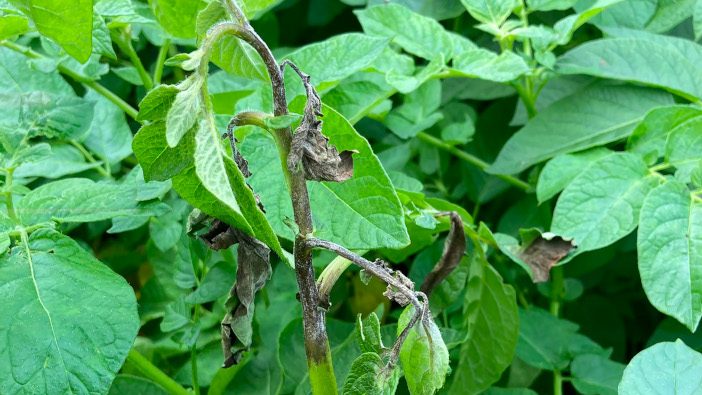
    UK growers will need to develop alternative protection strategies to control potato blight following the confirmation of the withdrawal of mancozeb and growing resistance to other fungicides.

    While other active ingredients are available, the rules and regulations surrounding their use and application intervals aren’t straightforward.

    “For example, instead of being able to apply three consecutive applications of CAA (carboxylic acid amide) fungicides, the latest FRAC (Fungicide Resistance Action Committee) guidance is that these should now be limited to a maximum of two consecutive applications,” said ProCam agronomist, Harry James.

    “That’s a sensible recommendation based on the loss of efficacy of this group of fungicides on the continent, with crop protection manufacturers such as Syngenta going a step further by advocating the use of mandipropamid in alternation with fungicides with a different mode of action.”

    Resistance to oxathapiprolin (Zorvec) has been confirmed in some parts of northern continental Europe, with the post-application interval being reduced to seven days as a result and regulations stating that it must be alternated with non-CAA chemistry.

    “This will make it more labour-intensive and time-consuming to keep crops clean,” Harry added. “Especially as this key active no longer provides a curative effect. Instead, it can only be relied on to deliver preventative activity which means sprays will need to be applied on time every time in order for crops to remain protected.

    “To avoid any confusion that the new rules might introduce, and to ensure they don’t fall foul to the same resistance woes that their European counterparts are already dealing with, UK potato growers should seek professional advice from their agronomist to help them devise a suitable blight programme for this season and beyond.”

    While resistance hasn’t been confirmed in UK crops, the risk has been escalated by the shortfall of British seed potatoes, meaning that resistant strains could be introduced through imports.

    “The high incidence of foliar and tuber blight in continental seed crops means there’s a very real risk of resistance affecting British crops,” Harry explained. “For that reason, anti-resistance strategies – alternating modes of action and limiting the exposure of any single active – must be followed from the outset.

    “Keeping a close eye on resistance updates throughout the season will be essential, as will taking professional advice to devise a suitable spray programme, not least because the ever-changing legislative position and evolving resistance situation will make keeping abreast of the latest rules that much more complex.

    “But, with careful planning, growers and their agronomists should still be able to achieve good levels of blight control and stay ahead of the threat of resistance. It must be stressed, however, that the key to reliable control will be to adapt programmes according to weather conditions and to use forecasting tools to determine when the threat of blight is at its highest. Cultural controls, such as selecting varieties with better natural blight resistance, and taking extra care to remove volunteer potatoes from dumps and other crops in the rotation should also be factored into the equation.

    “Nothing, however, will beat getting into the field and putting boots on the ground to assess the crop, the severity of disease pressure and if a blight infection has occurred.”

    For more information go to www.procam.co.uk

    Tweet
    Share
    Share
    Pin
    Share. Facebook Twitter LinkedIn Email
    Previous ArticleAston University working to make crop monitoring easier and cheaper
    Next Article Oilseed rape still a viable option despite recent challenges
    Matthew Tilt
    • Twitter
    • LinkedIn

    Machinery editor for Farm Contractor & Large Scale Farmer. Matt has worked as an agricultural machinery journalist for five years, following time spent in his family’s Worcestershire contracting business. When he’s not driving or writing about the latest farm equipment, he can be found in his local cinema, or with his headphones in, reading a good book.

    Read Similar Stories

    Triplex aims for bespoke nutrition solutions

    March 11, 2026

    Yara urges growers to act now to protect waterlogged crops

    March 2, 2026

    Timac Agro launches Infolen in the UK

    March 2, 2026
    Most Read Stories

    Emyr Evans restores classic Massey Ferguson as part of anniversary celebrations

    March 11, 2026

    Triplex aims for bespoke nutrition solutions

    March 11, 2026

    BC Machinery looks to import quality kit

    March 11, 2026
    Farm Contractor & Large Scale Farmer

    The UK's leading agricultural machinery journal

    Twitter LinkedIn
    © 2024 MA Agriculture Ltd, a Mark Allen Group company

    Privacy Policy | Cookies Policy | Terms & Conditions

    • Farmers Weekly
    • AA Farmer
    • Poultry News
    • Pig World

    Type above and press Enter to search. Press Esc to cancel.