


Farm Contractor & Large Scale Farmer
    Twitter LinkedIn
    • FREE Email Newsletters
    • About Us
    • Advertise
    • Subscribe
    • Contact Us
    Twitter LinkedIn
    Podcast
    Farm Contractor & Large Scale Farmer
    • News
      • Arable & Agronomy
      • Dealership News
      • Environmental Land Management Scheme/Policy
      • Event News
      • Health & Safety
      • Machinery
      • People
      • World News
    • Farm Machinery
      • Amenity & Maintenance
      • Cultivations
      • Drilling
      • Grassland Equipment
      • Harvesting
      • Muck & Slurry
      • Sprayers
      • Telehandlers
      • Tractors
      • Tractor of the Year
      • Tyres & Tracks
      • Whatever happened to?
    • Precision Farming
    • Markets & Policy
    • Profiles
      • National Arable and Grassland Awards
      • Company Profiles
      • Reader Profiles
    • Livestock
      • Beef
      • Dairy
      • Sheep
    • Magazines
      1. September 2026
      2. August 2026
      3. 2026 Drills and Seeds supplement
      4. July 2026
      5. June 2026
      6. May 2026
      7. April 2026
      8. March 2026
      9. 2026 Tyre Developments supplement
      10. February 2026
      11. January 2026
      12. December 2025
      13. November 2025
      14. 2025 Agritechnica preview
      15. October 2025 issue
      16. September 2025 issue
      17. August 2025 issue
      18. 2025 Drills and Seeds supplement
      19. July 2025 issue
      20. June 2025 issue
      21. Cereals event guide 2025
      22. May 2025 issue
      23. April 2025 issue
      24. March 2025 issue
      25. 2025 Tyre Developments supplement
      26. February 2025 issue
      27. National Arable and Grassland Awards supplement
      28. January 2025 issue
      29. December 2024 issue
      30. November 2024 issue
      31. October 2024 issue
      32. September 2024 issue
      33. August 2024 Issue
      34. 2024 Drills and Seeds supplement
      35. July 2024 Issue
      36. Cereals Supplement
      37. June 2024 Issue
      38. May 2024 Issue
      39. April 2024 Issue
      40. Tyres and Tracks Supplement
      41. March 2024 Issue
      42. National Arable & Grassland Award – Meet the Finalists
      43. February 2024 Issue
      44. January 2024 Issue
      45. December 2023
      46. Agritechnica Preview Supplement
      47. November 2023
      48. October 2023
      Featured

      September 2026 issue available now

      By Matthew TiltSeptember 1, 2026
      Recent

      September 2026 issue available now

      September 1, 2026

      August 2026 issue available now

      August 2, 2026

      2026 Drills and Seeds supplement available now

      August 1, 2026
    • Events
    • Podcast
    Farm Contractor & Large Scale Farmer
    Arable & Agronomy

    Hutchinsons offers advice on establishing cover and catch crops

    Matthew TiltBy Matthew TiltAugust 1, 20223 Mins Read
    Facebook Twitter LinkedIn Email
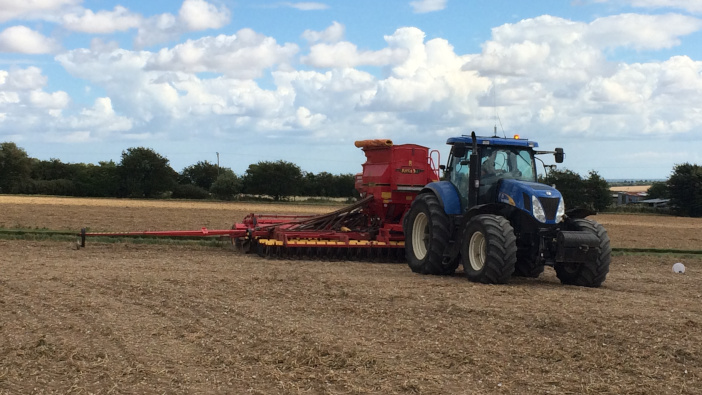
    Establishing cover crops 2

    With harvest well underway, the establishment of cover and catch crops will be at the front of many farmers’ minds. However, Hutchinsons’ technical manager Dick Neale is warning that moisture may be in short supply.

    “As we are aware, weather can change rapidly with hot dry periods often coming to an abrupt end, however despite a small amount of rain being forecast into the beginning of August, it is not predicted to significantly change the dry status of soils sufficiently to sustain good growth.

    “Establishment of catch crops, cover crops or oilseed rape is therefore likely to be extremely difficult currently, and the use of catch crops after forage rye, vining peas and winter barley are also unlikely to be successful for now.”
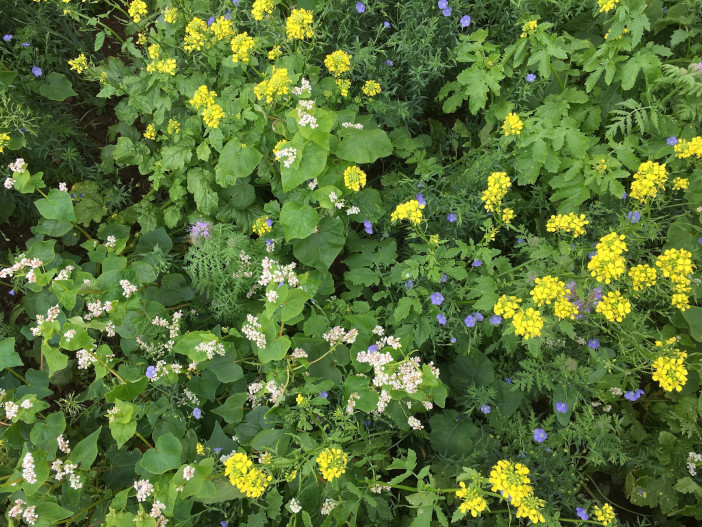
    Multispecies cover crop

    He added that the lack of soil moisture should override all other factors regarding species mix or drill dates. “Where soil moisture levels are higher, say further north or in the west, it is key to plan cover or catch crops with the desired outcomes in mind.

    “Cover cropping is not new but in the rush to sell options or ‘keep it cheap’ at the farm level, it is important not to overlook some fundamental realities. Think about the following crop, intended drilling date, available equipment (topper) or livestock (grazing) and drill type.”

    Mr Neale explained that growers need to carefully choose the mix or ratio of species based on soil management needs, aggregation, moisture management, surface structuring, weed suppression and nutrient fixing.

    “For example, multiple species are useful to ensure the reliable establishment, ensure rooting is engaged throughout the soil profile, bring diversity into the rotation and ultimately balance the potential negatives of any individual species.

    “In conditions such as those currently being experienced, with ground cleared by end of July but soils remaining dry, provided there is a least sufficient moisture to achieve germination, then consider C4 plants such as millet and sunflower as these will tolerate dry soils far better than brassicas or legumes,” said Mr Neale.

    “Linseed and buckwheat can also be added as they are more robust in drier conditions.” He warned that cover crop failures are often the result of expectations being too high, particularly when combining is completed before cover sowing is even contemplated – valuable growing time is lost.

    “Often cover crop seed is broadcast onto dry stubble – this is not going to work. Termination timing is vitally important as covers move and manage moisture within the soil, which is generally a good thing during the autumn growth period, but can rapidly switch to upper soil wetting in later winter and early spring, so this needs to be avoided.”

    Establishing cover crops (is like any other crop)

    • Drill into a moist, growing seedbed with good seed-to-soil contact at the correct depth;
    • Drill at the correct time;
    • The cover crop seedbed develops into the next cash crop seedbed, so it’s important to get it right;
    • In a single year, the financial outcome of a cover crop is likely to be neutral at best, with a positive financial outcome being cumulative across the rotation;
    • Consider mixed species that are suitable to the conditions.
    Tweet
    Share
    Share
    Pin
    Share. Facebook Twitter LinkedIn Email
    Previous ArticleMachinery Matters: DeployTech offers new water storage solutions
    Next Article Sea port changes leaves Dorset business unable to fulfil orders
    Matthew Tilt
    • Twitter
    • LinkedIn

    Machinery editor for Farm Contractor & Large Scale Farmer. Matt has worked as an agricultural machinery journalist for five years, following time spent in his family’s Worcestershire contracting business. When he’s not driving or writing about the latest farm equipment, he can be found in his local cinema, or with his headphones in, reading a good book.

    Read Similar Stories

    De Sangosse and ADAS launch new phosphate stewardship hub

    September 1, 2026

    Second Harvest Report shows yield and quality variation

    August 20, 2026

    Hybrid oilseed rape impresses in North Yorkshire

    August 13, 2026
    Most Read Stories

    Vogelsang joins forces with BeTec

    September 2, 2026

    Michelin adds tracks to its portfolio and sells off Camso brand

    September 2, 2026

    Agrifac introduces new electric driveline platform

    September 2, 2026
    Farm Contractor & Large Scale Farmer

    The UK's leading agricultural machinery journal

    Twitter LinkedIn
    © 2024 MA Agriculture Ltd, a Mark Allen Group company

    Privacy Policy | Cookies Policy | Terms & Conditions

    • Farmers Weekly
    • AA Farmer
    • Poultry News
    • Pig World

    Type above and press Enter to search. Press Esc to cancel.