

Farm Contractor & Large Scale Farmer
    Twitter LinkedIn
    • FREE Email Newsletters
    • About Us
    • Advertise
    • Subscribe
    • Contact Us
    Twitter LinkedIn
    Podcast
    Farm Contractor & Large Scale Farmer
    • News
      • Arable & Agronomy
      • Dealership News
      • Environmental Land Management Scheme/Policy
      • Event News
      • Health & Safety
      • Machinery
      • People
      • World News
    • Farm Machinery
      • Amenity & Maintenance
      • Cultivations
      • Drilling
      • Grassland Equipment
      • Harvesting
      • Muck & Slurry
      • Sprayers
      • Telehandlers
      • Tractors
      • Tractor of the Year
      • Tyres & Tracks
      • Whatever happened to?
    • Precision Farming
    • Markets & Policy
    • Profiles
      • National Arable and Grassland Awards
      • Company Profiles
      • Reader Profiles
    • Livestock
      • Beef
      • Dairy
      • Sheep
    • Magazines
      1. June 2026
      2. May 2026
      3. April 2026
      4. March 2026
      5. 2026 Tyre Developments supplement
      6. February 2026
      7. January 2026
      8. December 2025
      9. November 2025
      10. 2025 Agritechnica preview
      11. October 2025 issue
      12. September 2025 issue
      13. August 2025 issue
      14. 2025 Drills and Seeds supplement
      15. July 2025 issue
      16. June 2025 issue
      17. Cereals event guide 2025
      18. May 2025 issue
      19. April 2025 issue
      20. March 2025 issue
      21. 2025 Tyre Developments supplement
      22. February 2025 issue
      23. National Arable and Grassland Awards supplement
      24. January 2025 issue
      25. December 2024 issue
      26. November 2024 issue
      27. October 2024 issue
      28. September 2024 issue
      29. August 2024 Issue
      30. 2024 Drills and Seeds supplement
      31. July 2024 Issue
      32. Cereals Supplement
      33. June 2024 Issue
      34. May 2024 Issue
      35. April 2024 Issue
      36. Tyres and Tracks Supplement
      37. March 2024 Issue
      38. National Arable & Grassland Award – Meet the Finalists
      39. February 2024 Issue
      40. January 2024 Issue
      41. December 2023
      42. Agritechnica Preview Supplement
      43. November 2023
      44. October 2023
      Featured

      June 2026 issue available now

      By Matthew TiltJune 1, 2026
      Recent

      June 2026 issue available now

      June 1, 2026

      May 2026 issue available now

      May 1, 2026

      April 2026 issue available now

      April 1, 2026
    • Events
    • Podcast
    Farm Contractor & Large Scale Farmer
    Dairy

    Mitigate butterfat depression during seasonal grazing conditions

    John SwireBy John SwireJuly 26, 20193 Mins Read
    Facebook Twitter LinkedIn Email

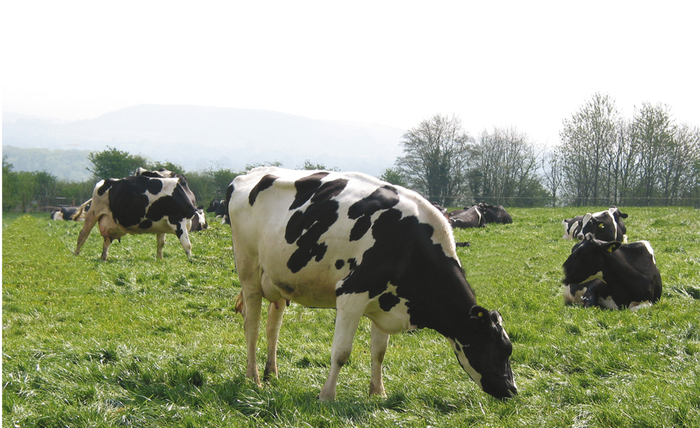
    Mid-season grass growth and summer temperatures may require fat supplementation for milk quality recovery

    Dairy farmers on milk quality contracts need to pay close attention to grass growth and heat stress conditions to mitigate mid and late grazing season butterfat depression, advises Wesley Habershon, grazing consultant and nutritionist for The Farm Consultancy Group.

    “A combination of weather-influenced grazing conditions and an increase in grass growth towards the end of June has resulted in milk butterfat taking as much as a 10 percent dip recently in many herds throughout the UK,” explains Mr Habershon. “As we get into the warmer months, feeding strategies for high temperatures also need to be taken into consideration.”

    While a surge in grass growth results in reduced fibre content of grass, weather leading up to it can decrease dry matter intake due to damp grazing conditions.

    According to Dr Richard Kirkland, Global technical manager for Volac Wilmar Feed Ingredients, young grass also has a high sugar content, making it rapidly fermentable in the rumen. This combined with the lower fibre levels can compromise rumen pH. Low-fibre pasture can pass through the digestive system much more quickly.

    “Acetate and butyrate from digestion of fibre in the rumen are the building blocks of milk fat. Without sufficient fibre, rumen pH will drop and can lead to milk fat depression,” explains Dr Kirkland.

    While high fibre ingredients such as straw are an effective buffer to slow down flow of feed through the digestive system, they also fill the rumen with low feed quality bulk that can compromise energy intake and milk protein. Digestible energy sources such as sugar beet pulp and soya hulls can be good choices in this situation.

    “High starch energy supplements like cereals will lead to accumulation of acid in the rumen during fermentation, further compromising rumen pH and putting the animal at risk of acidosis, although caustic or other alkali treatment will help,” says Mr Habershon. “Instead, choose a rumen-protected fat supplement that will improve rumen conditions while providing a dense energy source. If unprotected, fatty acids will physically coat fibre and reduce fibre digestion. The dense energy provided by fat supplements also make them ideal during periods of hot weather to protect rumen function as forage dry matter consumption declines.”

    It is now known that rumen-protected fat supplements with high levels of C16:0 fatty acids induce insulin resistance to increase partitioning of nutrients to milk. In return, milk and milk fat production will improve. When balanced with a source of rumen-protected C18:1 fatty acids, as with the calcium salt-type fat supplements, energy will also be directed to body condition while also helping improve egg and embryo development.

    “An optimum balance of C16:0 and C18:1 fatty acids will not only help lift butterfat content and yield, but it will also support reproductive function to help get cows back into calf,” adds Dr Kirkland.

    Preparing for late season grass changes

    As the grazing season progresses, dairy producers also need to be prepared for the impact a change in grass quality can have on butterfat percentages.

    “Throughout the end of July and into mid-August, the oil concentration in grass will begin to increase as it comes out of the reproductive (flowering) phase. The result will be a leafier, high oil grass that can trigger a similar rumen response as early-season grass,” concludes Dr Kirkland. “However, being prepared for this ahead of time by implementing an appropriate feeding strategy will help minimise any impact it has on milk quality.”


    Tweet
    Share
    Share
    Pin
    Share. Facebook Twitter LinkedIn Email
    Previous ArticleBeef Farmers Get Chance to Win a Heat Detection and Health-Monitoring System
    Next Article Farm medicine stewardship efforts join up across the uk
    John Swire

    Read Similar Stories

    June 2026 issue available now

    June 1, 2026

    May 2026 issue available now

    May 1, 2026

    First cut silage likely to face quality challenges

    April 8, 2026
    Most Read Stories

    RABI introduces FarmersAid critical care support app

    June 15, 2026

    Defra announces budget for environmental schemes, but industry says it may not be enough

    June 15, 2026

    UK Farm Agri highlights Taege air drill

    June 15, 2026
    Farm Contractor & Large Scale Farmer

    The UK's leading agricultural machinery journal

    Twitter LinkedIn
    © 2024 MA Agriculture Ltd, a Mark Allen Group company

    Privacy Policy | Cookies Policy | Terms & Conditions

    • Farmers Weekly
    • AA Farmer
    • Poultry News
    • Pig World

    Type above and press Enter to search. Press Esc to cancel.