


Farm Contractor & Large Scale Farmer
    Twitter LinkedIn
    • FREE Email Newsletters
    • About Us
    • Advertise
    • Subscribe
    • Contact Us
    Twitter LinkedIn
    Podcast
    Farm Contractor & Large Scale Farmer
    • News
      • Arable & Agronomy
      • Dealership News
      • Environmental Land Management Scheme/Policy
      • Event News
      • Health & Safety
      • Machinery
      • People
      • World News
    • Farm Machinery
      • Amenity & Maintenance
      • Cultivations
      • Drilling
      • Grassland Equipment
      • Harvesting
      • Muck & Slurry
      • Sprayers
      • Telehandlers
      • Tractors
      • Tractor of the Year
      • Tyres & Tracks
      • Whatever happened to?
    • Precision Farming
    • Markets & Policy
    • Profiles
      • National Arable and Grassland Awards
      • Company Profiles
      • Reader Profiles
    • Livestock
      • Beef
      • Dairy
      • Sheep
    • Magazines
      1. February 2026
      2. January 2026
      3. December 2025
      4. November 2025
      5. 2025 Agritechnica preview
      6. October 2025 issue
      7. September 2025 issue
      8. August 2025 issue
      9. 2025 Drills and Seeds supplement
      10. July 2025 issue
      11. June 2025 issue
      12. Cereals event guide 2025
      13. May 2025 issue
      14. April 2025 issue
      15. March 2025 issue
      16. 2025 Tyre Developments supplement
      17. February 2025 issue
      18. National Arable and Grassland Awards supplement
      19. January 2025 issue
      20. December 2024 issue
      21. November 2024 issue
      22. October 2024 issue
      23. September 2024 issue
      24. August 2024 Issue
      25. 2024 Drills and Seeds supplement
      26. July 2024 Issue
      27. Cereals Supplement
      28. June 2024 Issue
      29. May 2024 Issue
      30. April 2024 Issue
      31. Tyres and Tracks Supplement
      32. March 2024 Issue
      33. National Arable & Grassland Award – Meet the Finalists
      34. February 2024 Issue
      35. January 2024 Issue
      36. December 2023
      37. Agritechnica Preview Supplement
      38. November 2023
      39. October 2023
      Featured

      February 2026 issue available now

      By Matthew TiltFebruary 1, 2026
      Recent

      February 2026 issue available now

      February 1, 2026

      January 2026 issue available now

      January 5, 2026

      December 2025 issue available now

      December 1, 2025
    • Events
    • Podcast
    Farm Contractor & Large Scale Farmer
    Arable & Agronomy

    How growers can tackle post-heatwave dry soil and remnant stubbles

    Meghan TaylorBy Meghan TaylorJuly 26, 20222 Mins Read
    Facebook Twitter LinkedIn Email

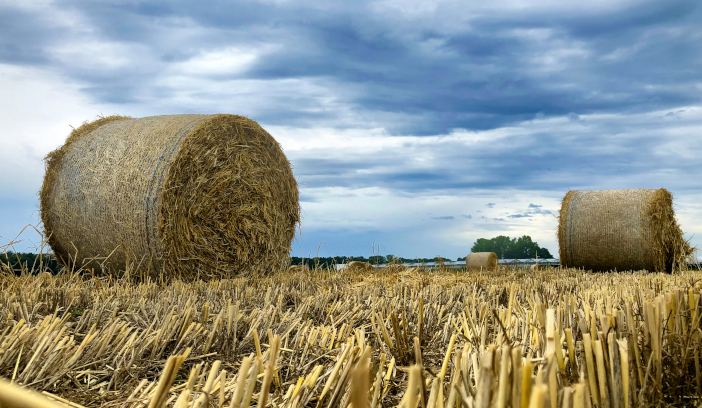
    The heatwave has likely left growers with stubbles in very dry soils, which will be hard to break down, says Timac Agro UK’s arable business director David Harrod.

    As such, farmers could be left with long-term soil health and quality impacts, especially if the heatwave’s effects are not managed appropriately before autumn drilling. However, with farmers moving toward minimum tillage techniques, ‘breaking down fibrous matter after harvest is becoming one of their biggest challenges.’

    David Harrod

    Furthermore, with the rising cost of nitrogen and changing regulations, conventional approaches to breaking down crop residues are unviable, adds Mr Harrod.

    “Traditionally, farmers will have been applying 30-35kg/ha of nitrogen, as either urea or ammonium nitrate, to stubbles. However, with nitrogen prices at £750/t or more, and only oilseed rape allowed to take autumn nitrogen, growers cannot afford to do this.”

    Soil conditioners

    Therefore, Mr Harrod is recommending that growers use a soil conditioning product designed to help break down crop residues.

    “A product like Humistart+, from Timac Agro, contains humic- and fulvic-acids, calcium and seaweed extracts, which start to break down organic matter right away – without any need for additional nitrogen.”

    Such products also have the added benefits of unlocking nutrition, improving soil structure for following crops, and being more environmentally friendly than nitrogen applications.

    “These soil conditions promote microbial activity, the bugs and microbes in the soil, as well as worms, so there’s more aeration in the soil when you use these products,” says Mr Harrod.

    “They also help to release the natural mineral nitrogen that’s already present in the soil, making it available for the following crop, while helping to stimulate early root growth once the following crop has been drilled.”

    “I’m certain the use of soil conditioners will become much more common as the industry widely adopts min-til practices,” he concludes.

    Tweet
    Share
    Share
    Pin
    Share. Facebook Twitter LinkedIn Email
    Previous ArticleTallis Amos Group expands into Shropshire
    Next Article Kverneland’s plough solution to easier ‘Green Deal’ compliancy
    Meghan Taylor

    Journalist. Graduated from the University of Sussex with a degree in English and Art History. When not working I can be found riding my horses on the Ashdown Forest, reading, shopping, or cooking!

    Read Similar Stories

    McArthur BDC heads up consortium on to cut methane and soya in the dairy industry

    February 5, 2026

    New nutrient planning tool made available to growers

    February 4, 2026

    New survey suggests widespread wheat dwarf virus

    February 4, 2026
    Most Read Stories

    Handling industry figurehead passes away

    February 6, 2026

    Tractor registrations up at the start of 2026

    February 6, 2026

    Cheffins to host major Northern Ireland vintage sale

    February 5, 2026
    Farm Contractor & Large Scale Farmer

    The UK's leading agricultural machinery journal

    Twitter LinkedIn
    © 2024 MA Agriculture Ltd, a Mark Allen Group company

    Privacy Policy | Cookies Policy | Terms & Conditions

    • Farmers Weekly
    • AA Farmer
    • Poultry News
    • Pig World

    Type above and press Enter to search. Press Esc to cancel.