


ProCam is urging growers to think about their weed control programmes, especially as recent springs have seen weather conditions become dry.
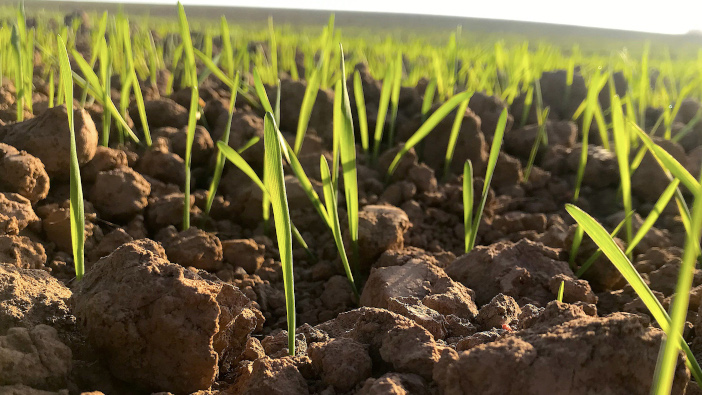
Head of crop production, Mike Thornton, explains that there can be as few as 110 days between spring barley drilling and harvesting, meaning that it is important to ensure that crops are not held back by weeds.
“The majority of spring barley will hopefully go into a stale seedbed which is devoid of any active grass or broad-leaved weeds,” Mike describes.
“However, whilst that’s the ideal scenario, it won’t be representative of all situations. Therefore, where blackgrass or annual meadow grass are problematic, a pre-emergence application of a multi-active product such as Tower (chlorotoluron, diflufenican and pendimethalin) will be essential as there are limited post-emergence options to control these difficult weeds.”
He recommends that post-emergence treatments be applied sooner rather than later, with trials showing that applications between GS13 (three leaves unfolded on the main shoot) and GS24 (main shoot and three tillers) will provide the best level of weed control.
“ProCam’s independent trials have shown that treatments made at GS13 can deliver an average yield increase of 2% compared to applications which are delayed until GS24 or later. It therefore pays to protect crops earlier, but it’s also important to remember that different weed species will be more or less competitive depending on their growth habit and germination timing.
“For example, weeds which grow from depth will be less effectively controlled by residual herbicides, making the need for early post-emergence treatments even more important. Meanwhile, any weeds which germinate after the crop has gone beyond GS24 will generally be over-shadowed and smothered by the developing crop.”
He adds that the weather will impact the efficacy of herbicide programmes, with dry conditions causing weeds to develop a wax layer and keeping stomata closed longer, both of which limit chemical uptake.
“The dry conditions also reduced metabolism rates which slowed the translocation of herbicides within weeds,” he adds. “That’s another reason to control weeds while they are small. Herbicides should also be applied first thing in the morning when stomata are more likely to be open and don’t be tempted to reduce application rates. An adjuvant oil should also be used to help the herbicide penetrate target weeds.”