


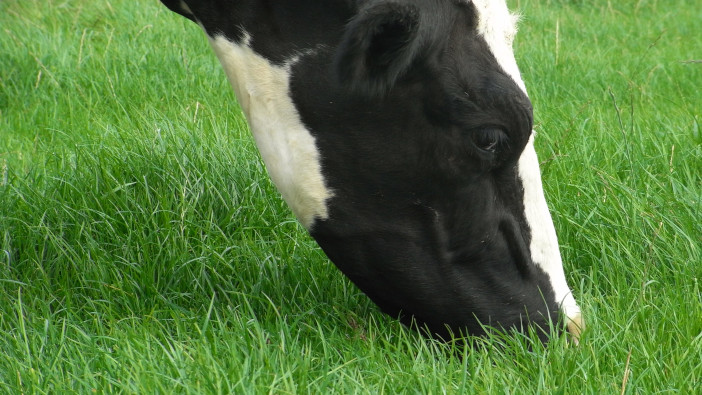
Massey Harpers Feeds is stating that autumn reseeding could help growers tackle forage shortages, as many start feeding stocks early this year.
“Autumn reseeding allows plants to establish their root systems before winter, leading to vigorous growth in the spring, therefore enhancing productivity,” says Imogen Ward.
“Reseeding with newer, more efficient varieties can dramatically improve yield, energy content, and nitrogen-use efficiency. This offers a much-needed solution to potential forage shortages next Spring.”
She adds that a newly reseeded sward can yield up to 15.5t DM/ha, whereas older leys may contain a larger proportion of unproductive species, as well as broad-leaved weeds.
Assuming only 50% sown species, this equates to a yield of around 7t DM/ha. This is a significant difference.”
Each additional tonne of dry matter produced can generate around 11,000MJ of energy, translating into 2,000 litres of milk or 234kg of lamb or beef.
“You also have the added advantage of ryegrass swards being far more efficient at utilising nitrogen; up to 100%, compared to just 17% efficiency in annual meadowgrasses. This offers an additional saving.”
Imogen advises choosing your varieties wisely. “Weather patterns have changed so look at mixtures that maintain high yields during drought prone years. Deep rooted Festuloium and Hybrid species also offer great stress tolerance and optimise nutrients. They can also be mixed with Perennial grasses to add persistency and density for all round performance. And to maximise the benefits of the reseeding investment, ensure soil is in good health as this will also help during drought periods.
“Dairy production requires efficiencies on every level, and feed costs are a significant factor. Effective grass production is an essential component in achieving these efficiencies in the UK so maximising the return should always be reviewed and reseeding needs to be part of that assessment,” she concludes.